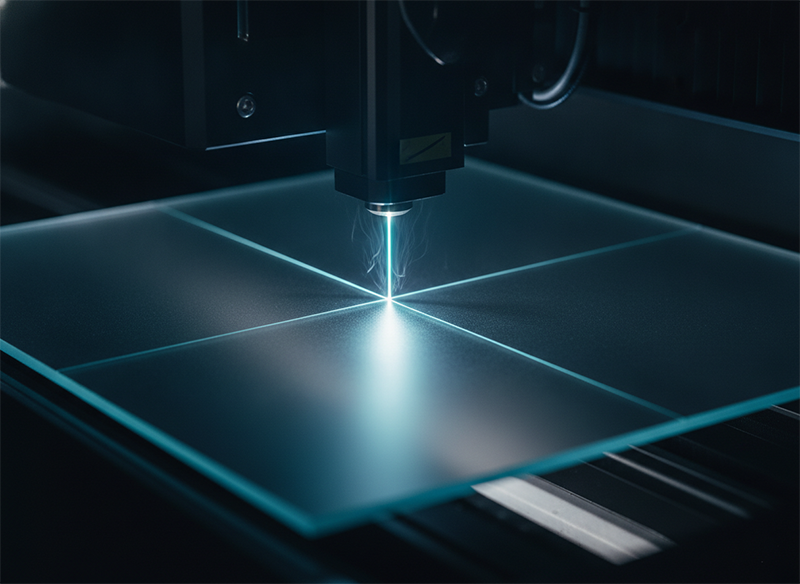
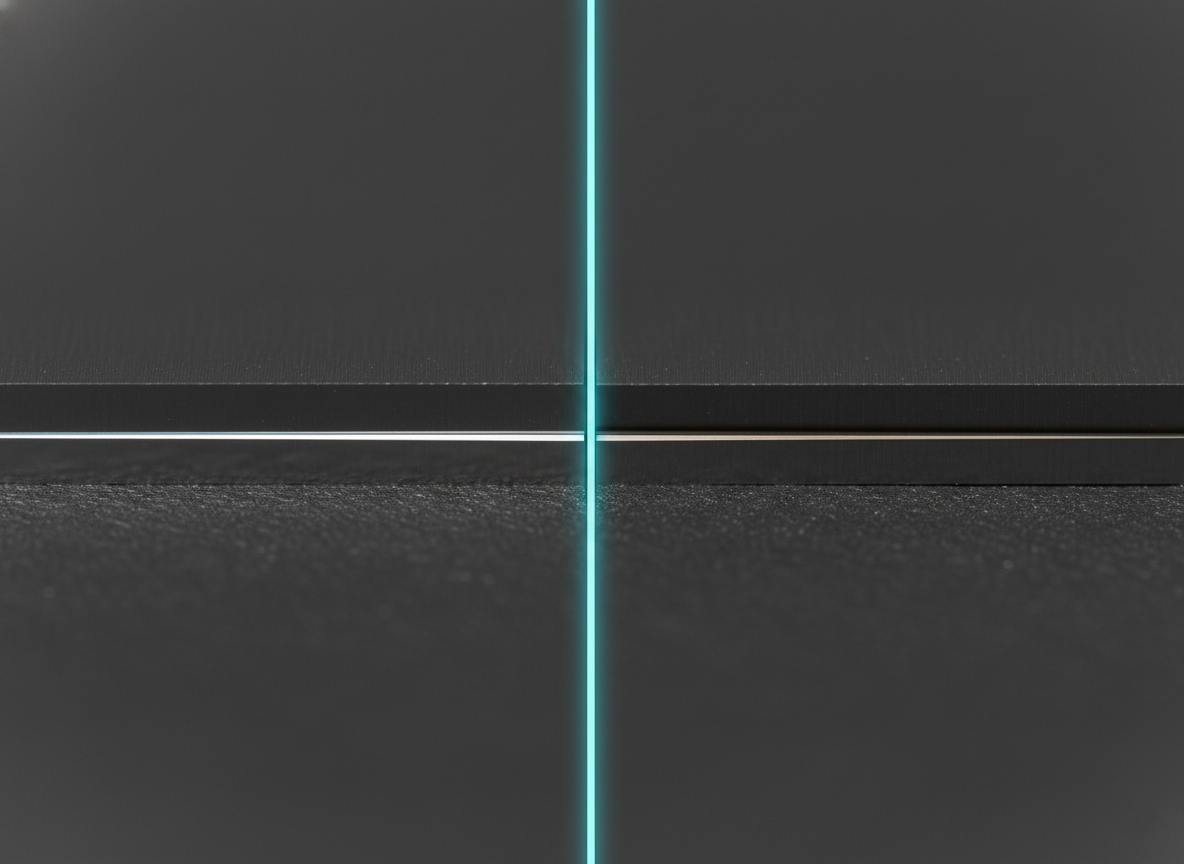
Cutting clear glass cleanly is a solved problem for most shops. Frosted and etched glass breaks that confidence — the same process that runs all day on clear stock starts…
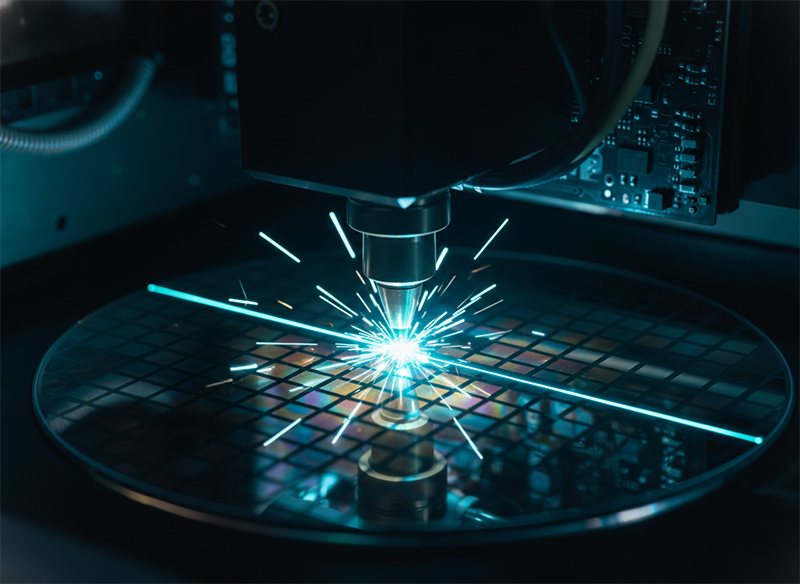
For decades, separating dies from a wafer meant one thing: a spinning diamond blade. It still works for plenty of wafers. The reason ultrafast lasers keep taking over the hard…
The phrase “near-zero heat-affected zone” gets printed on every ultrafast laser datasheet, which makes it easy to read as a guarantee that comes with the box. It isn’t. It is…
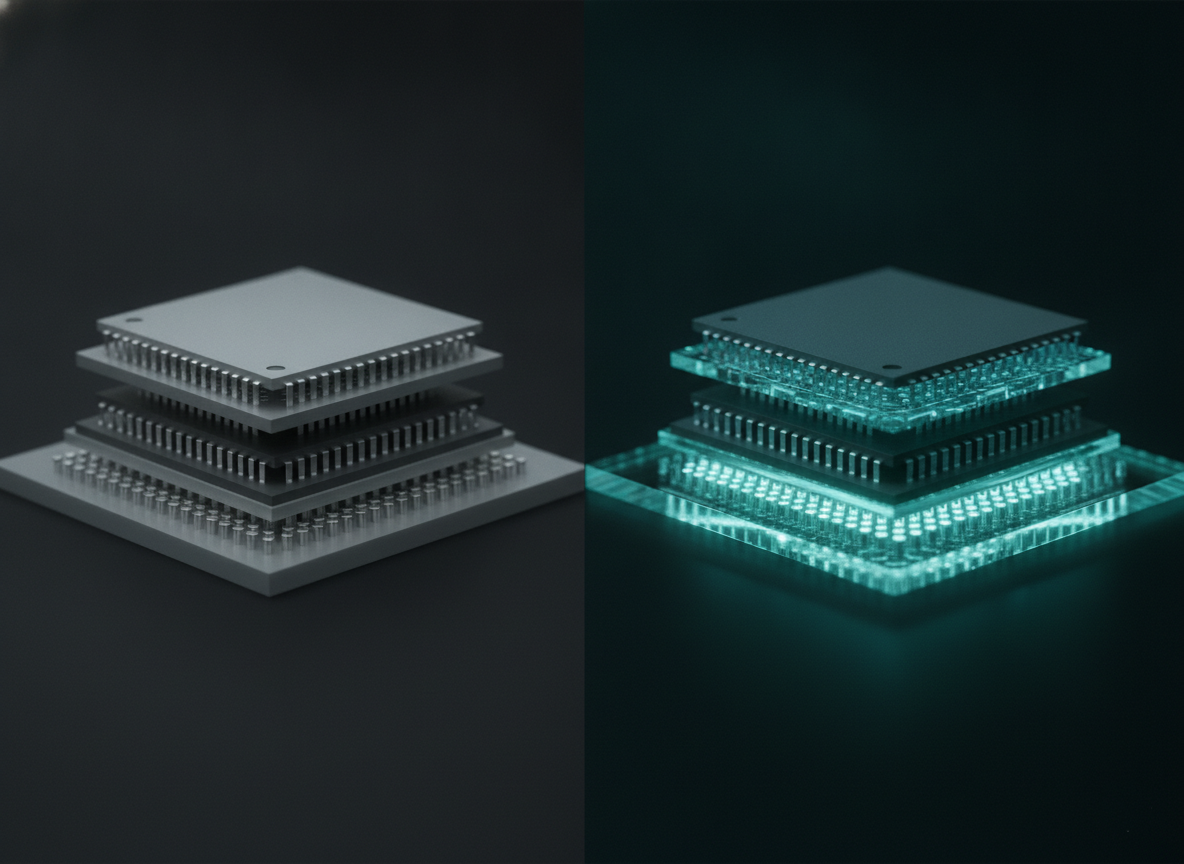
For a decade, the through-silicon via was the obvious answer for 2.5D and 3D integration. The interesting part of the current shift is not that glass appeared — it is…
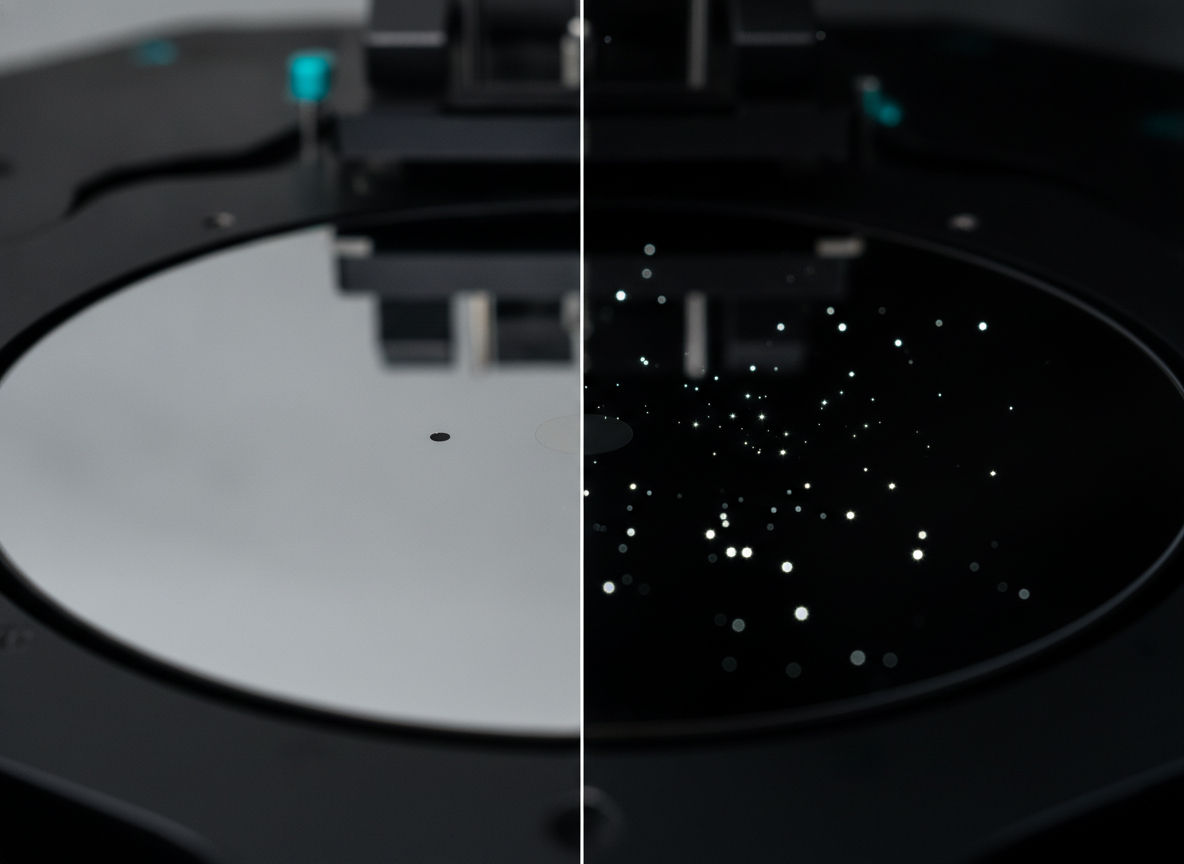
Most teams frame this as a ranking question — which mode is more sensitive, which one to standardize on. That framing is where inspection coverage quietly springs a leak. Bright-field…
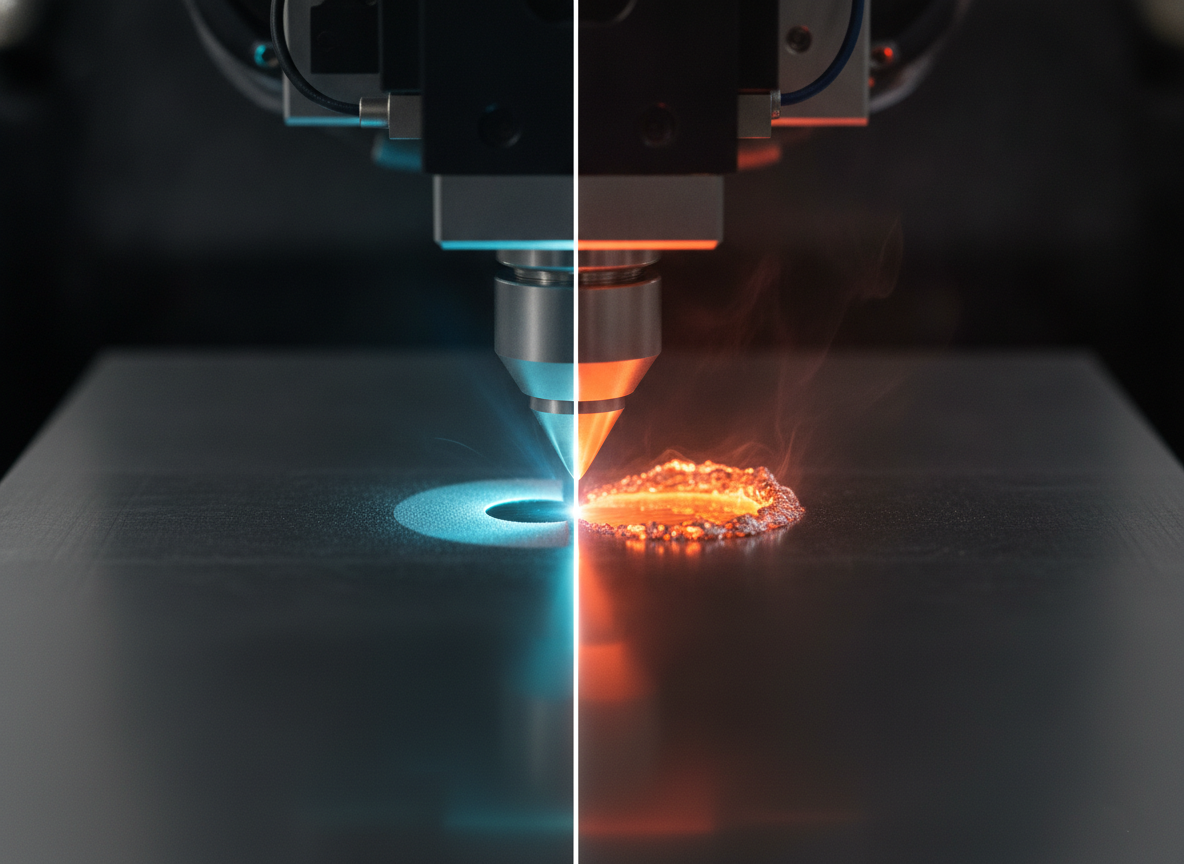
The picosecond vs nanosecond laser debate usually gets framed as a quality tier — shorter pulse, better result, end of discussion. That framing sells a lot of picosecond sources for…
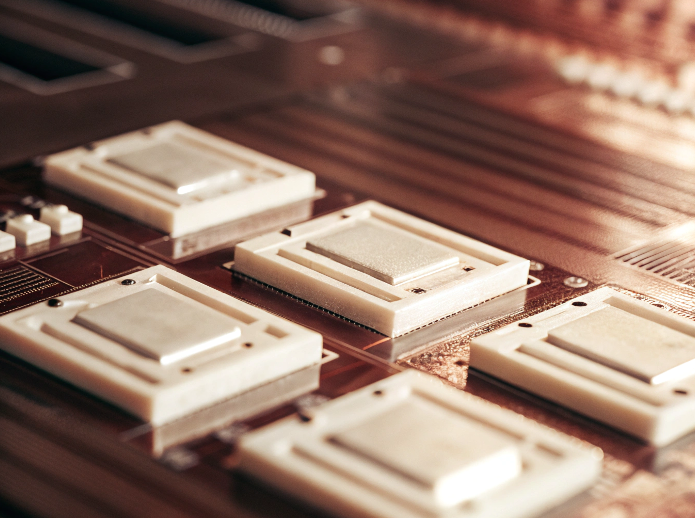
Ask how alumina ceramic laser cutting reaches ±1µm, and most engineers reach for the obvious answer: tighter focus and more power. Both feel right. Both miss what actually sets the…
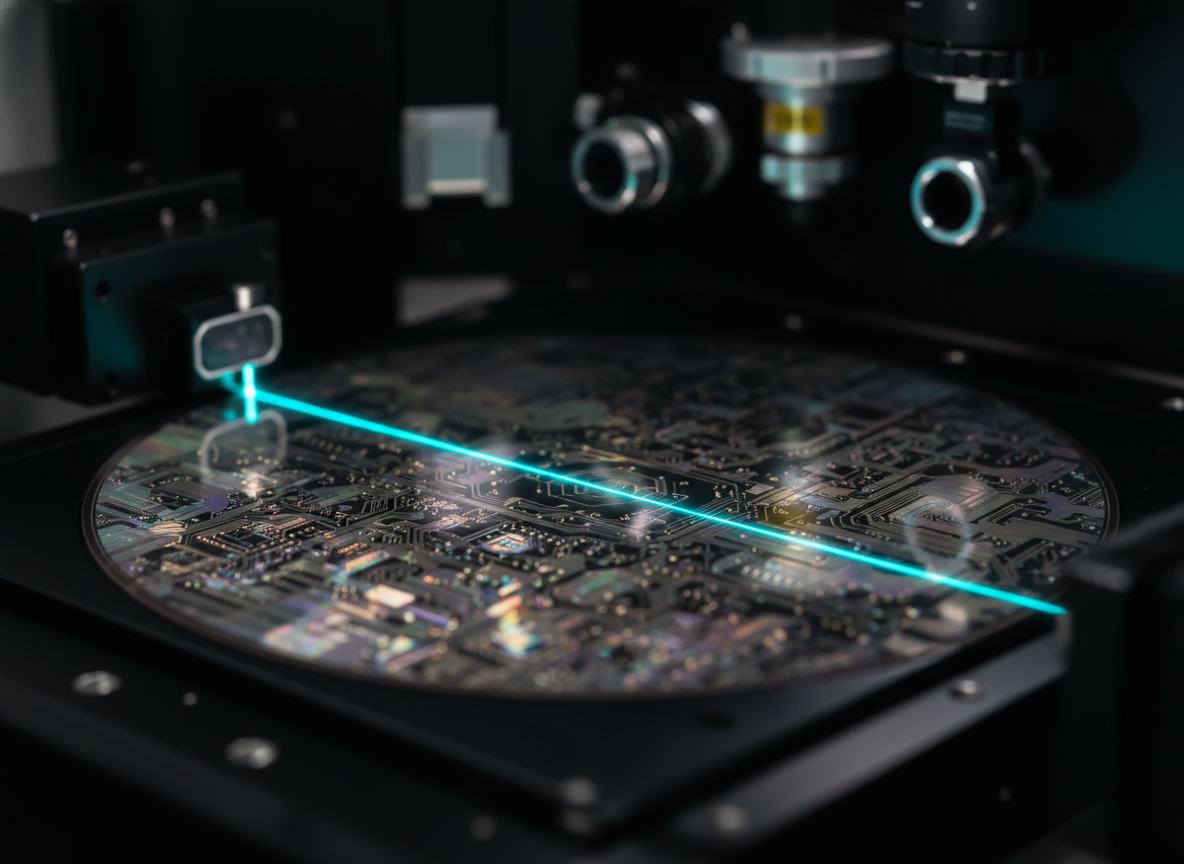
Most teams I work with open the light-source decision by asking how much power they can get. It’s the wrong first question. In wafer defect inspection, the brightest source is…
Most engineers I talk to arrive at the femtosecond versus picosecond laser decision already leaning one way. Femtosecond feels like the safer bet: shorter pulse, smaller heat-affected zone, the premium…
With the rise of chip interconnection, the circuit structure has become more complex, and the threat of hidden defects to the good rate has increased significantly. How to detect short…