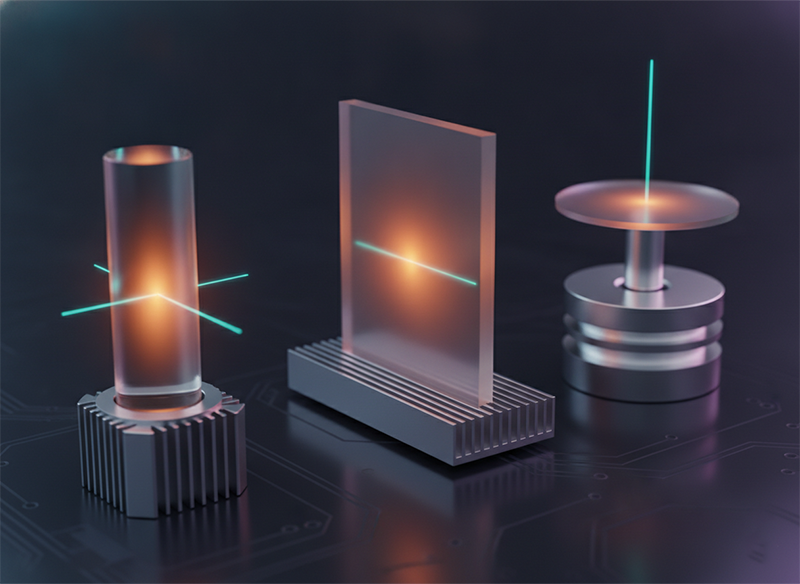
Faced with three amplifier architectures — rod, slab, and disk — most engineers treat them as three separate technologies to study one by one. They are easier to understand than…
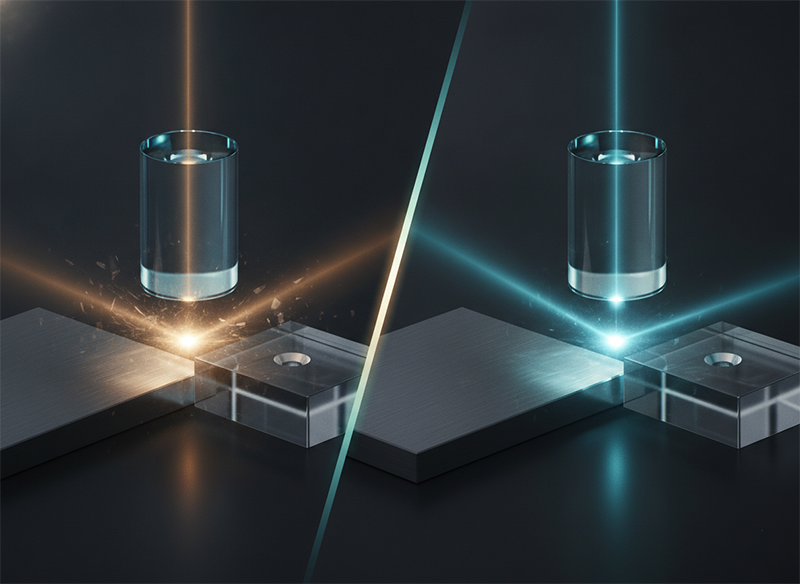
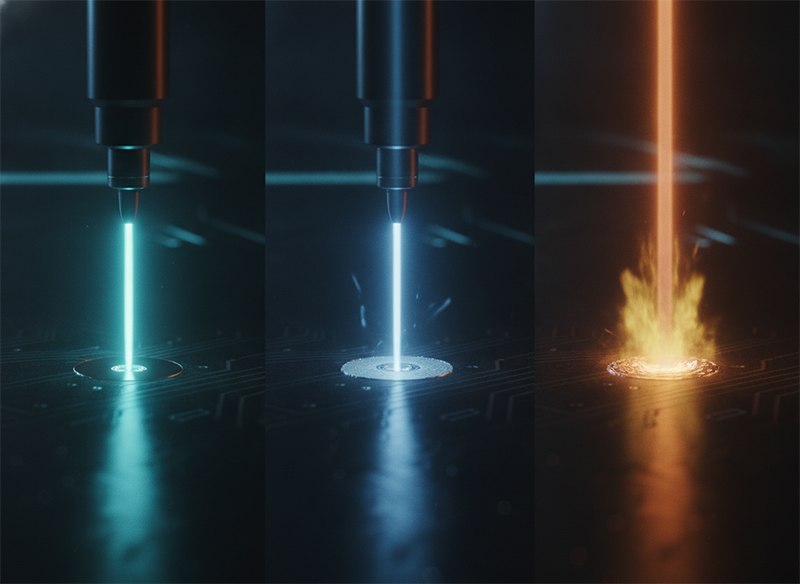
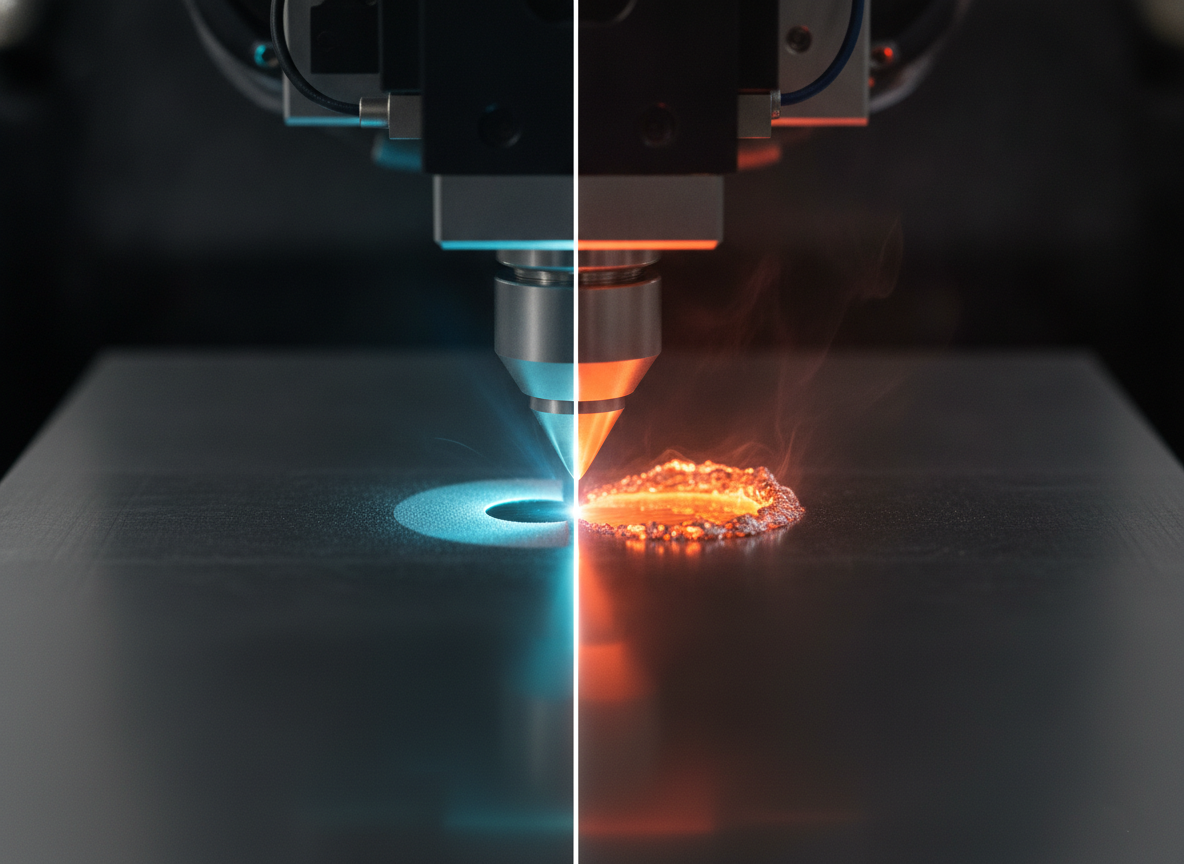
“Cold laser processing” is one of the most useful terms in ultrafast machining and one of the most misleading. The name suggests a gentle, low-energy beam, which is the opposite…
With the advancement of laser technology, the industry’s requirements for the reliability of solid-state lasers have become increasingly stringent. The optical structure is the foundation for stable operation, and the electro-control…
Two ultrafast lasers can both say “300W” on the front of the datasheet and behave like different machines. The number is easy to compare. What it costs to reach that…
When engineers compare lasers, they reach first for wavelength and power — the two numbers printed largest on every datasheet. For materials processing, that habit skips the variable that often…
The phrase “near-zero heat-affected zone” gets printed on every ultrafast laser datasheet, which makes it easy to read as a guarantee that comes with the box. It isn’t. It is…
The picosecond vs nanosecond laser debate usually gets framed as a quality tier — shorter pulse, better result, end of discussion. That framing sells a lot of picosecond sources for…
With the rise of chip interconnection, the circuit structure has become more complex, and the threat of hidden defects to the good rate has increased significantly. How to detect short…
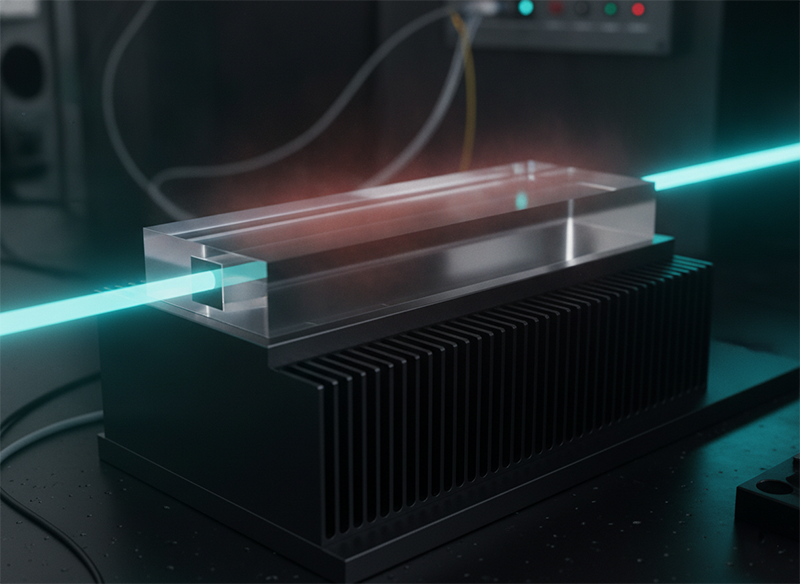
The cavity stability of solid lasers is one of the key indicators of their performance, directly affecting the quality, power stability and application reliability of the output beam. The stability…