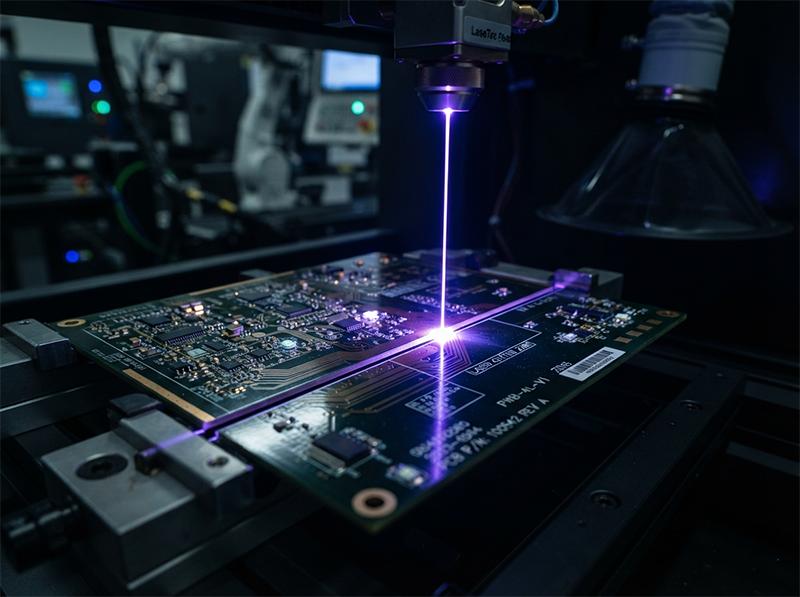
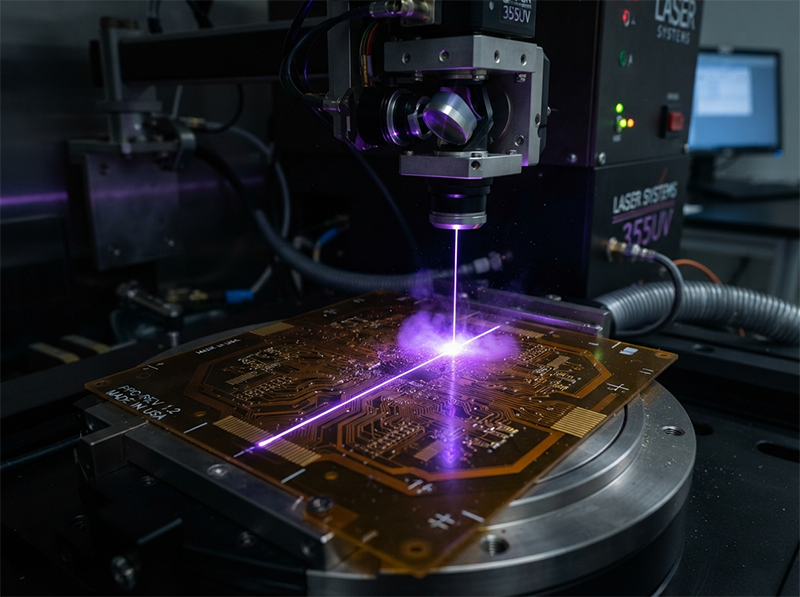
When micro-delamination appears on the cut edge of a flex PCB, the immediate instinct of any process engineer is to dial down the pulse energy. The prevailing assumption is that…
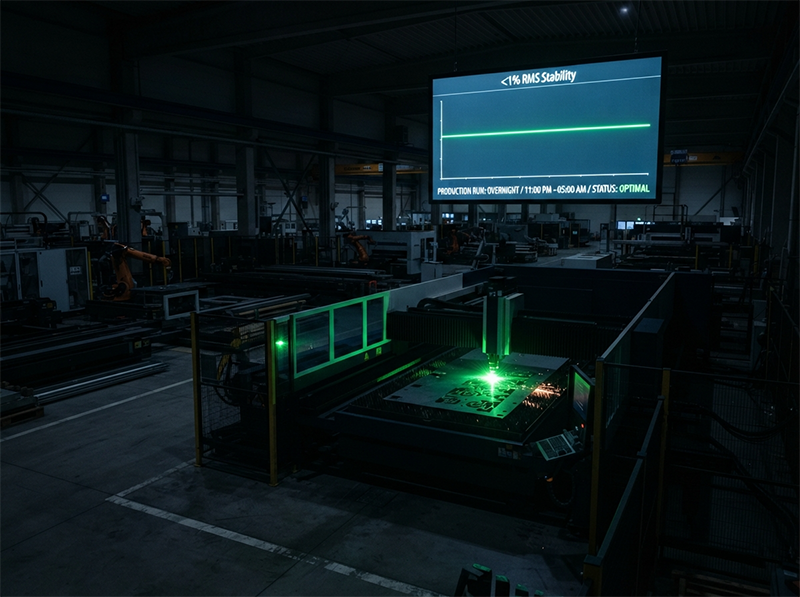
The night shift is where laser lines go to die. During the day, engineers monitor the process, tweak parameters, and keep the yield numbers looking acceptable. But at 2:00 AM,…
In the industrial application field of picosecond lasers, the infrared band, owing to its wideadaptability, has alreacdy been successfully scaled and validated in intelligent manufacturing scenarios.In application scenarios such as…
The pressure on consumer electronics production lines is relentless. When a major brand demands a 3x increase in cover glass output for their next flagship phone, the first instinct is…
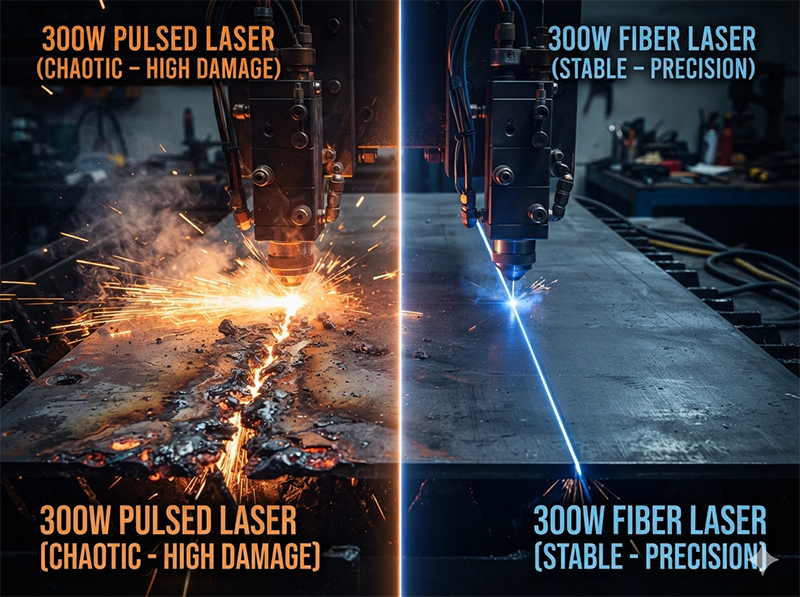
The mandate from management was simple: triple the throughput of the micro-machining line. The engineering path seemed just as clear: upgrade the ultrafast laser source from 100W to 300W. The…
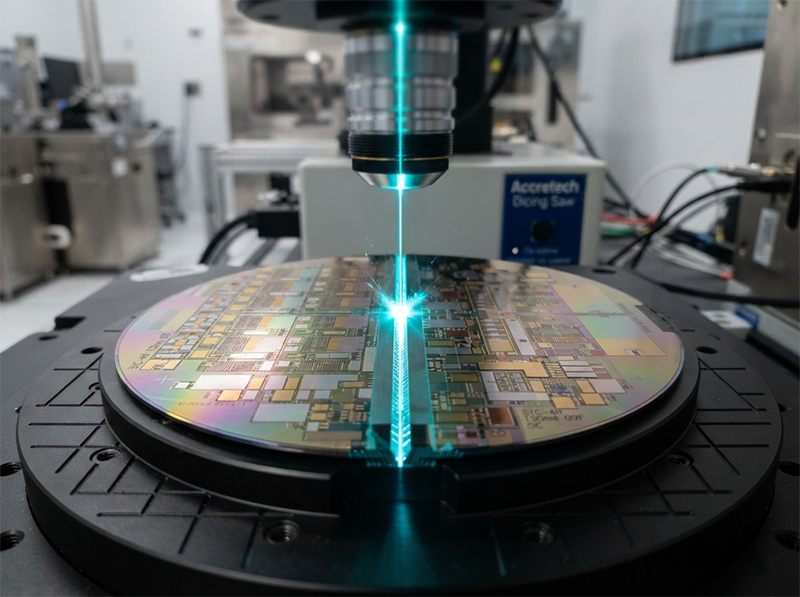
The semiconductor industry operates on a rigid assumption: if you want to cut hard, brittle materials like silicon carbide (SiC) and gallium nitride (GaN) without shattering them, you must use…
There is a persistent myth in display manufacturing: only femtosecond lasers can prevent multilayer optical films from melting during cutting. When engineers attempt to cut polarizer and optical films, they…
In the world of advanced manufacturing, the pursuit of perfection can be a fatal distraction. We’ve seen teams spend months developing a process that produces a single, flawless part, only…
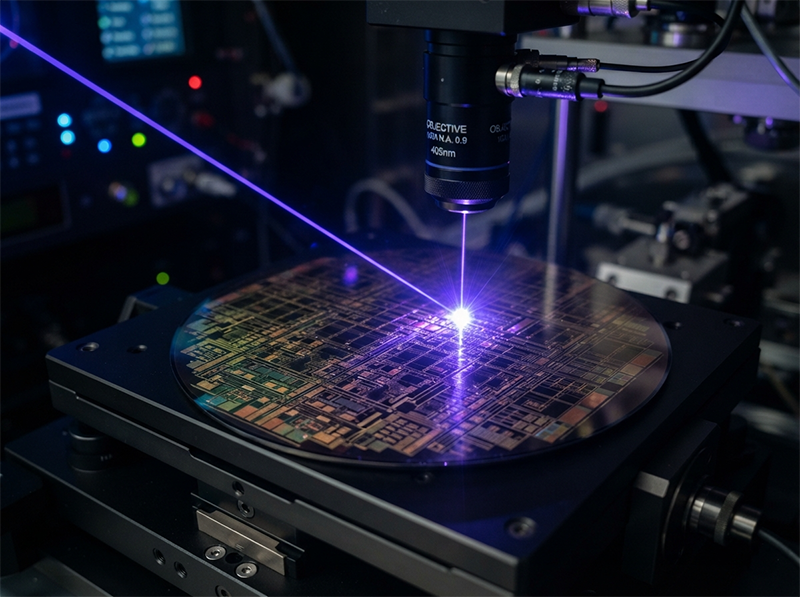
We’ve all heard the story. A new multi-billion dollar fab is ramping up, with two production lines—one in Arizona, one in Taiwan—using supposedly identical, top-of-the-line metrology tools. Yet, they can’t…
Every process engineer knows the feeling. The line is running at 95% yield, hitting all its targets. Then a new batch of coverlay film arrives, or the ambient humidity shifts…