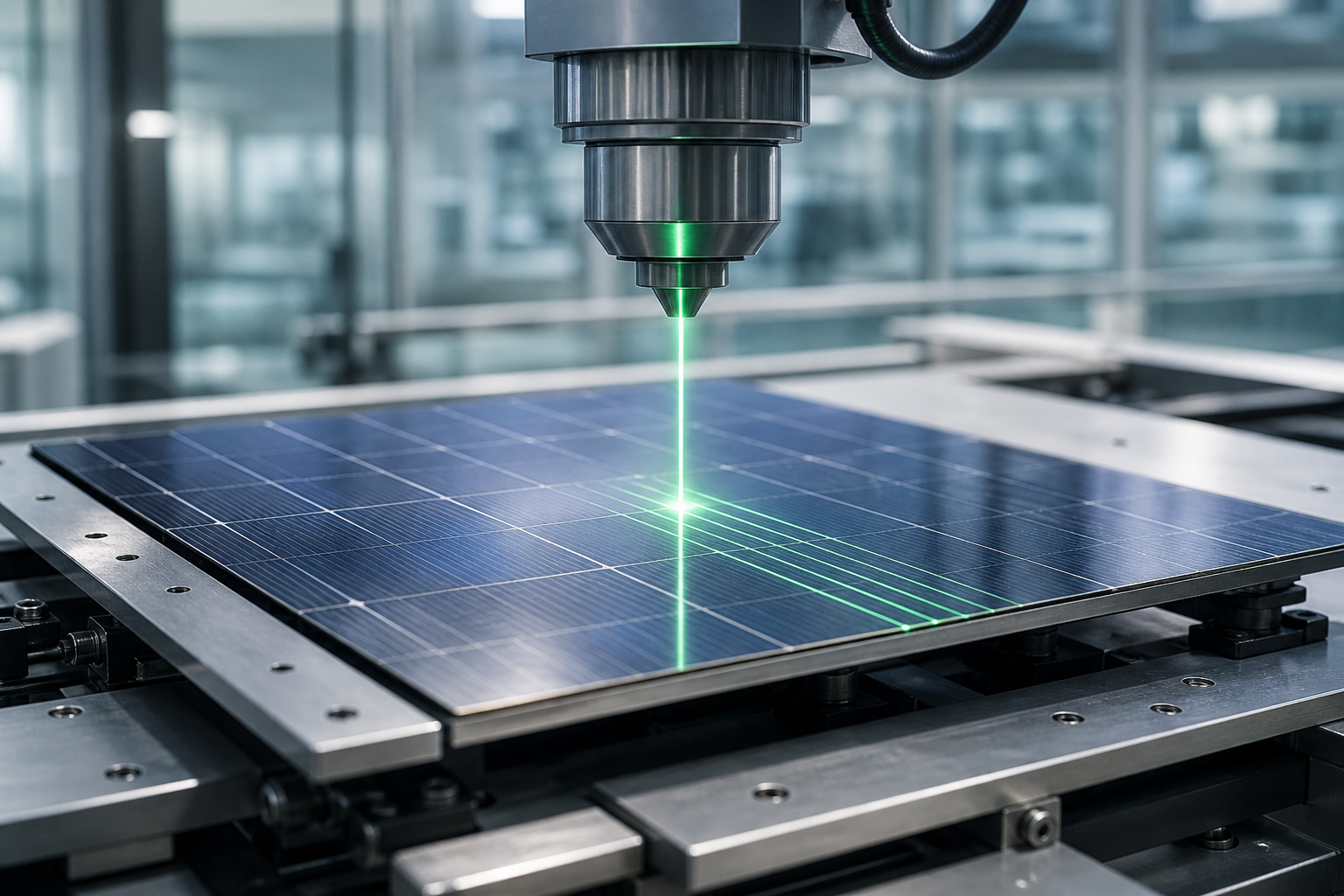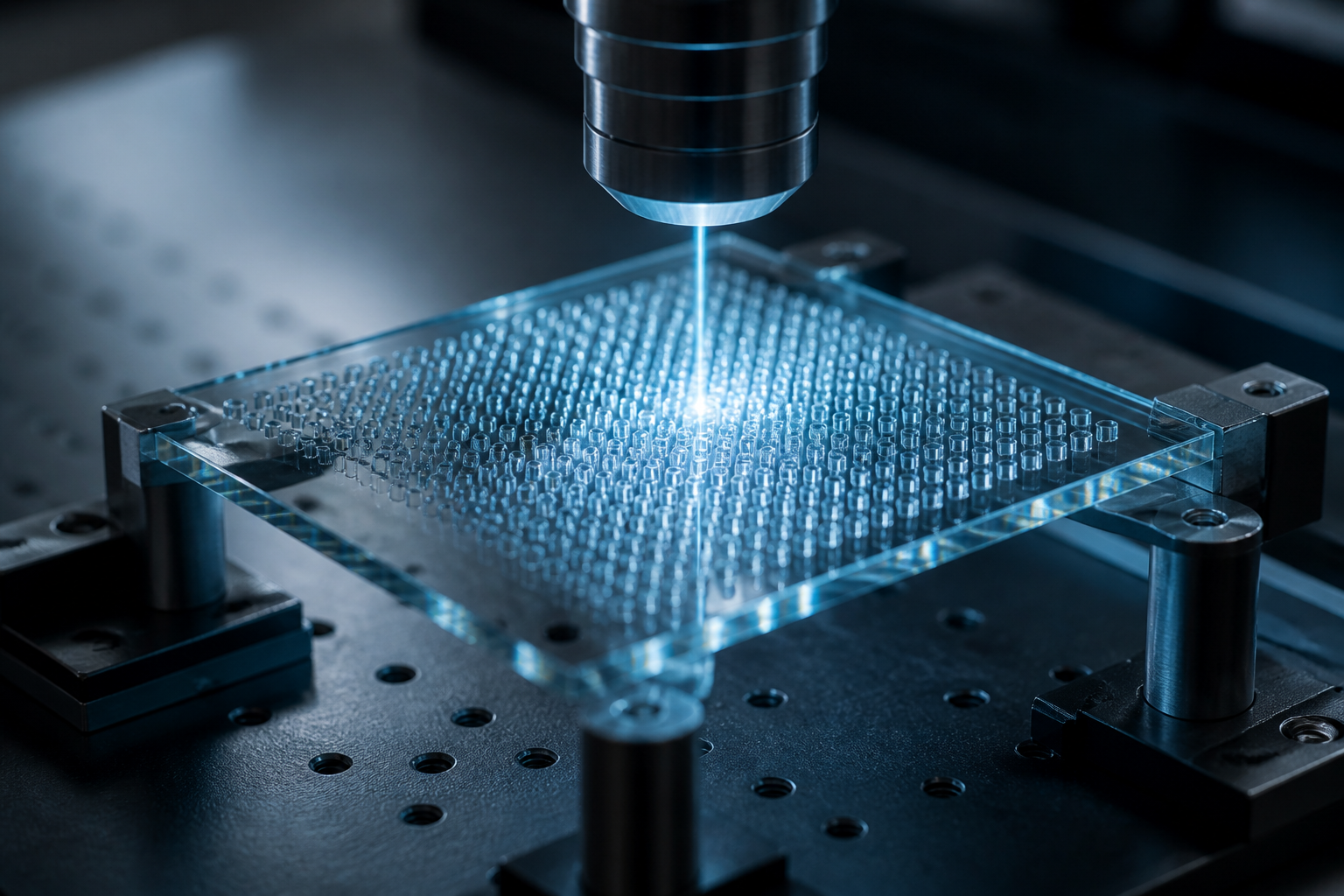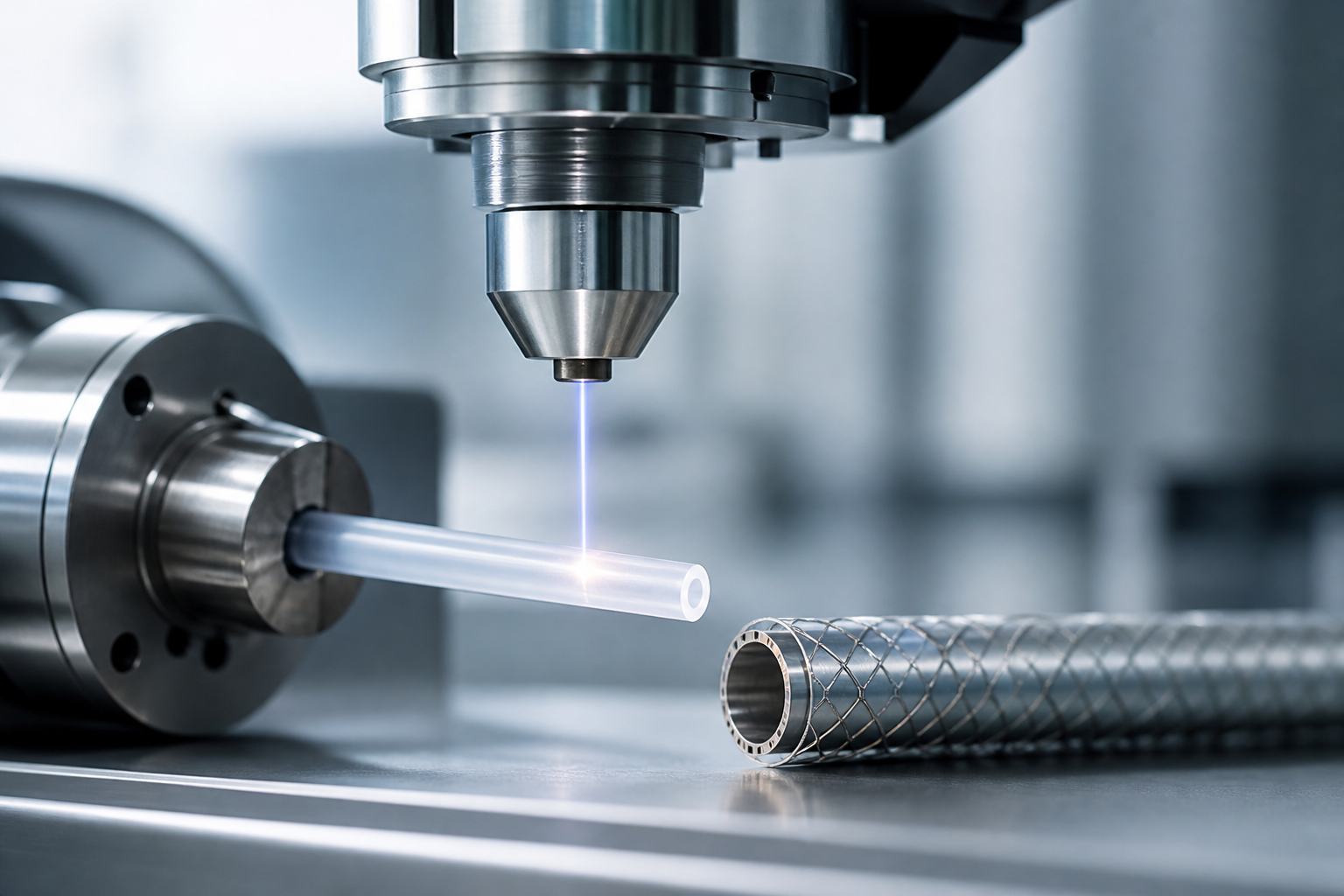
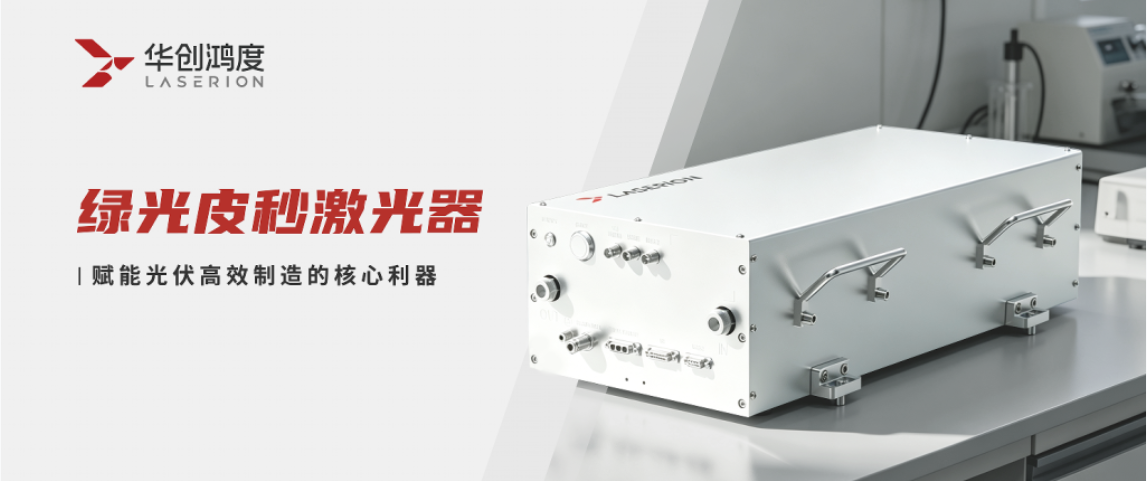
In the industrial application field of picosecond lasers, the infrared band, owing to its wideadaptability, has alreacdy been successfully scaled and validated in intelligent manufacturing scenarios.In application scenarios such as photovoltaic cell characterization and film processing,the 532nm green picosecond laser is due to its small heat affected zone. The comprehensive advantages of high processing accuracy and excellent absorption rate of non-metallic materialshave broken the inherent contradiction between accuracy of traditional processes and thermaldamage, and are becoming a key technological means for upgrading photovoltaic manufacturing to the micro-scale. The following will elaborate ssystematically from three dimensions: technical characteristics, product performance, and typical applications.
The core advantage of green picosecond laser stems from its 532 nm visible green light wavelength. Compared to 1064 nm infrared light, green light has a shorter wavelength and higher photon energy, making it easily absorbed by materials such as copper, silicon, and molybdenum; its absorption rate is several times greater than that of infrared light. This means that when processing highly reflective metal electrodes (such as copper) or semiconductor silicon-based materials, green light can significantly reduce reflection losses, achieve efficient energy coupling, and thereby improve processing accuracy and efficiency from the source.
Meanwhile, the picosecond-level ultra-short pulse width (1 ps = 10⁻¹²s) makes the heat diffusion time far shorter than the thermal conduction time , resulting in an extremely small heat-affected zone, which fundamentally ensures the cleanliness and integrity of the processed edge. The golden combination of “gold wavelength” and “ultra-short pulse width” grants green picosecond lasers unparalleled process advantages in high precision, low damage, and efficient mass production.
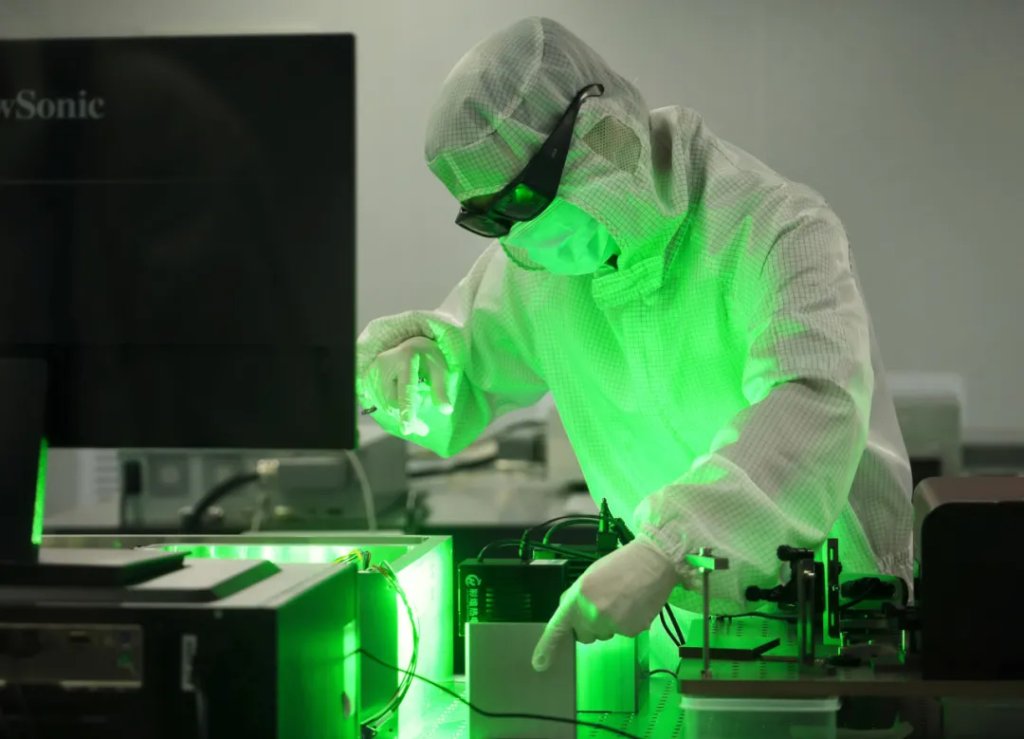
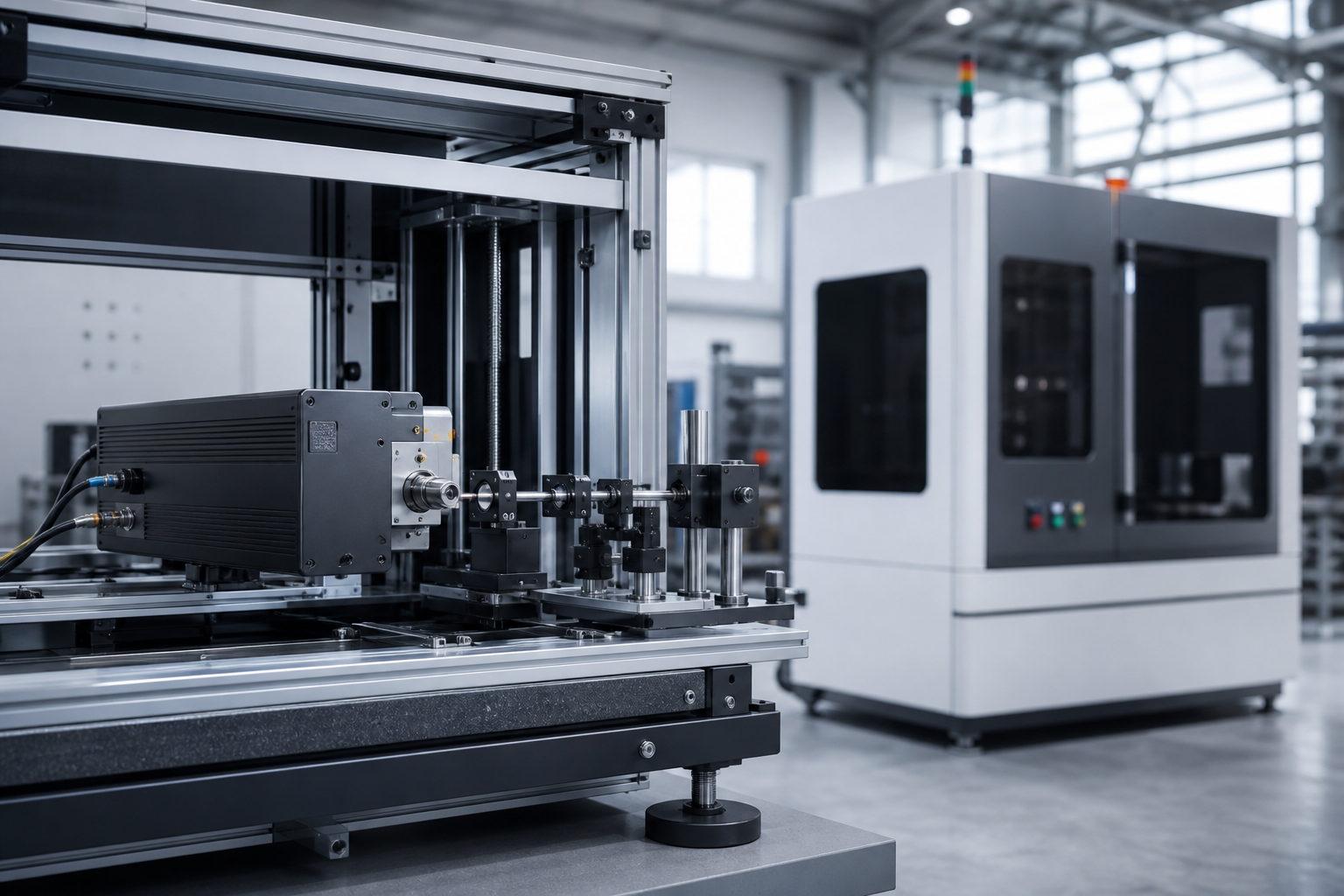
△ Ultrafast Solid Laser Processing Site
The theoretical wavelength advantage ultimately needs to translate into industrial productivity, and the performance parameters and reliability of the laser itself are the core foundations. The Huachuang Hongdu GR Picosecond Series Laser, with its 532 nm wavelength combined with picosecond pulse width, transforms the technical characteristics of the band into tangible processing value, setting a new industry benchmark for high-precision, low thermal damage processing.
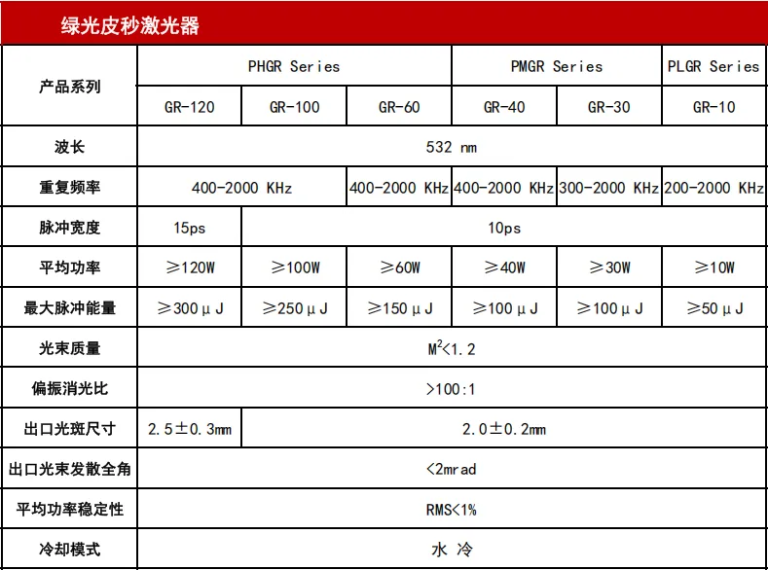
△ General Technical Parameters of Huachuang Hongdu Green Picosecond Lasers (Can be Customized on Demand)
① Covers a multi-power range and effectively improves the production cadence
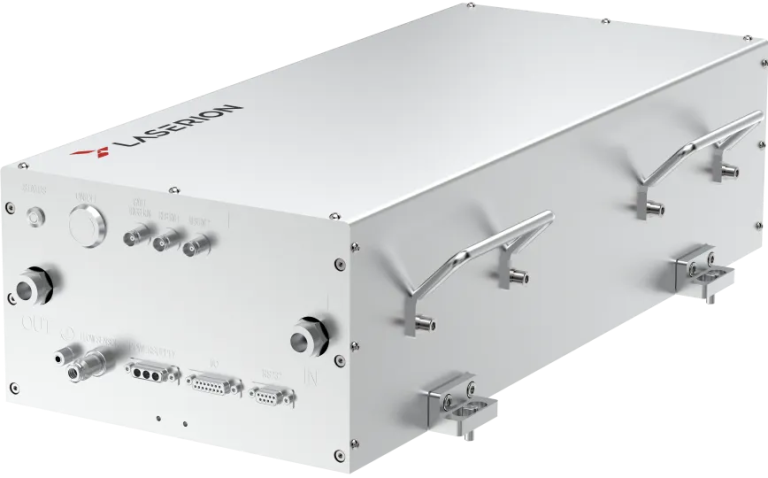
△ Huachuang Hongdu Green Picosecond Laser
Relying on our proprietary strip-type integrated amplification technology, we have successfully developed a complete gradient green picosecond power matrix, with a maximum output power of 120W. The high-power laser output can significantly enhance the processing efficiency per unit of time, substantially speeding up the production cycle on the assembly line , and can easily accommodate large-scale, high-volume mass production demands in various advanced manufacturing scenarios.
② The pointing stability is strong and the process consistency is ensured
Pointing stability is a key indicator of a laser’s ability to maintain beam direction over long durations and under varying temperature conditions. The Huachuang Hongdu GR Picosecond series, through precise mechanical design and optimized thermal management, achieves beam pointing stability of less than 50 μrad . This means it performs exceptionally well in applications requiring high consistency across large areas, such as scanning etching of large-format photovoltaic cells and multi-track parallel line drawing. In the meter-level processing stroke, the position deviation caused by angular drift is negligible, ensuring the height consistency of the pattern position across the entire battery cell sheet.
③ High-quality beam quality, suitable for complex and precision processes
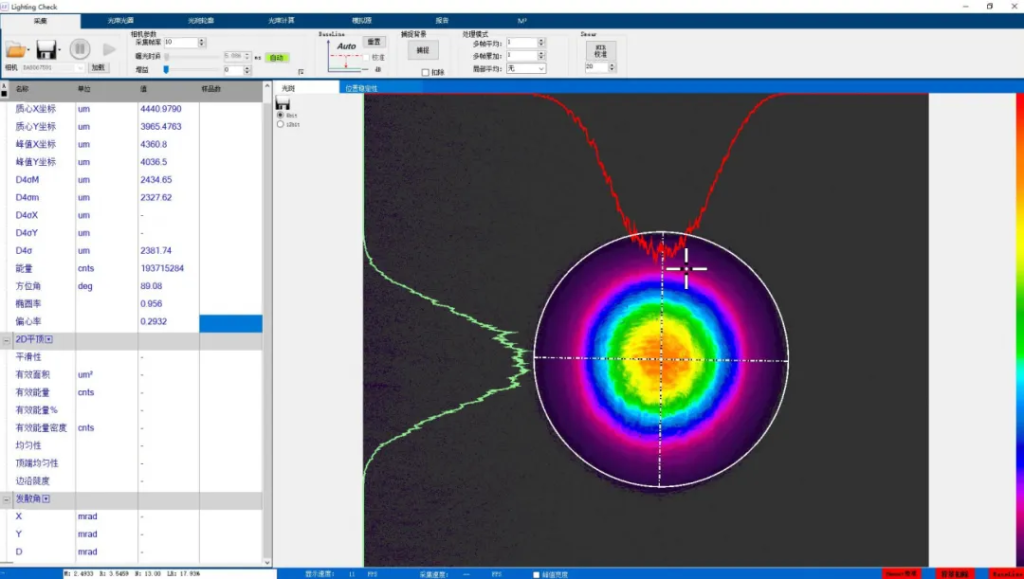
△ 120W GR Picosecond High Power Typical Spot
This series of lasers boasts excellent beam quality, with an M²< 1.2 ,Simultaneously possessing excellent spot uniformity , the laser energy is highly concentrated, enabling stable ultra-fine machining at the micrometer level. The equipment can meet the high-precision requirements of DOE beam shaping and other advanced processes, efficiently complete large-area graphic processing tasks, and adapt to various complex and precise machining scenarios.
④ Industrial-grade high reliability, full-dimensional adaptation line integration
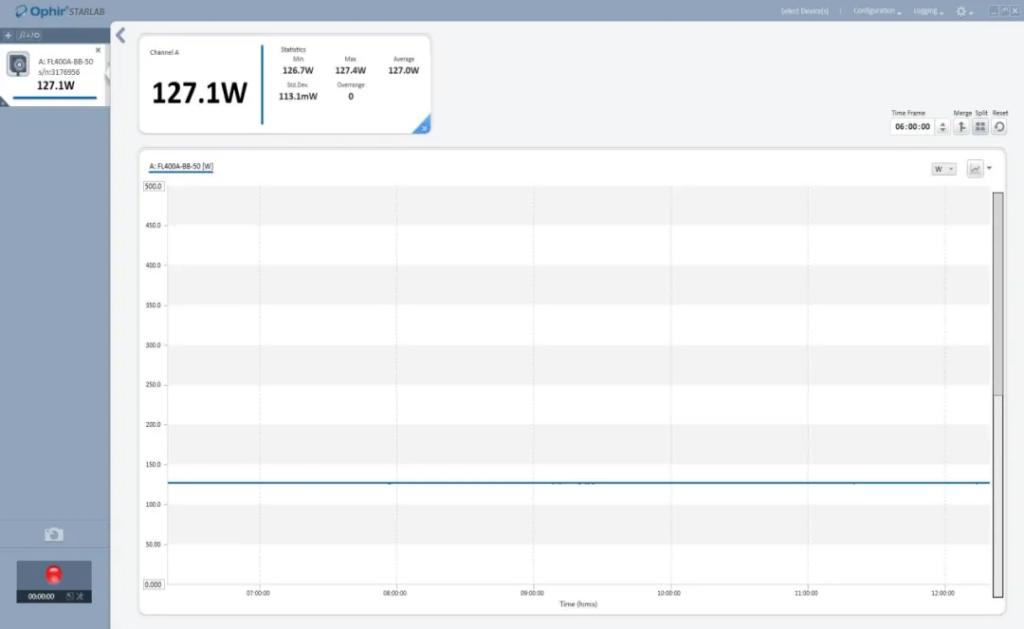
△ GR Picosecond High Power RMS Power Stability Test Results
Adopting integrated overall machine design , it is compatible with rapid integration across various industrial production lines and can operate stably and continuously in complex and harsh production environments. Equipped with advanced laser crystals and cavity heat dissipation solutions , ensuring continuous operation stability. Modular structure design It is stable, reliable, and easy to maintain, reducing fault repair time; Supports programmable Burst Mode functionality, allowing users to customize the number of pulses, intervals, and energy distribution within a pulse train , enabling precise control over material energy deposition processes and offering strong process adaptability.
Application 1: BC battery high precision slotting
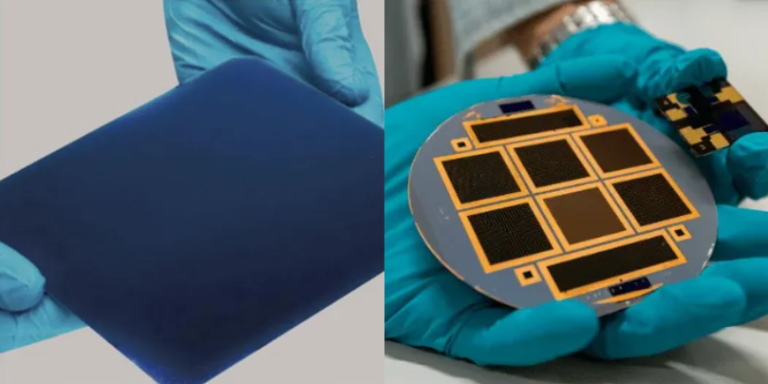
△ High Precision Slotting of BC Battery
Laser grooving is the core and critical process in battery production, where processing precision and process stability directly determine the photoelectric conversion performance of the battery. Adopting the Huachuang Hongdu GR picosecond laser for slotting processing, which combines high precision, zero thermal damage, high efficiency, and low cost core advantages, can stably complete large-area, standardized graphical slotting, perfectly meeting the mass production needs of BC cells.
Application 2: Precision Lineing of Perovskite Batteries
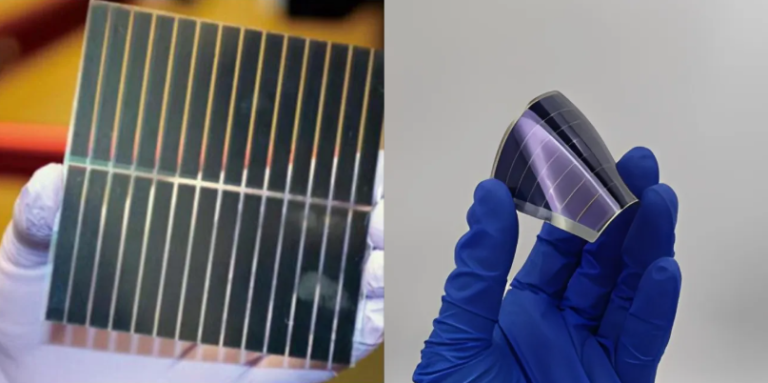
△ Precision Lineing of Perovskite Batteries
In the fabrication process of perovskite solar cells, green laser can precisely control the depth of film removal, While completing precise line marking processing, effectively protect the battery base from damage, and the groove width can be flexibly adjusted according to process requirements, with strong process adaptability, helping to improve the yield and conversion efficiency of perovskite batteries.
Application 3: TOPCon Poly layer precise thinning
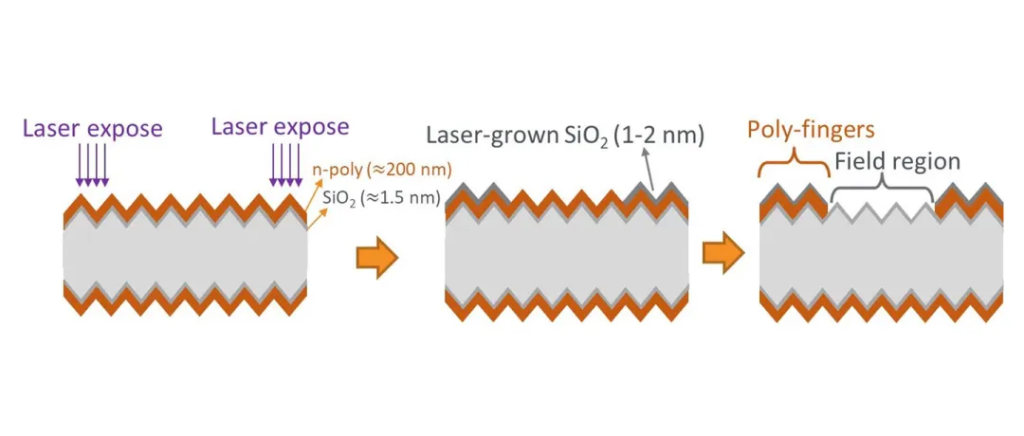
△ TOPCon Poly Layer Precision Thinning
For the TOPCon battery polylayer thinning process, it can optimize the polylayer thickness distribution by precisely adjusting the processing parameters, effectively improving battery passivation and conduction performance, and improving battery photoelectric conversion efficiency.Relying on the picosecond cold processing characteristics, the process can achieve a fine chipping width of < 20μm, with the advantages of parameter adjustable, high stability and no heat damage, effectively helping the photovoltaic industry to improve quality, reduce cost, increase efficiency and upgrade.
The upgrade of high-end manufacturing is always accompanied by the extreme pursuit of machining accuracy and production efficiency. Under the industrial trend of rapid iteration of photovoltaic technology and continuous miniaturization of electronic devices, GR picosecond lasers are becoming the core technological force supporting the advancement of precision manufacturing.
If you would like to know about the application potential of GR picosecond lasers in specific materials or processes, you are welcome to contact us at any time!