The most expensive mistake in a specialty RFQ is asking the wrong first question.
“The RFQ opened with ‘shortest femtosecond, highest peak power’ because that language felt safe for a specialty ultrafast laser source. Six weeks into installation, the binding experiment was mid-infrared photothermal contrast near 2.7 μm, not sub-100 fs IR ablation. The premium short-pulse chassis could not clear the wavelength window without a second conversion path we had not budgeted. We rewrote the specification around wavelength band at the sample, pulse class after the microscope train, and a ~20–50 W mid-IR-capable source envelope. Beamtime lost to the wrong first question was measured in months, not days. Peak power never appeared in the revised acceptance test.” — principal investigator, mid-IR photothermal imaging source specification rewrite
If you are specifying a specialty ultrafast laser source for a research lab, that scene is the pattern we see most often: grant language rewards “more ultrafast,” while the experiment rewards wavelength, pulse integrity at the sample, and spectral purity.
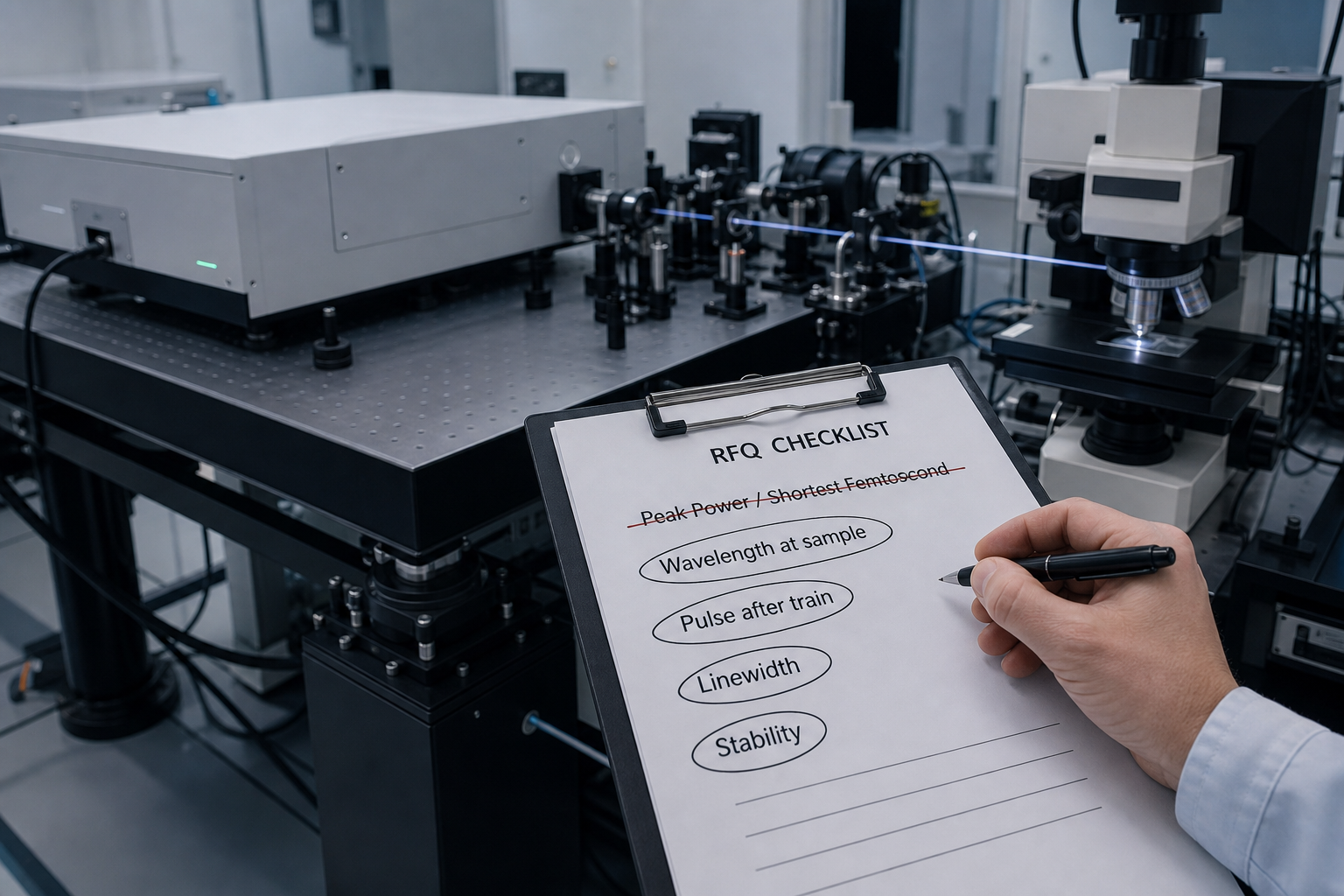
Ask five questions before you rank vendors: What wavelength must arrive at the sample? What pulse duration remains after your real optical train? Is linewidth or peak power the binding detection metric? Do you need a customizable pure source or a sealed instrument? What multi-shift stability and spare path keep beamtime reproducible? Use peak power and “femtosecond” only as secondary checks — never as the primary sort.
Research-lab RFQs fail in a predictable way. Marketplaces sort by pulse class and posted watts. University pages describe the science lasers enable. Industrial system articles debate picosecond versus femtosecond for factory cells. None of those SERP patterns tell a PI or facility engineer what to lock before the PO.
We see the same rewrite cycle across mid-IR photothermal setups, shared spectroscopy bays, and narrow-feature detection trials. The first draft of the research lab ultrafast laser RFQ checklist is almost always peak power and shortest pulse. The second draft — after lost beamtime — is wavelength at the sample, dispersion in the delivery path, linewidth, and whether the vendor will customize interfaces without an 8–12 week ticket.
Specialty sources are not commodity IR workhorses. Mid-infrared bands near ~2.7 μm, narrow-linewidth envelopes under 0.1 nm, and mixed pulse classes each impose different acceptance tests. Specifying them like a catalog amplifier wastes calendar time you cannot buy back with grant supplements.
This article turns those painful rewrites into questions you can ask before the shortlist hardens.
Start with the interaction, not the laser badge. Photothermal contrast, vibrational fingerprints, and many bio-relevant windows live where water and matrix absorption matter — including mid-infrared specialty laser source for labs in the ~2.7 μm class at roughly 20–50 W average-power envelopes when the experiment needs that band. IR femtosecond near 1030 nm is a different tool. If the science needs mid-IR, buying “the shortest IR femtosecond” does not create a mid-IR source.
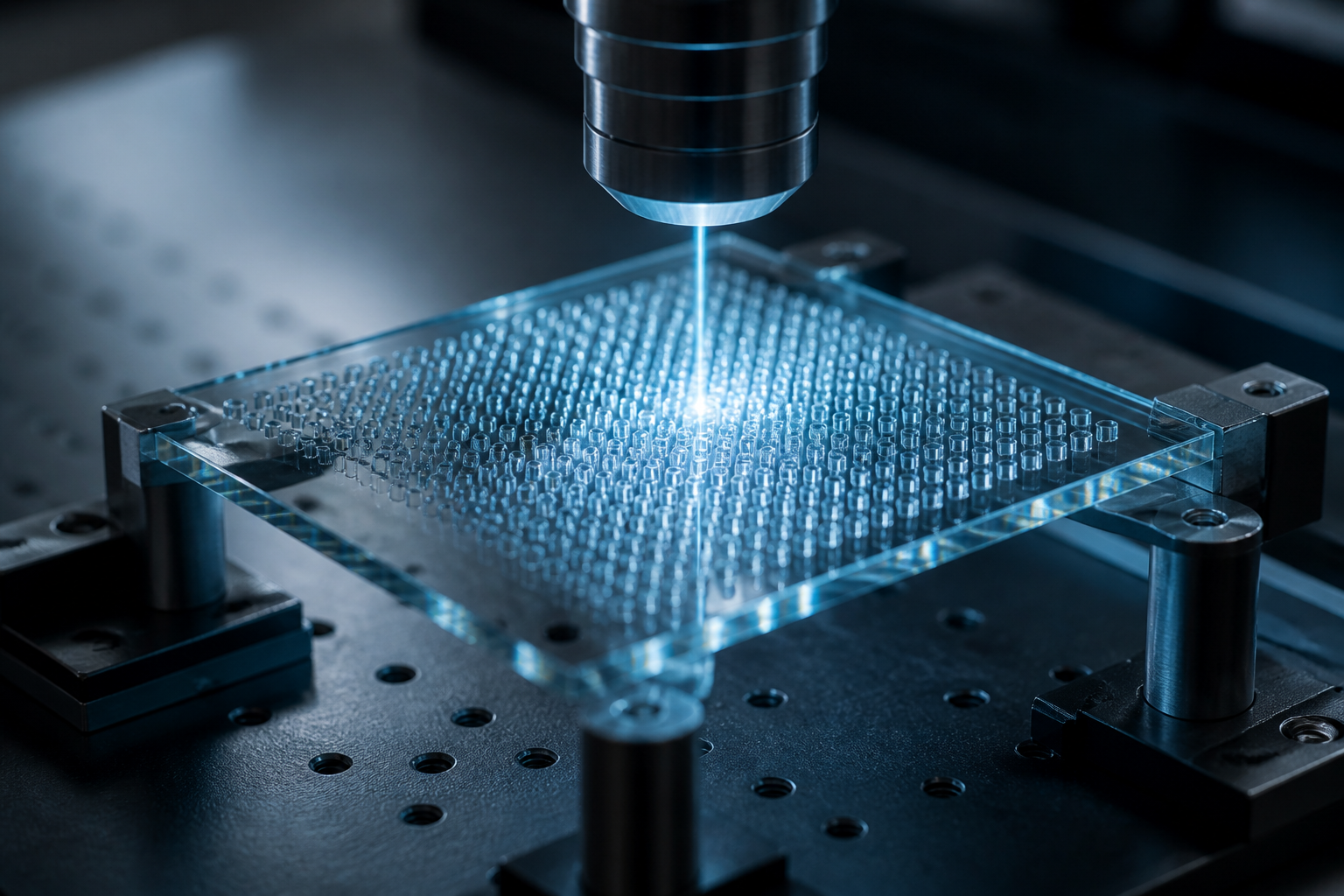
Common mistake: assuming multiphoton magic erases wavelength dependence. For many polymers and biological stacks, wavelength still sets process window and contrast. Lock the band at the sample plane first.
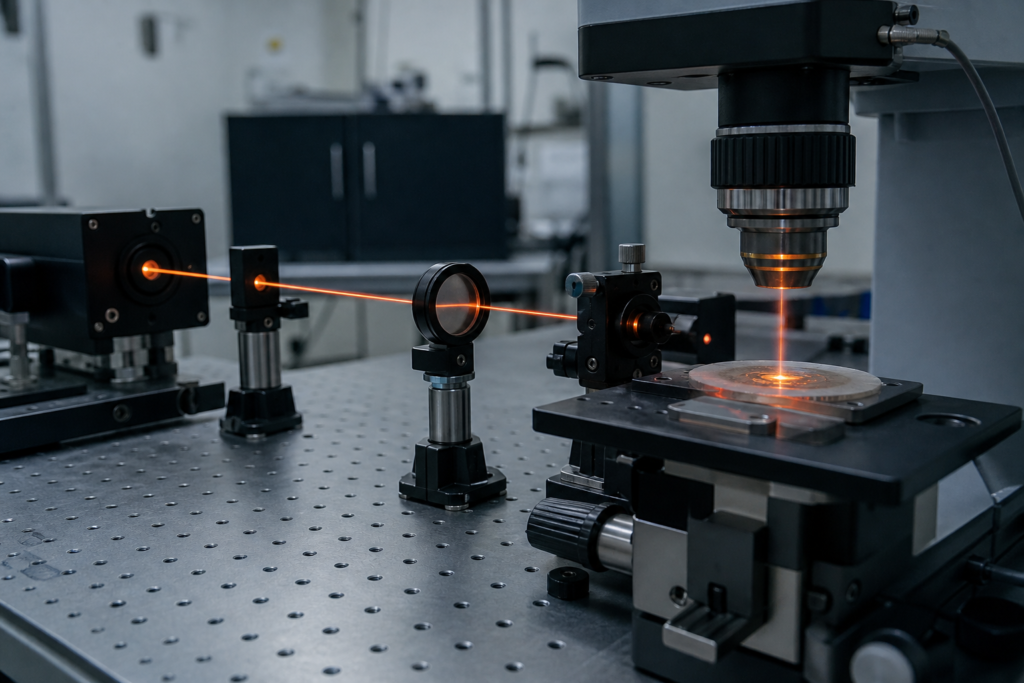
Brochure pulse width is not sample pulse width. Lenses, modulators, windows, and objectives add group delay dispersion (GDD) — frequency-dependent delay that stretches short pulses. A transform-limited short pulse can leave the laser cabinet intact and arrive broadened after a complex microscope train.
Specify pulse parameters at the sample after dispersion: expected GDD budget, whether you need precompensation, and which pulse class still meets the nonlinear or ablation goal after stretch. For some campaigns, an industrial picosecond envelope after the train outperforms an over-optimistic femtosecond claim that never survives the optics.
If your next beamtime block is already booked, confirming wavelength and post-train pulse class against the actual delivery path now saves a second acceptance loop later.
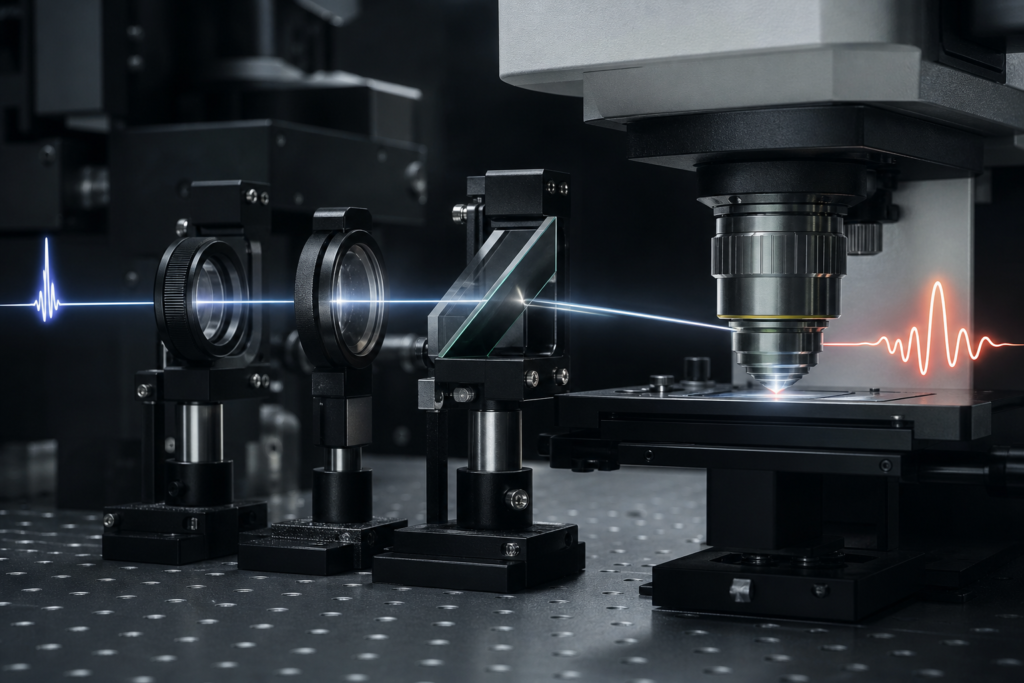
Detection and metrology-adjacent work often reverse the brochure ranking.
“The assumption was that a brighter specialty ultrafast source meant better detection, so peak power dominated the shortlist. Side-by-side on a narrow-feature inspection-style measurement, sensitivity tracked spectral purity: a source under 0.1 nm linewidth with long-term stability on the order of >20,000 h class duty held contrast that a higher-peak, broader-linewidth alternative washed out. We changed the pre-spec questions to linewidth, coherence needs, and pulse parameters at the sample after dispersion in the delivery train. Power stayed on the sheet as a threshold, not the ranking key. The variable treated as ‘more ultrafast’ was the wrong one to maximize.” — research scientist, narrow-linewidth specialty source dual-path detection trial
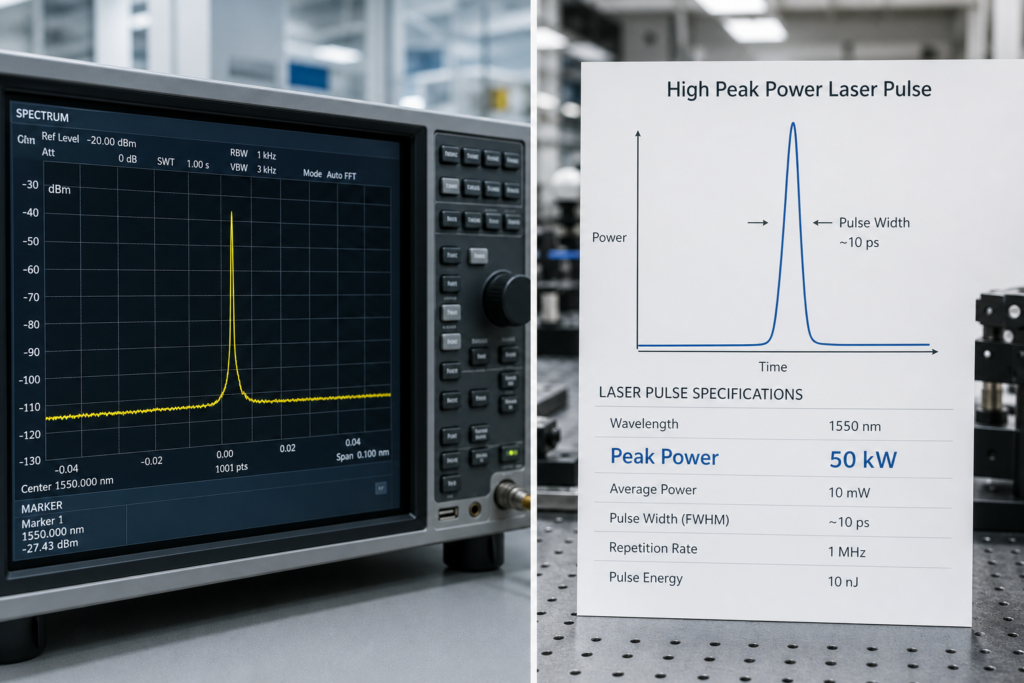
For a narrow-linewidth ultrafast source specification, put spectral purity and stability above peak power. Keep average power and peak as go/no-go thresholds for signal level — not as 40% of the score.
Shared facilities feel this tradeoff hardest.
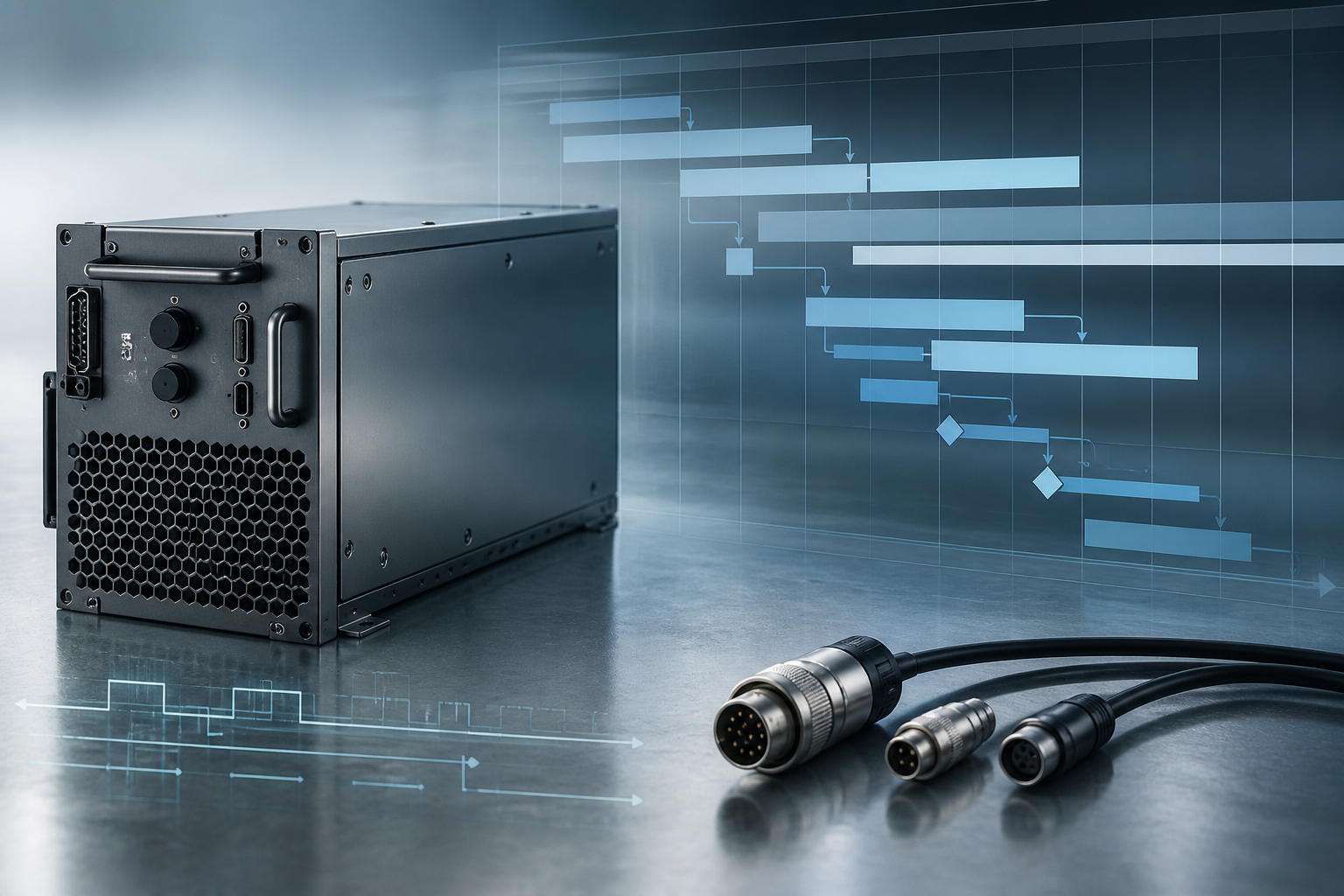
“We compared specialty sources the marketplace way: datasheet peak power, pulse width, and posted price. The sealed turnkey box won on paper. Over a four-month dual-path review for a shared spectroscopy and micromachining bay, the real cost was customization latency — every wavelength or gating change meant a vendor engineering ticket measured in 8–12 weeks. Specifying a pure laser source with documented interfaces, M² ≤1.3, and RMS power stability under 1% let the lab keep the optical train and dual-source the same pulse class. Facility downtime for ‘one more firmware option’ dropped from a quarter to under three weeks. The hidden line item was not CapEx; it was lost shared-instrument calendar time.” — lab instrumentation lead, shared ultrafast bay pure-source vs sealed-instrument review
Choose a sealed instrument when users are rotating novices and the experiment will not change wavelength or interfaces for years. Choose a pure laser source when the lab owns the optical train, needs customization, or must dual-source the same pulse class. Laserion stays on the pure-source side of that line: we supply the specialty engine; your group owns the science path.
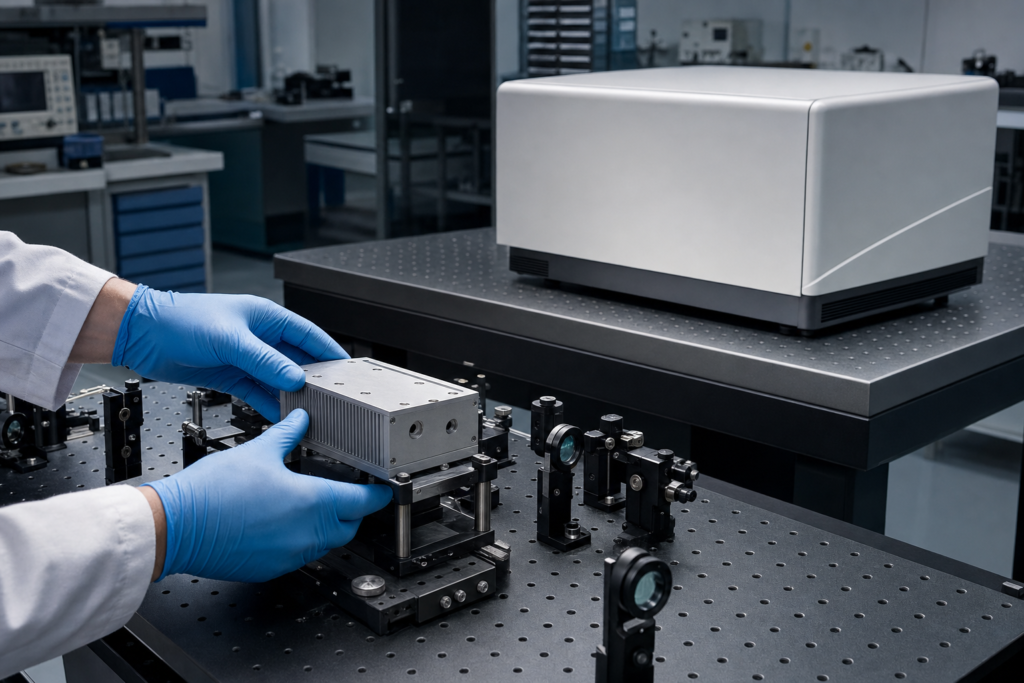
Research uptime is measured in campaign weeks. Ask for beam quality (often M² ≤1.2–1.3 for fine focusing), RMS average-power stability under multi-hour duty (industrial targets often under 1%), pointing behavior, and spare lead time. Ask whether a second source in-class can drop into your interfaces with a documented alignment procedure.
Before/after in one line: before, the RFQ sorted by peak power and shortest pulse; after, acceptance tests measured wavelength at sample, post-train pulse width, linewidth, and multi-hour stability.
| Question | Weak answer | Strong answer |
|---|---|---|
| Wavelength | “IR femtosecond is fine” | Band locked at sample (e.g. mid-IR ~2.7 μm if required) |
| Pulse | Brochure FWHM only | Pulse class after real GDD budget |
| Detection metric | Highest peak wins | Linewidth / stability if contrast-limited |
| Architecture | Lowest sealed price | Pure source vs sealed matched to customization need |
| Uptime | Ignored | M², RMS stability, dual-source / spares |
If your campaign is wavelength-bound (mid-IR contrast, specialty absorption), specify wavelength at the sample first and treat femtosecond peak power as secondary. If your campaign is detection-bound (narrow features, coherence), specify linewidth and stability first. If your bay is shared and experiments change every semester, prefer a pure source with documented interfaces over a sealed box that tickets every change in 8–12 weeks.
If you only need one frozen protocol for novice users, a sealed instrument can still win — but write that constraint explicitly so you do not pay for unused flexibility. If two datasheets show similar peak figures, call it a tie on vanity and escalate wavelength, post-train pulse, and linewidth.
Confirm the non-negotiable band at the sample, the GDD of your real train, whether linewidth or peak sets sensitivity, whether you need customization rights, and what stability envelope protects a multi-week campaign. Leave “shortest femtosecond / highest peak” as optional language — not the title of the RFQ.
If you’re qualifying a specialty ultrafast source for a research setup or integrating one into a shared optical bay, talking to an applications team directly can surface wavelength options, stability envelopes, and customization paths no product listing will tell you.
Talk to our applications team →
The mid-IR photothermal group did not fail because short pulses are useless. They failed because the first RFQ question optimized a brochure identity instead of the experiment. Specialty ultrafast sources should be specified the way you specify any campaign-critical instrument: lock the physics at the sample, then qualify a supplier who can hold that physics for the length of the beamtime.
Ask what must be true at the sample before you ask who has the biggest peak on the datasheet.
What should research labs ask before specifying a specialty ultrafast laser source?
Ask for wavelength at the sample, pulse class after the optical train, whether linewidth or peak power binds detection, pure source versus sealed instrument, and multi-hour stability plus spare/dual-source paths. Rank vendors on those answers. Use peak power and “femtosecond” only as secondary checks.
Why is peak power a weak starting point for a research lab ultrafast laser RFQ?
Because many specialty experiments fail on wavelength band, dispersion stretch, or spectral purity first. A high-peak IR femtosecond chassis cannot substitute for a mid-IR window near ~2.7 μm if that is what the sample interaction requires.
How do you specify pulse parameters at the sample after dispersion?
Estimate the GDD of lenses, modulators, and objectives; state the maximum acceptable pulse width at the sample; and require either precompensation or a pulse class that still meets the science after stretch. Brochure FWHM alone is not an acceptance test.
When does a narrow-linewidth ultrafast source specification matter more than peak power?
When contrast or sensitivity tracks spectral purity — for example narrow-feature or inspection-style detection where linewidth under ~0.1 nm and long-term stability preserve signal that a broader, higher-peak source washes out.
Should a lab buy a pure laser source or a sealed turnkey instrument?
Buy sealed when protocols are frozen and users are novices. Buy a pure source when you own the optical train, need wavelength or gating changes, or must dual-source. Shared bays often lose more calendar time to vendor tickets (8–12 weeks) than they save on CapEx.
What mid-infrared specialty laser source questions belong in an RFQ?
Required band at the sample (e.g. ~2.7 μm class), usable average-power envelope, beam quality, stability under multi-hour runs, delivery interfaces, and whether conversion stages are included or separate. Do not assume an IR femtosecond amplifier covers mid-IR needs.
What stability metrics should protect research beamtime?
Ask for M² (often ≤1.2–1.3 for fine focusing), RMS average-power stability under sustained duty, pointing behavior, and spare lead time. Campaign weeks are the real currency — not a single demo cut that maximizes peak appearance.
How do you compare two specialty sources with similar peak-power figures?
Treat peak power as tied. Compare wavelength fit, post-train pulse integrity, linewidth if relevant, customization latency, dual-source readiness, and documented industrial-style stability envelopes. The better specialty source is the one that survives your acceptance test at the sample.