Most Google answers to this title are written for someone else. They advise factories whether to buy a cutting machine or outsource sheet metal—not mid-sized equipment integrators deciding what they are allowed to sell.
“We almost standardized on a full turnkey laser cell for our mid-volume medical and electronics tools. The pitch was familiar from job-shop SERPs: one throat to choke, faster FAT, less optical risk. Six months in, the model cracked. Our list price sat inside the upstream machine brand’s discount band, gross margin compressed into the low teens on those SKUs, and we could not change scan strategy or pulse class without opening their process package. We reversed the BOM: industrial laser sources only—green/IR picosecond for volume heads, IR femtosecond where cold-cut gates failed—and kept motion, gas, and recipe ownership in-house. Time-to-first-ship slipped about one quarter; account stickiness and margin on the next three tools recovered. For a mid-sized integrator, the over-spec was not the laser physics—it was buying someone else’s finished machine as if we were an end-user fab.” — Equipment integrator GM, mid-sized OEM tool product-line decision
That scene reframes the question. Laserion is a pure laser source OEM—we do not sell competing turnkey machines—so our answer stays on the integrator side of the table: when does buying a source protect your product, and when does a full turnkey cell still make sense as a temporary bridge?
Mid-sized equipment integrators should usually buy an industrial laser source and own motion, beam delivery, and process recipes when differentiation, margin, and dual-source spares matter. A full turnkey machine fits short demos, ultra-standard cells, or programs where you explicitly do not want optical ownership. Buying turnkey as your default SKU often recreates channel conflict with the upstream machine brand and compresses gross margin into the teens. Buying sources lets you define the machine—then escalate pulse class (picosecond vs femtosecond) station by station.
SERP content clusters around five end-user stories: standard cutters beat cheap custom shops on TCO; outsourcing loses after a monthly spend threshold; medical fabs should buy complete machines for compliance and service; standard jobs buy OEM machines while complex lines hire integrators; volume and tolerance decide make-vs-buy. All five are rational—for a plant manager.
They mislead an integrator. You are not choosing a facility asset. You are choosing whether your company owns the process-defining subsystem or resells someone else’s. Mid-sized OEMs feel this hardest: big enough to carry applications engineering, too small to win a pure price war against a global turnkey logo on the same cover.
If you are freezing a tool platform BOM, writing a channel policy, or arguing CapEx with finance, the real search is: laser source vs turnkey machine for OEM integrators—who keeps the process IP?
Turnkey cells optimize for speed of first article and a single contractual throat for the laser station. For an integrator, that can still be rational when:
The costs show up off the first PO. List prices drift into the upstream discount band. Recipe changes require their permission. Dual-feeding an alternate laser becomes a contractual fight. When a yield escape hits the field, “single responsibility” often means your customer still calls you while three vendors argue.
Turnkey is not wrong. It is frequently the wrong default for a mid-sized integrator’s core SKUs.
Buying a source means you integrate scanners, stages, exhaust, safety, HMI, and process recipes. You accept a longer path to first ship in exchange for:
This is Laserion’s lane by design: industrial ultrafast and nanosecond sources for partners—not a competing turnkey line. Integrators who choose this path still need hard gates: RMS power stability, M², trigger/PSO behavior, modular maintenance, and documented delivery slots.
If your next customer FAT is already booked, confirming whether you own the process package—or only the sheet-metal around someone else’s—before you print the brochure saves a channel conflict later.
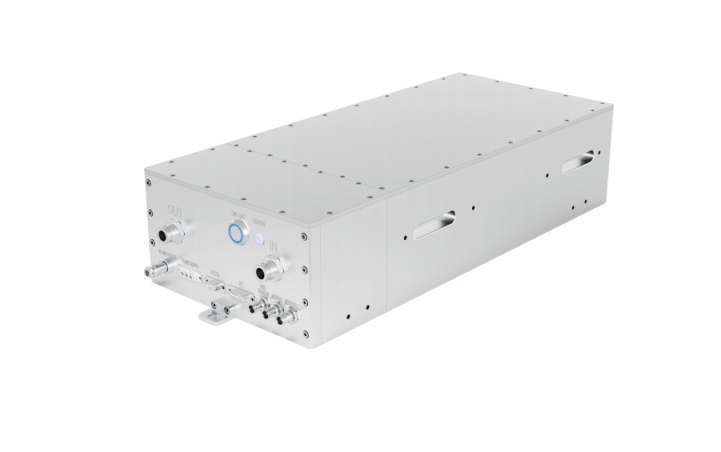
| Decision factor | Full turnkey machine | Laser source + your integration |
|---|---|---|
| Time to first demo | Usually faster | Usually slower by weeks–a quarter |
| Gross margin on core SKUs | Often compressed (teens in book examples) | Typically healthier when you own stack (mid-20s–low-30s class in book examples) |
| Process / recipe IP | Upstream-controlled | Integrator-controlled |
| Channel conflict with laser/machine brand | High if you resell their cell | Lower if you buy pure source and sell your tool |
| Dual-source / spare-feed | Hard | Designable |
| Field root-cause ownership | Fragmented | Integrator-owned if interfaces are open |
| Best fit | Bridge SKUs, commodity cells, brand-mandated buys | Differentiated platforms, medical/electronics tools, multi-year product lines |
Anonymous book patterns are directional, not a promise of your margin. Run your own contribution sheet before the CapEx vote.
“Single-vendor responsibility looks clean on a risk register. On our glass and polymer micromachining platform it hid the real cost: every yield escape bounced between scanner vendor, stage vendor, and the turnkey laser cell OEM, while our customer still called us. Mean time to a root-cause call stretched past two weeks on one program because we did not own beam delivery or the pulse-class choice. We switched the architecture to a pure source OEM with documented RMS stability (≤0.8% class), M², and GATE/TRIG/PSO hooks we could integrate and spare. Field fixes moved back inside our service playbook. The hidden cost of turnkey was not CapEx—it was lost diagnostic ownership on the exact subsystem that defines cut quality.” — Applications / systems engineering lead, mid-sized integrator platform redesign
Should mid-sized equipment integrators buy a laser source or a full turnkey machine? If your brand promise is process quality, buying a source is how you keep the promise diagnosable. If your brand promise is “we ship a standard cell fast,” turnkey can stay on the bridge SKU list.
“Procurement scored turnkey lower on first PO and shorter promised lead time. Sales scored it higher on ‘we can demo next month.’ Both metrics were end-user logic. Our win-rate dataset said something else: when the laser brand on the cover matched a global turnkey name, distributors dual-quoted their cell against ours within one quarter, and we lost on price. When we bought industrial sources—picosecond workhorses plus femtosecond only on gated stations—and sold a Laserion-compatible open interface story, dual-source spares became a sales feature instead of a contractual fight. Average contribution margin on source-based tools ran roughly mid-20s to low-30s percent versus teens on turnkey-resell SKUs in our book. The reverse is simple: integrators do not buy machines the way factories do; they buy the right to define the machine.” — Integrator procurement lead with sales, source-vs-turnkey SKU portfolio review
End-user SERPs optimize facility TCO. Integrator SERPs should optimize contribution margin, channel conflict, and who owns the recipe.
Prefer a laser source when you:
Prefer a full turnkey machine when you:
Hybrid that mid-sized teams actually run: source-based core platform; turnkey only on non-strategic cells; femtosecond only on stations that fail picosecond HAZ/crack gates.
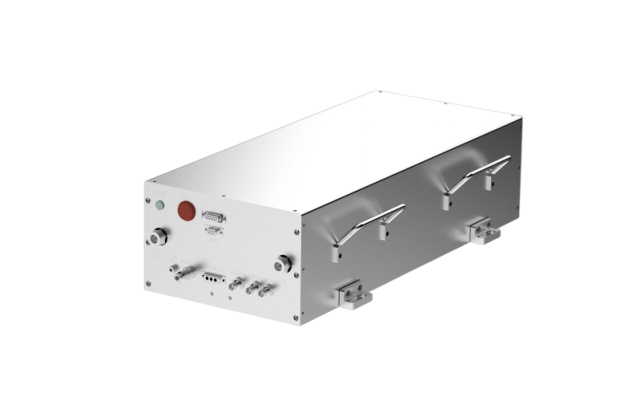
Laserion does not sell the turnkey column. Use this as a source shortlist for heads you own. Specs are series-level from product data.
| Integrator station / tool need | Buy source (not turnkey) when… | Laserion series | Specs that matter for integration |
|---|---|---|---|
| Volume polymer trim / metal mark-texture | You own scan recipe & margin | Green picosecond | 532 nm; ≥120 W; ~10 ps; M² <1.3; RMS ≤0.8%; Burst Mode |
| Glass / sapphire / high-energy IR work | You need power + PSO/triggers | IR picosecond | 1064 nm; >100 W (up to ~300 W class); ≥3.5 mJ; ~10 ps; M² <1.3; RMS ≤0.8%; PSO/GATE/TRIG |
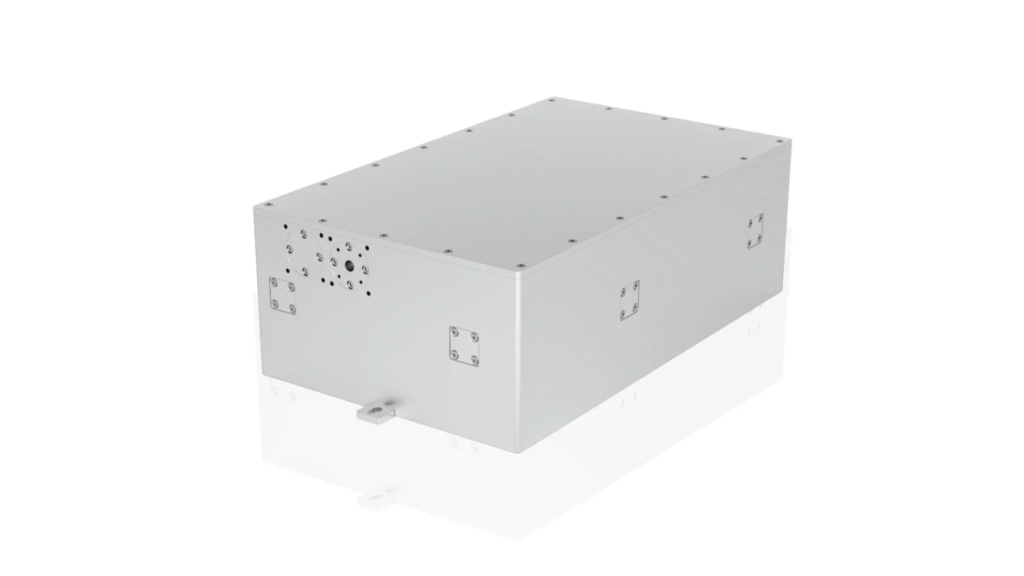
| Fine polymer / electronics UV features | Absorption at 355 nm defines the window | UV picosecond | 355 nm; ≥40 W; ~10 ps; M² <1.2; RMS ≤1% |
| Cost-sensitive heads, thermal budget allows | Ultrafast would be over-spec | Green nanosecond | 532 nm; >60 W @ 50 kHz; <30 ns @ 50 kHz; M² <1.2; RMS <1.5% |
| Stent-class / true cold ablation stations | Picosecond fails HAZ/crack gates | IR femtosecond | 1030 nm; ≥50 W; 500 fs–10 ps; ≥1 mJ; M² ≤1.3; RMS <0.8% |
| Wrong integrator metric | Better metric |
|---|---|
| “Factories buy machines, so we should too” | Do we own process IP on this SKU? |
| Lowest first PO / shortest demo lead time | Contribution margin + channel conflict risk |
| Single throat to choke on paper | MTTR and who diagnoses the beam |
| One premium pulse class plant-wide | Station-gated picosecond + femtosecond mix |
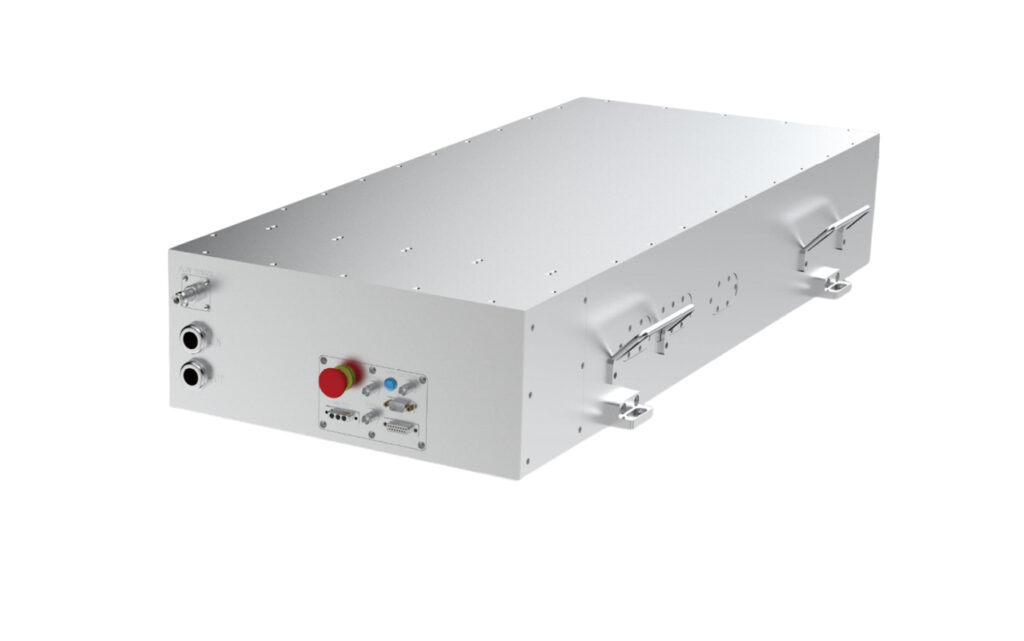
If the SKU is strategic, differentiated, and margin-bearing for more than one customer generation, buy the laser source and integrate—qualify industrial picosecond first, escalate to IR femtosecond only where cold-cut gates fail.
If the SKU is a bridge demo, a brand-mandated cell, or a program where you refuse optical ownership, buy turnkey—and keep it off your core platform roadmap.
If finance only compares first PO, rebuild the sheet with contribution margin, dual-source option value, and field MTTR. If sales only compares demo date, add win-rate after distributors dual-quote the upstream cell.
If you are mid-sized, default to source-based platforms with a pure source OEM partner. That is how you stay an equipment company instead of becoming a thinner reseller.
Before you freeze the next tool BOM, confirm who owns recipes, whether your list price collides with an upstream machine brand, which stations need green/IR/UV picosecond versus IR femtosecond, which interfaces (GATE/TRIG/PSO) your scanner stack requires, and how spares dual-feed. If you’re qualifying an ultrafast source for production tools or integrating one into OEM equipment, talking to an applications team directly can surface stability, customization, and delivery details no product listing will tell you.
Talk to our applications team →
Factories buy machines to cut parts. Integrators buy the right to define how parts are cut. The GM who walked away from turnkey-as-default was not rejecting reliability—they were rejecting someone else’s product strategy wearing their logo. Mid-sized equipment integrators should buy a laser source when they need process IP, margin, and dual-source control; they should buy a full turnkey machine only as a bridge or mandated cell—not as the template for every SKU.
Default to a laser source for strategic, differentiated tools so you own recipes, interfaces, and margin. Use full turnkey for bridge demos, commodity cells, or contractually mandated brands. Do not copy end-user “buy the machine” advice into an OEM BOM without running channel and margin math.
When speed to first demo matters more than multi-year platform control, when the customer mandates a named cell, or when you explicitly refuse optical ownership on that program. Keep those SKUs labeled as bridge inventory so they do not silently become your architecture.
A pure source OEM supplies the laser engine for integrators and does not sell competing turnkey machines into the same channel. That reduces direct logo collision and keeps dual-source and customization commercially feasible. Laserion positions this way by design.
Most volume polymer/metal and many PV/electronics stations qualify on industrial picosecond: green (≥120 W, 532 nm), IR (>100 W class, 1064 nm), or UV (≥40 W, 355 nm) depending on absorption and feature size. Escalate to IR femtosecond (≥50 W, 1030 nm) only when HAZ/crack gates fail.
Source-based BOMs can be designed for dual-feed modules and open triggers. Turnkey cells often make alternate lasers a contractual exception. If customers score second-source readiness, that alone can flip the decision toward buying the source.
Usually yes on the first article—often on the order of weeks to about a quarter versus a catalog cell—because you own integration. Many mid-sized teams accept that delay once contribution margin and account stickiness on the next tools recover. Measure delay against lifetime SKU profit, not only FAT date.
Yes. Run a source-based core platform and limit turnkey to non-strategic cells. Mixing without a written rule set is what recreates channel conflict and support chaos.
Three gates: (1) Do we own the process package on this SKU? (2) What is contribution margin after likely dual-quotes? (3) Can we spare-feed and diagnose the source in the field? Brand and pulse-width compares come after those gates.