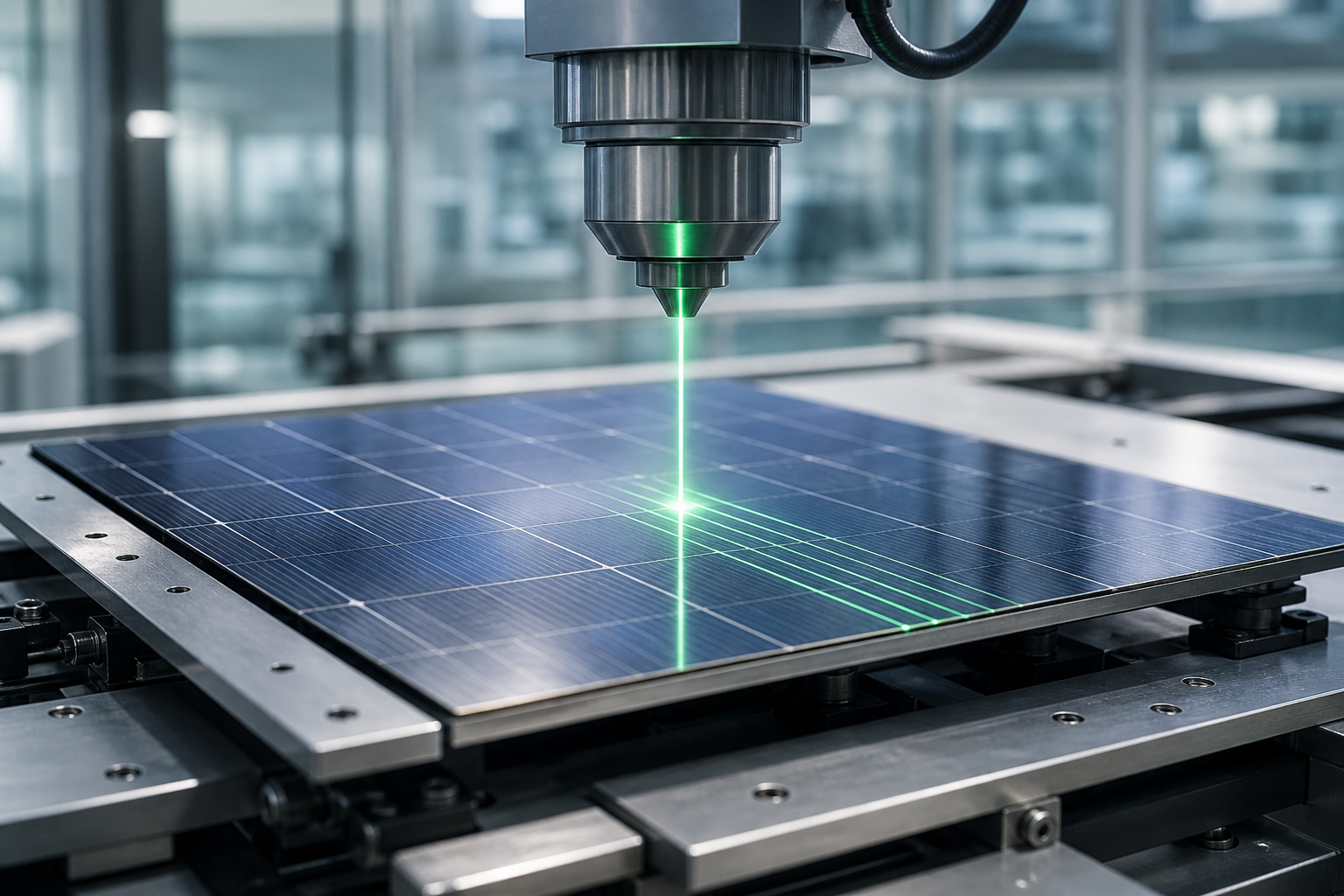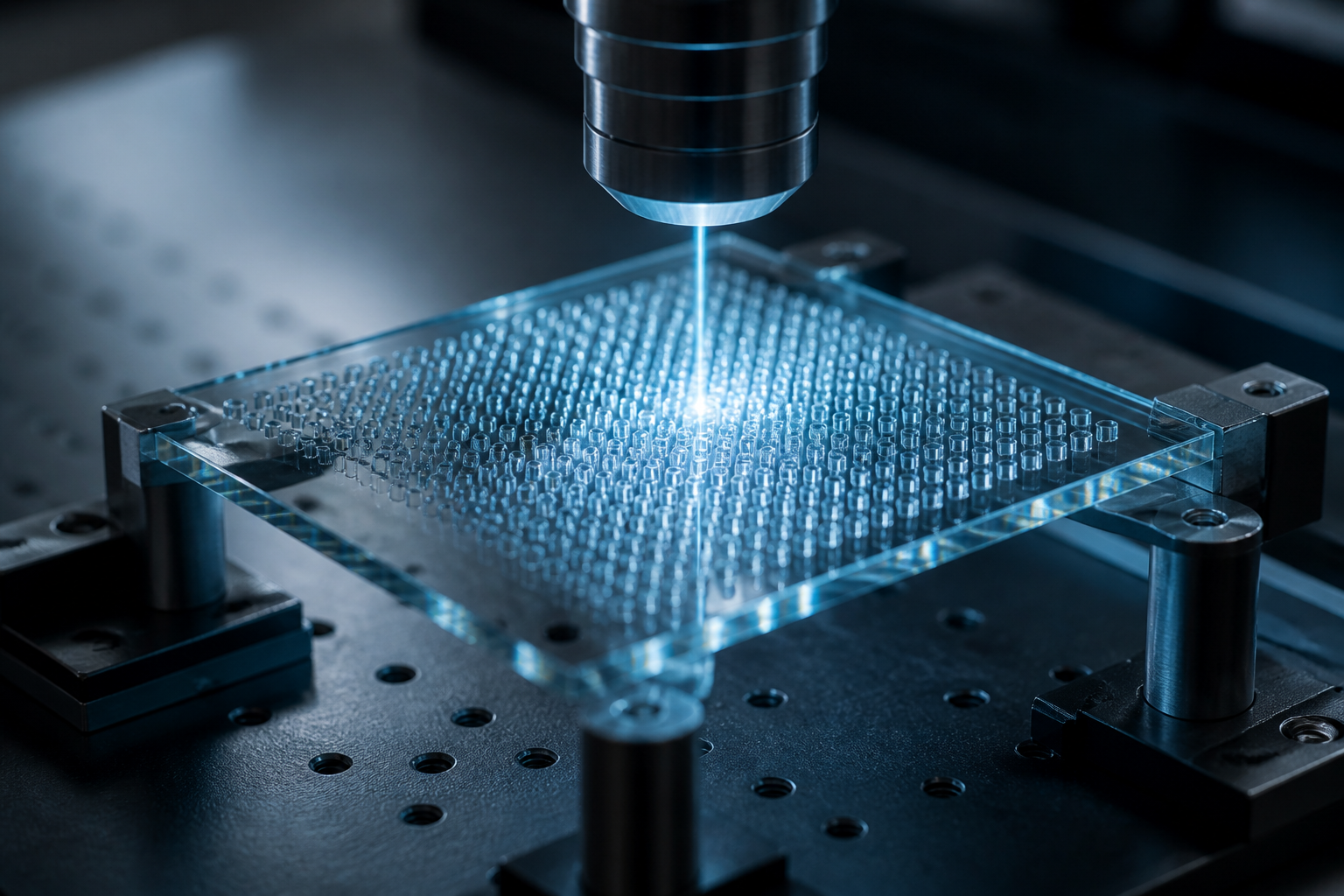
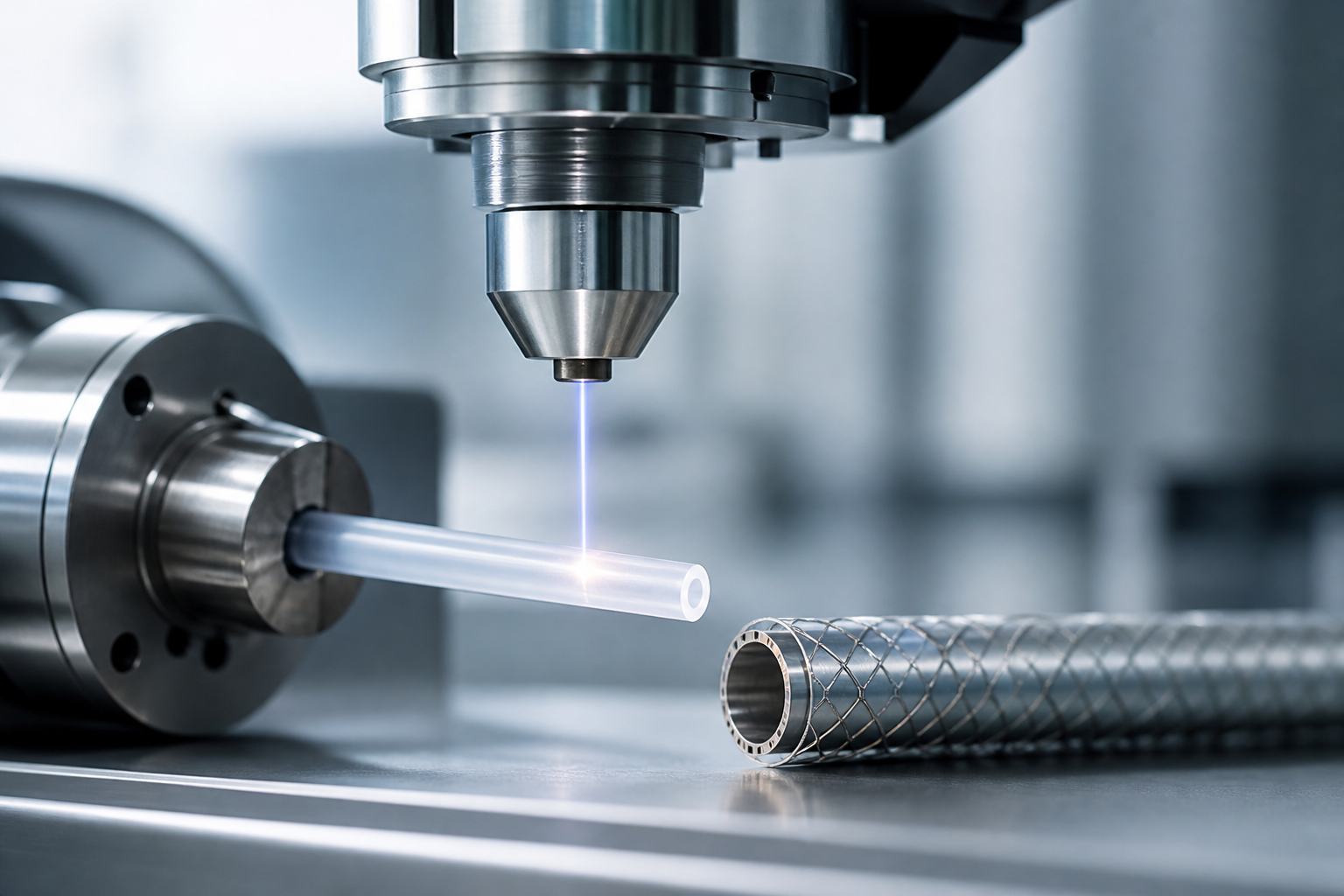
Google often answers this title with the wrong physics. Half the SERP talks about cold plasma—surface activation, RONS, implant wettability. The other half sells femtosecond “cold ablation” as a slogan or lists polymer micromachining services. The missing link is simpler: biocompatible bulk stock can still fail after a hot cut.
“We qualified a biocompatible Pebax extrusion and a Nitinol tube from approved lots, then lost two design-lock cycles on edge quality—not chemistry certificates. Nanosecond trim left melt lips on the polymer and a discolor band the biocompatibility team refused to treat as ‘cosmetic.’ A picosecond window cleaned most polymer skives, but the finest stent-class metal features still showed micro-crack risk under fatigue screening. We gated the line: UV/green picosecond for polymer volume heads, IR femtosecond only where cold-cut gates failed. Cold ablation mattered because it protected the biocompatibility we had already paid for—before anyone talked about plasma coatings.” — Process engineer, polymer catheter and Nitinol micromachining qualification
That is why cold ablation matters for biocompatible metal and polymer medical parts. Laserion supplies industrial ultrafast sources for equipment integrators—not cold-plasma systems and not contract ablation shops—so our answer stays on pulse class, heat-affected zone (HAZ), and what the cut edge does to biological response.
Cold ablation matters because machining heat can change the surface that cells, proteins, and regulators actually see—even when the bulk polymer or metal remains “biocompatible” on the datasheet. Ultrafast pulses (picosecond to femtosecond) remove material with far less collateral melt, recast, and crack risk than longer thermal pulses, which helps preserve edge integrity on catheters, balloons, and stent-class metals. Cold ablation is not cold plasma: one is low-HAZ laser removal; the other is surface chemistry activation. Use industrial picosecond where the window holds; escalate to IR femtosecond when feature scale or crack/melt criteria force true cold cut.
Medical device teams search this phrase after a familiar failure: material certs pass, dimensional prints pass, then histology, platelet assays, fatigue, or visual standards fail on the laser edge. SERPs pull them into plasma biocompatibility markets or into service-bureau capability lists. Neither answers the source decision on their tool BOM.
Regulated manufacturers also resist process change after validation. That makes the first pulse-class choice expensive to reverse. If you are locking a polymer skive, multilumen drill, marker-band strip, or metal tube cut, you need a clear causal chain: heat at the kerf → surface state → biological and mechanical risk → revalidation cost.
Cold plasma reviews and implant-market reports dominate adjacent SERPs because “cold” plus “biocompatible” triggers plasma medicine literature. Plasma can modify wettability, deposit functional groups, and deliver antimicrobial effects without bulk heating. That is surface engineering.
Cold ablation, in laser micromachining, means removing material while the lattice has less time to thermalize and spread heat—ideally ablating in a largely athermal window so HAZ, dross, and melt lips shrink. Femtosecond pulses maximize that contribution; industrial picosecond already delivers a large share of non-thermal behavior for many production stations.
Mixing the two terms in an RFQ sends teams shopping for the wrong subsystem. If your problem is a melted polymer strut or a cracked Nitinol strut edge, you need pulse-class and beam control—not a plasma jet.
Biocompatibility is not only ISO chemistry of the resin or alloy. The manufactured surface governs protein adsorption, platelet adhesion, cell attachment, and crack initiation. Laser heat can:
Cold ablation matters because it reduces the chance that a validated material becomes an unvalidated surface after machining.
Biocompatible metals (Nitinol, stainless, titanium class parts) often fail on crack, HAZ, and fatigue—not on “wetting slogan.” Stent-class geometries and fine struts amplify any thermal rim. When picosecond cannot hold crack/burr criteria, IR femtosecond becomes the cold-cut gate—not a plant-wide religion.
Biocompatible polymers (Pebax, nylon, polyimide, polyurethane, PEEK, and related catheter/balloon stocks) fail first on melt, stringers, and thermal discolor. UV and green picosecond frequently win on absorption and edge quality for skives, holes, and film excision. Femtosecond earns its CapEx when feature scale or melt budget collapses the picosecond window—common on the finest polymer meshes and bioabsorbable scaffolds.
Industry polymer ablation literature already stresses short wavelength and short pulse for clean vaporization and Cpk-capable automation. The biocompatibility angle adds one sentence those pages underweight: the clean edge is not only dimensional—it is the biological interface.
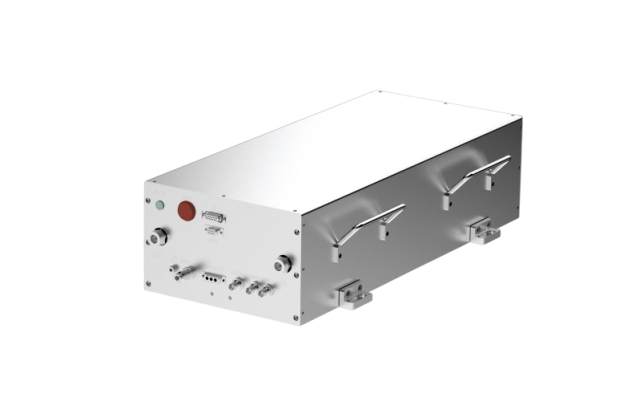
“Our first platform RFQ asked for ‘biocompatible laser processing,’ and half the quotes shipped plasma surface modules. We already had a coating path. The scrap was coming from polymer melt at skive and from metal discolor after ns trim. We rebuilt the source mix as a pure source OEM stack: UV picosecond (≥40 W, 355 nm) for polymer fine features, green picosecond for higher-throughput trim where absorption allowed, IR picosecond for selected metal/glass work, and IR femtosecond (≥50 W, 1030 nm, 500 fs–10 ps) only on cold-cut exceptions. Platelet and visual standards stopped failing on the laser edge. Cold ablation mattered as process insurance for biocompatibility—not as a synonym for plasma medicine.” — Equipment integrator applications lead, medtech micromachining source BOM
If your next sample run is already booked for biocompatibility or fatigue, lock edge HAZ and melt criteria against the drawing now—before you add another surface treatment to hide a hot process.
“R&D wanted femtosecond on every head ‘because cold ablation.’ Procurement wanted one plasma OEM because the SERP said biocompatible implants. The dataset said both were over-scoped. We wrote three gates: (1) Does the current pulse class fail melt, crack, or discolor on the biocompatible stock? (2) Does post-process or secondary plasma/coating cost exceed fixing the cut? (3) Is feature scale forcing multiphoton/IR-fs cold removal? Only gate failures escalated. Polymer volume stayed on UV/green picosecond with RMS stability locked; stent-class metal moved to IR femtosecond. Cold ablation stopped meaning ‘shortest pulse’ and started meaning ‘protect the biological surface we already certified.’” — R&D technical lead with procurement, medtech pulse-class standard
Laserion does not sell cold-plasma treaters or turnkey ablation cells. Use this as a source shortlist. Specs are series-level from product data.
| Station / part need | Why cold ablation matters here | Laserion series | Specs that matter |
|---|---|---|---|
| Polymer skive, multilumen hole, film excision | Melt lips change biological edge and Cpk | UV picosecond (or green ps if absorption allows) | UV: 355 nm, ≥40 W, ~10 ps, M² <1.2, RMS ≤1%; Green: 532 nm, ≥120 W, ~10 ps, Burst Mode, RMS ≤0.8% |
| Polymer strip / selective layer removal | Threshold contrast vs metal underlayer | UV / green picosecond | Same bands; qualify fluence so metal boundary is not damaged |
| Glass / selected metal micromachining | Crack and taper control | IR picosecond | 1064 nm; >100 W (up to ~300 W class); ≥3.5 mJ; ~10 ps; M² <1.3; RMS ≤0.8%; PSO/GATE/TRIG |
| Stent-class / extreme HAZ metal or ultra-fine polymer | True cold cut when ps window fails | IR femtosecond | 1030 nm; ≥50 W; 500 fs–10 ps; ≥1 mJ; M² ≤1.3; RMS <0.8% |
| Cost-sensitive mark/trim, thermal budget allows | Ultrafast may be over-spec | Green nanosecond | 532 nm; >60 W @ 50 kHz; <30 ns; prove melt criteria explicitly |
| Wrong SERP takeaway | Better medtech takeaway |
|---|---|
| Cold = buy cold plasma | Cold ablation = low-HAZ laser removal; plasma is a different tool |
| Always femtosecond for biocompatible parts | Gate: picosecond first; fs when melt/crack/feature scale force it |
| Dimensional Cpk alone proves process | Edge state is part of biocompatibility risk |
| Contract shop capability list = source selection | Integrators still need a dual-feedable industrial source |
If your failure mode is melt, discolor, or stringers on medical polymers, start with UV or green picosecond and prove HAZ under the production scan recipe.
If your failure mode is crack, fatigue, or HAZ on stent-class metals—or the finest polymer meshes fail under picosecond—escalate that station to IR femtosecond.
If your SERP research points only to plasma biocompatibility, ask whether the surface problem is activation—or a hot kerf you should not create.
If you are an integrator, sell a pure-source-flexible BOM: picosecond volume, femtosecond exception, plasma only when it is a true surface-engineering step—not a bandage for thermal machining.
Before you freeze the medtech micromachining BOM, confirm cold ablation vs cold plasma in the requirement text, lock melt/crack/discolor criteria on the real biocompatible stock, decide which stations need UV/green/IR picosecond versus IR femtosecond, and qualify RMS stability and interfaces under soak. If you’re qualifying an ultrafast source for production or integrating one into OEM medical equipment, talking to an applications team directly can surface stability, customization, and delivery details no product listing will tell you.
Talk to our applications team →
Biocompatible materials do not stay biocompatible by certificate alone. They stay that way through every edge the laser leaves behind. Cold ablation matters because it keeps heat from rewriting the surface biology your validation assumes is still there. Cold ablation matters for biocompatible metal and polymer medical parts because low-HAZ ultrafast removal protects the certified material’s biological and mechanical edge—distinct from cold plasma surface activation, and correctly specified station by station rather than as a femtosecond slogan.
Because laser heat can create melt, recast, cracks, and polymer damage that change the surface cells and proteins see, even when bulk material certs pass. Cold ablation shrinks that collateral zone so dimensional yield and biocompatibility risk stay aligned.
No. Cold ablation is ultrafast laser material removal with minimal HAZ. Cold plasma is typically a surface-modification or antimicrobial/activation process using energetic species at low bulk temperature. Confusing them leads to the wrong capital purchase.
No. Many polymer skives and holes hold under industrial UV or green picosecond. Escalate to IR femtosecond when melt, crack, or feature-scale gates fail—especially stent-class metals and ultra-fine polymer meshes.
Start with UV picosecond (355 nm, ≥40 W, ~10 ps) or green picosecond (532 nm, ≥120 W, ~10 ps) depending on absorption and throughput. Prove edge melt and discolor on the real resin before adding femtosecond CapEx.
Laserion’s IR femtosecond series: 1030 nm, ≥50 W, 500 fs–10 ps, ≥1 mJ, M² ≤1.3, RMS <0.8%. Use it where picosecond cannot hold HAZ/crack criteria—not as the default for every polymer trim head.
Often yes. Shorter interaction time increases non-thermal contribution from nano- to pico- to femtosecond; industrial picosecond already delivers production-capable low-HAZ results on many medtech stations when fluence and overlap are locked.
No. Laserion is a pure laser source OEM for integrators and production tools. We help map pulse class to metal and polymer stations; we do not sell cold-plasma systems or replace contract micromachining bureaus.
Melt lip / recast height, discolor, micro-crack or fatigue indicators on metals, polymer edge integrity, debris, and any assay your biocompatibility plan treats as edge-sensitive—under the production scan recipe, not only on demo coupons.