
The shortest pulse on the datasheet is not a production strategy. In micromachining RFQs, femtosecond often arrives as a default upgrade—“so quality never becomes the argument”—before anyone maps which stations actually fail under industrial picosecond.
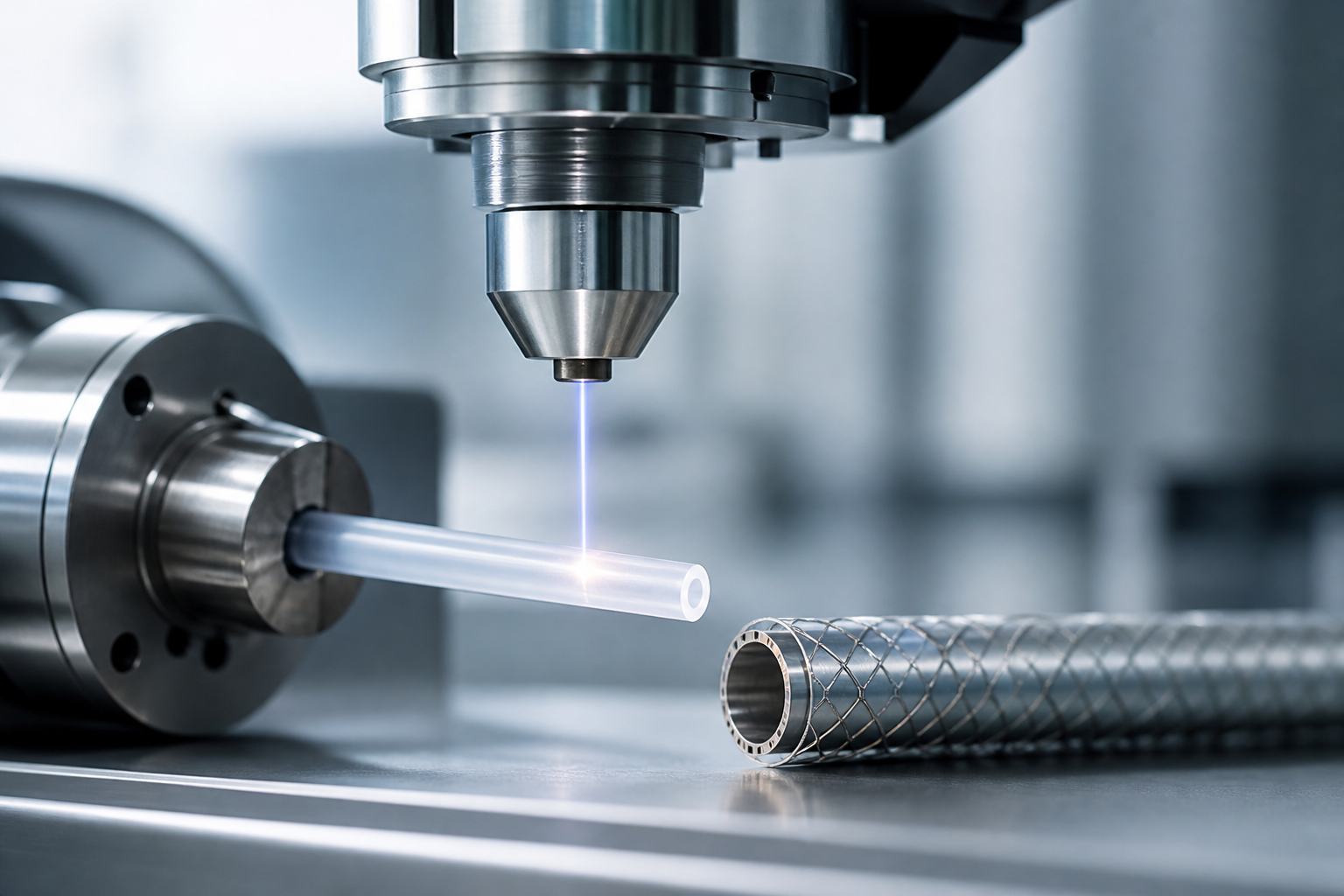
“Our first production BOM copied the demo cell: femtosecond on every micromachining head ‘so quality never becomes the argument.’ Coupons looked clean. The line plan did not. CapEx and head count for an all-fs layout broke the takt model for polymer trim and metal mark stations that already held edge melt and HAZ under green and IR picosecond. We re-gated the RFQ: femtosecond only where post-process or crack criteria failed a picosecond window—stent-class tube cut and sub-30 µm polymer strut work stayed on IR femtosecond (≥50 W, 500 fs–10 ps class). Volume heads moved to industrial picosecond with RMS stability locked at ≤0.8%. Yield on the critical features held; unit cost on the non-critical stations dropped enough to keep the second bay fundable. Over-spec meant buying pulse duration the process window did not ask for.” — Process engineer, medical-device and precision-electronics micromachining source qualification
That is the practical meaning of the title question. Laserion supplies industrial ultrafast sources for integrators and production tools—not turnkey micromachining cells—so our answer stays at source and station level: when is a femtosecond laser over-specified for production micromachining, and which pulse class should carry the volume?
A femtosecond laser is over-specified for production micromachining when industrial picosecond (or, where the thermal budget allows, nanosecond) already holds heat-affected zone (HAZ), edge melt, crack, and post-process criteria at the required takt. Escalate to femtosecond only when those gates fail—typically stent-class tube cutting, ultra-fine polymer struts, biological tissue cuts, or stacks that demand true cold ablation. Scaling a line means matching pulse class per station, then locking RMS stability and delivery—not standardizing the shortest pulse everywhere.
SERP content often frames femtosecond as the inevitable upgrade over “traditional” lasers, or as the only serious tool for medical micromachining. Both frames miss the production decision. Integrators lose deals on pulse-width scorecards. Procurement wants one premium standard. R&D trusts colder equals better. Finance then rejects a tool whose BOM put femtosecond on five heads when three never needed it.
Industrial femtosecond sources are real and reliable enough for 7×24 duty. That maturity is exactly why over-specification became common: the technology is no longer “too fragile for the floor,” so teams buy it as insurance. Insurance that does not move a process window is still CapEx.
If you are freezing a micromachining BOM, dual-sourcing a tool platform, or writing a corporate pulse-class standard, the search behind this title is: where does picosecond still win on $/good part?
Start with coupons under the production scan recipe—not under a demo recipe tuned to flatter femtosecond. Industrial green and IR picosecond sources (~10 ps class) remove material with far less thermal diffusion than nanosecond tools, and they carry average power that production takt actually uses.
Ask for melt, discolor, recast, micro-crack, and dimensional capability at target speed and overlap. If those metrics pass, femtosecond is a preference, not a requirement. Preferences become over-specification the moment they add heads, harmonic modules, or floor space you cannot pay back.
Common stations that often stay on picosecond in production:
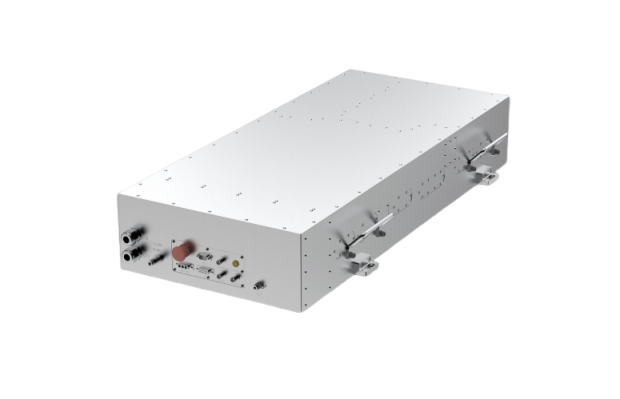
Medical and regulated electronics teams sometimes justify femtosecond by avoided post-process: less dross removal, less scrap from thermal defects, fewer destructive clean-up steps. That justification is valid—when the dataset shows it.
It is not valid when the station already ships without those steps under picosecond, or when the fs delta only buys cosmetic improvement that QA does not score. Run the cost model as $/good part including secondary operations, not as pulse-width prestige.
If your next sample run is already booked, locking HAZ and post-process metrics against the drawing now—before the CapEx committee freezes an all-fs BOM—saves a redesign quarter later.
This is where femtosecond stops being over-specified. Pulse durations shorter than electron–lattice equilibration support near-athermal removal and multiphoton pathways that help on reflective metals and medical-grade polymers when quality walls appear under longer pulses.
Escalate when you see:
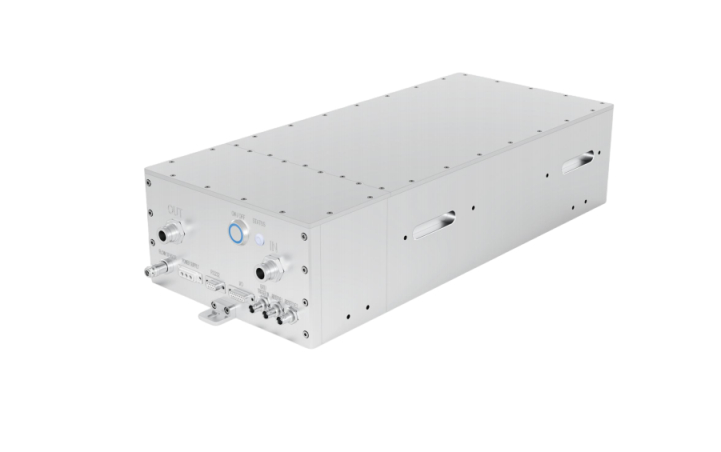
For those stations, an industrial IR femtosecond source is the right tool—not a philosophy. Laserion’s IR femtosecond series is specified at 1030 nm, ≥50 W, 500 fs–10 ps, pulse energy ≥1 mJ, M² ≤1.3, RMS <0.8%—aligned with cold machining and medical/electronics precision forming narratives without claiming a turnkey cell.
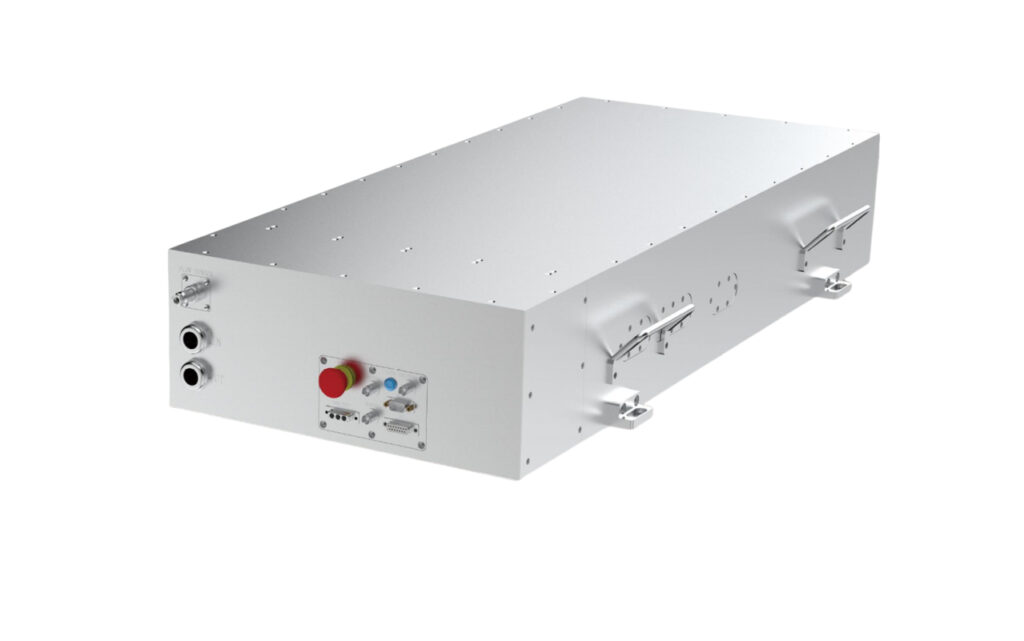
“Integrators lose deals on pulse width before anyone opens the cost-of-ownership sheet. On a dual-lane polymer-and-metal micromachining tool, the shorter-pulse source won the first scorecard—then the customer’s finance gate rejected the tool price because three of five stations never needed that pulse class. We rebuilt the platform around a pure source mix: IR/green picosecond for throughput heads, UV picosecond where polymer absorption and fine features demanded 355 nm, and IR femtosecond reserved as a configurable option—not the default. The hidden cost was not scrap; it was an indefensible CapEx line that delayed PO by a quarter. Once the BOM matched station physics, the same OEM closed on stability (RMS ≤0.8% class), M², and spare-feed—not on ‘how many femtoseconds.’” — Equipment integrator OEM lead, production micromachining tool dual-source BOM review
When is a femtosecond laser over-specified for production micromachining? Whenever it sits on a head that Gate 1 and Gate 2 already cleared. Integrators who sell pure-source-flexible platforms survive finance review; platforms that equate “industrial micromachining” with “all femtosecond” often do not.
Also score what actually holds yield after soak: RMS power stability, M², trigger/PSO behavior, and modular maintenance. A shorter pulse that drifts out of fluence window is still a scrap generator.
“R&D intuition said shorter pulse always means colder cut. Procurement intuition said buy the premium femtosecond once and standardize. The qualification dataset disagreed on both. At the scan speeds and overlaps we needed for takt, a poorly tuned high-overlap femtosecond recipe still showed heat accumulation signatures on metal, while a locked industrial green picosecond process (≥120 W, ~10 ps, Burst Mode) held melt and discolor criteria on the volume mark/trim stations. We wrote a three-gate rule before any brand compare: (1) Does picosecond fail HAZ or crack? (2) Does post-process cost exceed the fs delta? (3) Is the feature scale forcing multiphoton/IR fs cold cut? Only gate failures escalated to IR femtosecond. Femtosecond stopped being a philosophy and became a station exception—exactly when it was not over-specified.” — R&D technical lead with procurement, production micromachining pulse-class standard
Physics reverse worth remembering: femtosecond does not cancel heat accumulation if overlap and duty cycle recreate it. Picosecond is not “hot by definition” if the locked window meets print.
Use this as a qualification shortlist for sources—not a claim that Laserion sells complete micromachining machines. Specs are series-level from Laserion product data.
| Production station / need | When fs is over-spec | Laserion series to qualify | Specs that matter |
|---|---|---|---|
| Volume polymer trim / metal mark-texture | If melt & HAZ pass under ps | Green picosecond | 532 nm; ≥120 W; ~10 ps; M² <1.3; RMS ≤0.8%; Burst Mode |
| Glass / sapphire drill & cut; high-energy IR work | If crack & taper pass under ps | IR picosecond | 1064 nm; >100 W (up to ~300 W class); ≥3.5 mJ; ~10 ps; M² <1.3; RMS ≤0.8%; PSO/GATE/TRIG |
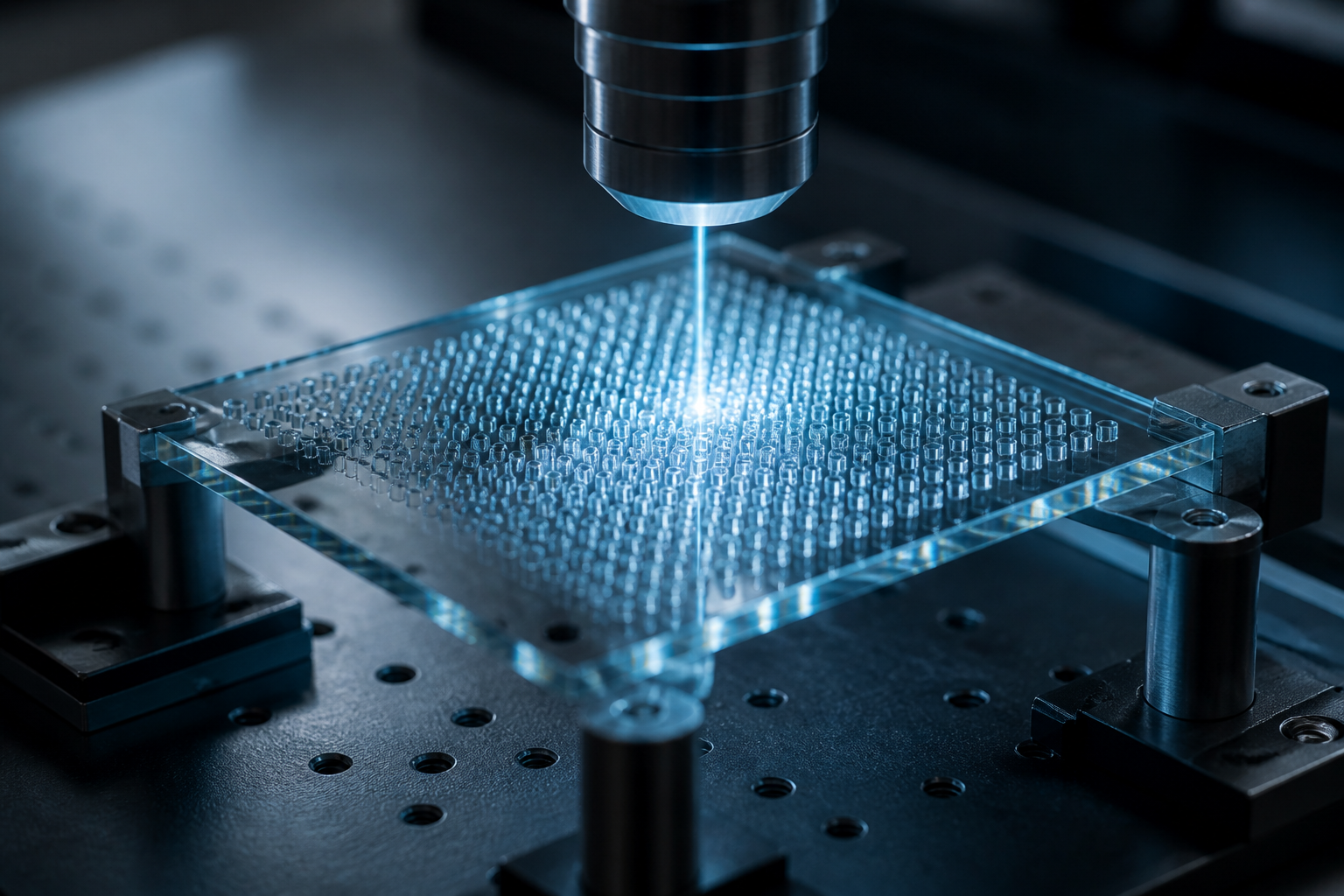
| Fine polymer / glass / semiconductor features needing UV absorption | If 355 nm ps holds window | UV picosecond | 355 nm; ≥40 W; ~10 ps; M² <1.2; RMS ≤1% |
| Cost-sensitive film/mark where ultrafast not required | If thermal budget allows | Green nanosecond | 532 nm; >60 W @ 50 kHz; <30 ns @ 50 kHz; M² <1.2; RMS <1.5% |
| Stent-class cold cut; extreme HAZ / crack limits; true cold ablation | Fs not over-spec here | IR femtosecond | 1030 nm; ≥50 W; 500 fs–10 ps; ≥1 mJ; M² ≤1.3; RMS <0.8% |
| Wrong RFQ metric | Better production metric |
|---|---|
| Shortest pulse on every head | Pulse class that passes Gates 1–3 per station |
| “Fs industrial reliability” as sole justification | Reliability plus need—stable ps may be enough |
| One premium source standardized plant-wide | Dual-feed mix: ps volume + fs exception |
| Demo coupon only | Soak + takt recipe + $/good part with post-process |
If Gates 1 and 2 pass on a station, do not put femtosecond on that head—industrial green or IR picosecond (or green nanosecond where allowed) is the production answer.
If Gate 3 fails—feature scale, crack/burr, tissue integrity, or dissimilar-stack hole quality—escalate that station to IR femtosecond and keep it as a configurable option on the tool, not a plant religion.
If you are an integrator, sell a pure-source-flexible BOM: picosecond throughput heads, UV picosecond where absorption demands it, femtosecond where cold ablation is mandatory. If finance cannot defend the fs line items, you have already answered the title question.
If you are procurement writing a standard, paste the three gates above the brand column. Brand compare only after pulse class is fixed.
Before you freeze the micromachining BOM, confirm per-station HAZ/edge data under the real scan recipe, post-process cost deltas, feature-scale limits, RMS stability after soak, M² at the scan head, Burst Mode or PSO needs, and which heads truly require IR femtosecond versus industrial picosecond. If you’re qualifying an ultrafast source for production or integrating one into OEM micromachining equipment, talking to an applications team directly can surface stability, customization, and delivery details no product listing will tell you.
Talk to our applications team →
Femtosecond earned its place in production micromachining by solving problems picosecond and nanosecond could not. It loses that place the moment it is copied onto every head as insurance. The process engineer who moved volume stations back to picosecond while keeping stent-class work on femtosecond was not lowering the quality bar—they were defining it. A femtosecond laser is over-specified for production micromachining whenever industrial picosecond already holds the process window at takt; it is correctly specified only when HAZ, post-process, or feature-scale gates force true cold ablation—station by station, not slogan by slogan.
When is a femtosecond laser over-specified for production micromachining?
When industrial picosecond or nanosecond already meets HAZ, edge, crack, and post-process criteria at required takt. Over-specification shows up as CapEx and head-count growth without a matching $/good-part gain. Keep femtosecond for stations that fail those gates.
Femtosecond vs picosecond micromachining—how should production teams choose?
Run station-level A/B under the production scan recipe. Choose picosecond when the window holds and average power/stability support takt; choose femtosecond when melt, crack, or feature scale fail under picosecond. Do not choose based on demo pulse-width alone.
Which Laserion source fits stent-class or extreme cold-cut stations?
Laserion’s IR femtosecond series: 1030 nm, ≥50 W, 500 fs–10 ps, ≥1 mJ, M² ≤1.3, RMS <0.8%. Use it where cold machining is mandatory—not as the default for every polymer trim or metal mark head.
Can green picosecond replace femtosecond on volume mark and trim stations?
Often yes, if melt and discolor criteria pass. Laserion’s green picosecond series offers 532 nm, ≥120 W, ~10 ps, Burst Mode, and RMS ≤0.8%. Qualify under your overlap and duty cycle; high-overlap recipes can create heat accumulation even with ultrafast sources.
What about UV picosecond for polymers and fine features?
When absorption and spot size at 355 nm matter more than further pulse shortening, UV picosecond is usually the right escalation before femtosecond. Laserion specifies ≥40 W, ~10 ps, M² <1.2, RMS ≤1%. Escalate to fs only if the UV ps window still fails.
Does Laserion sell complete femtosecond micromachining machines?
No. Laserion is a pure laser source OEM. We supply industrial femtosecond, picosecond, and nanosecond sources for equipment integrators and production tools, and we help map pulse class to stations rather than competing with turnkey cell builders.
Why can femtosecond still show heat effects on a production line?
Because pulse duration is not the only thermal variable. High overlap, high repetition rate, and long dwell can accumulate heat even with ultrashort pulses. A locked picosecond process can outperform a poorly tuned femtosecond recipe on melt criteria—another reason pulse marketing is a weak RFQ primary.
How should procurement write an ultrafast standard without over-specifying?
Require the three gates—picosecond HAZ pass/fail, post-process cost delta, feature-scale cold-ablation need—before any brand or pulse-width compare. Standardize measurement methods and dual-feed spare rules; leave femtosecond as an approved exception list, not a plant-wide mandate.