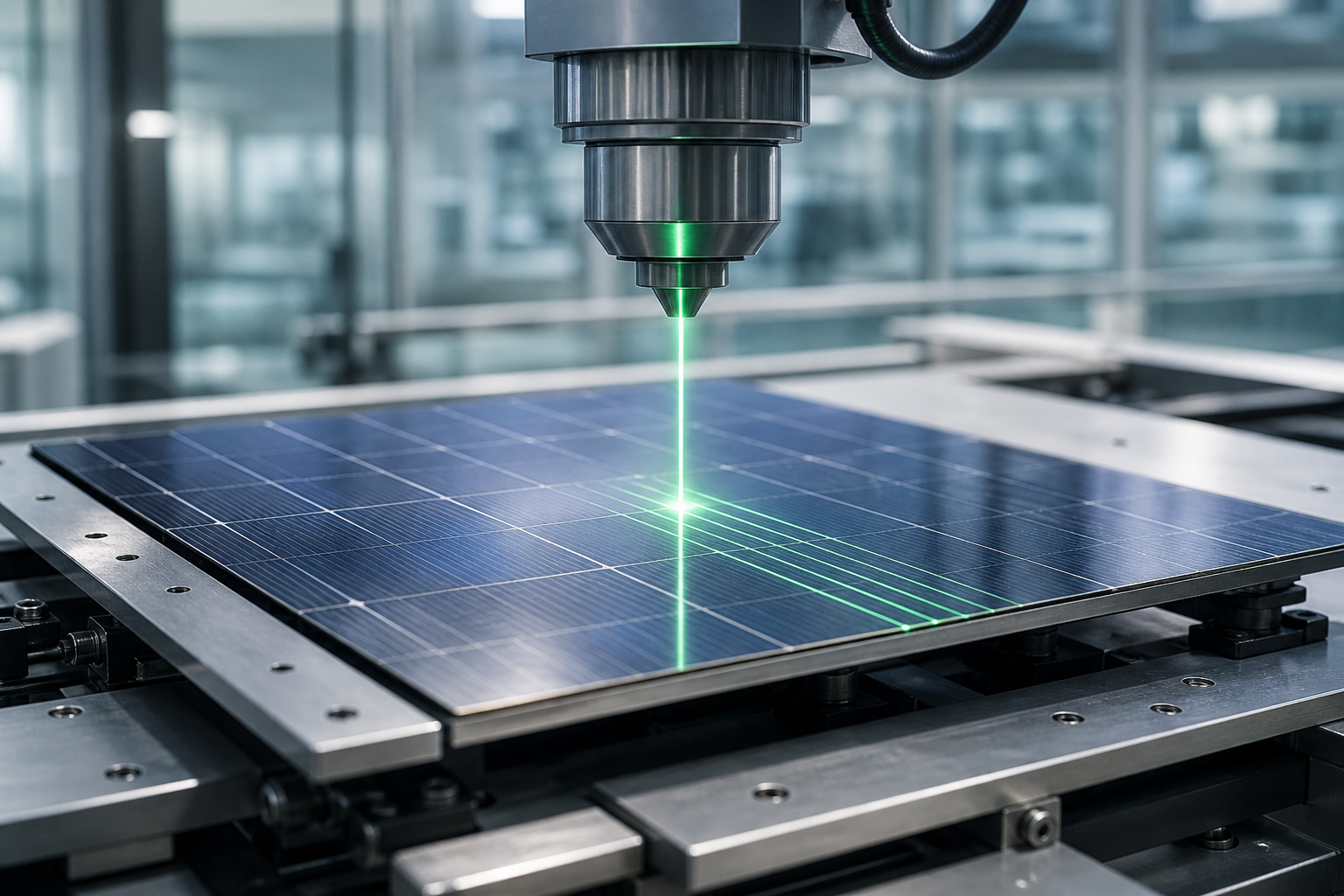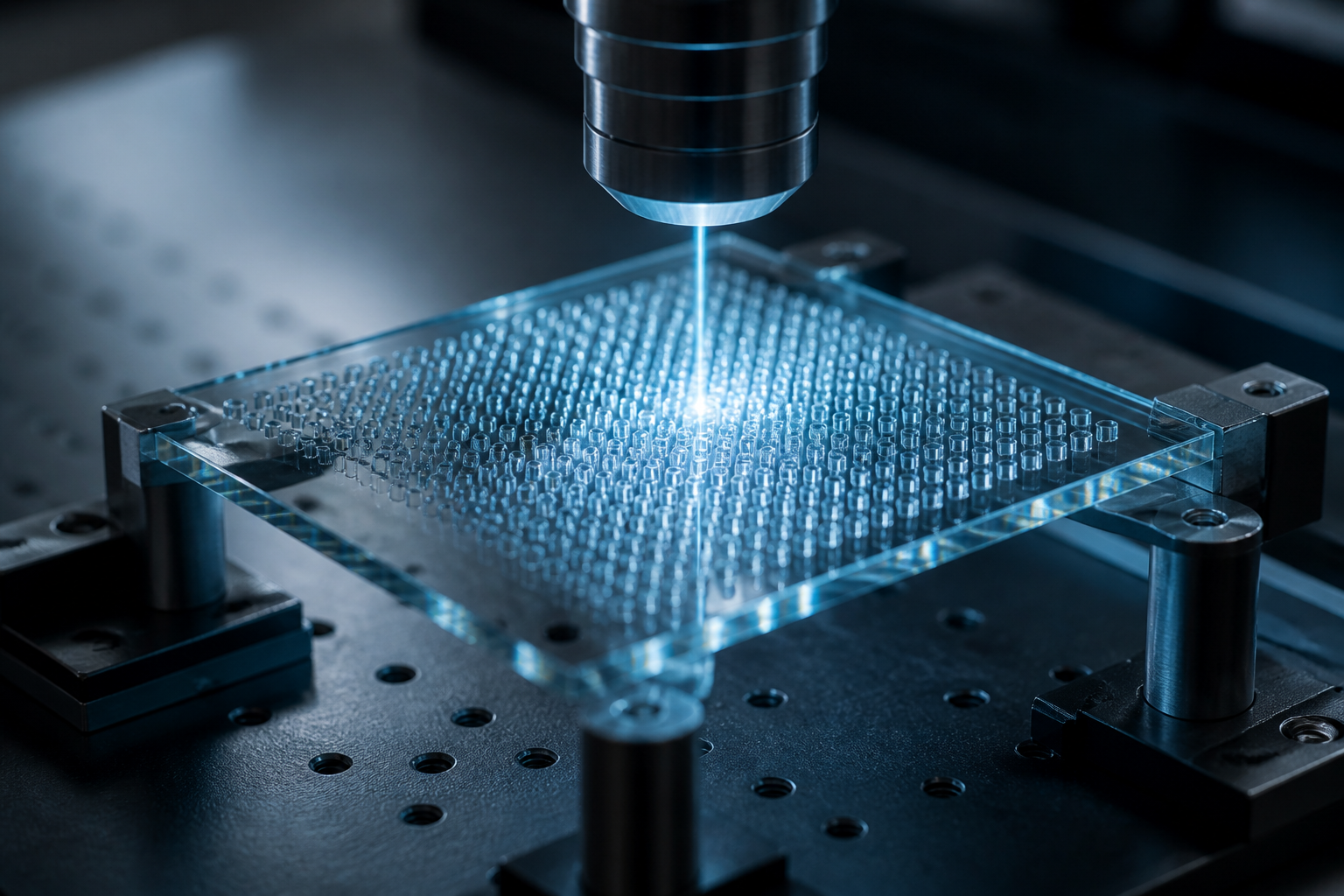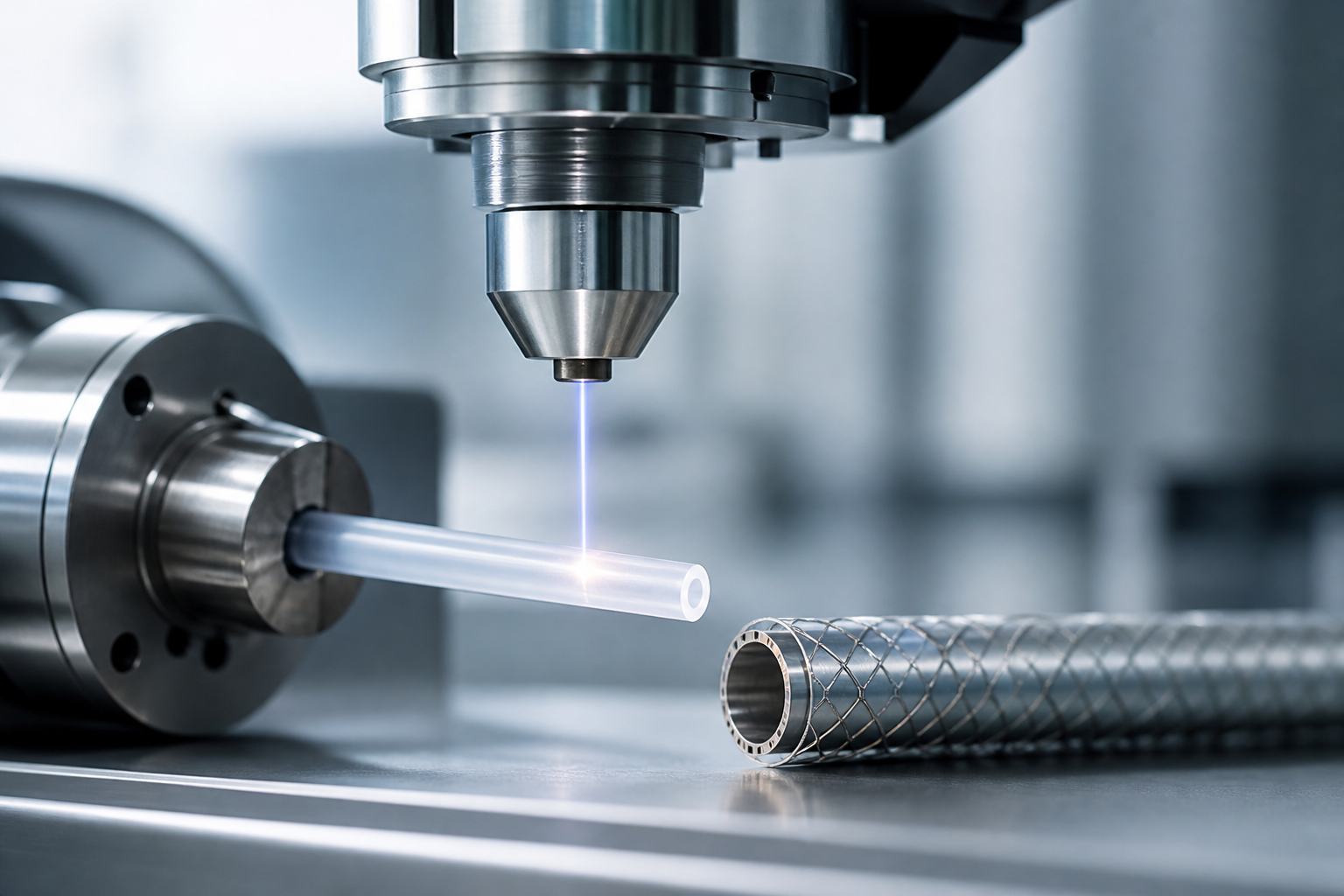
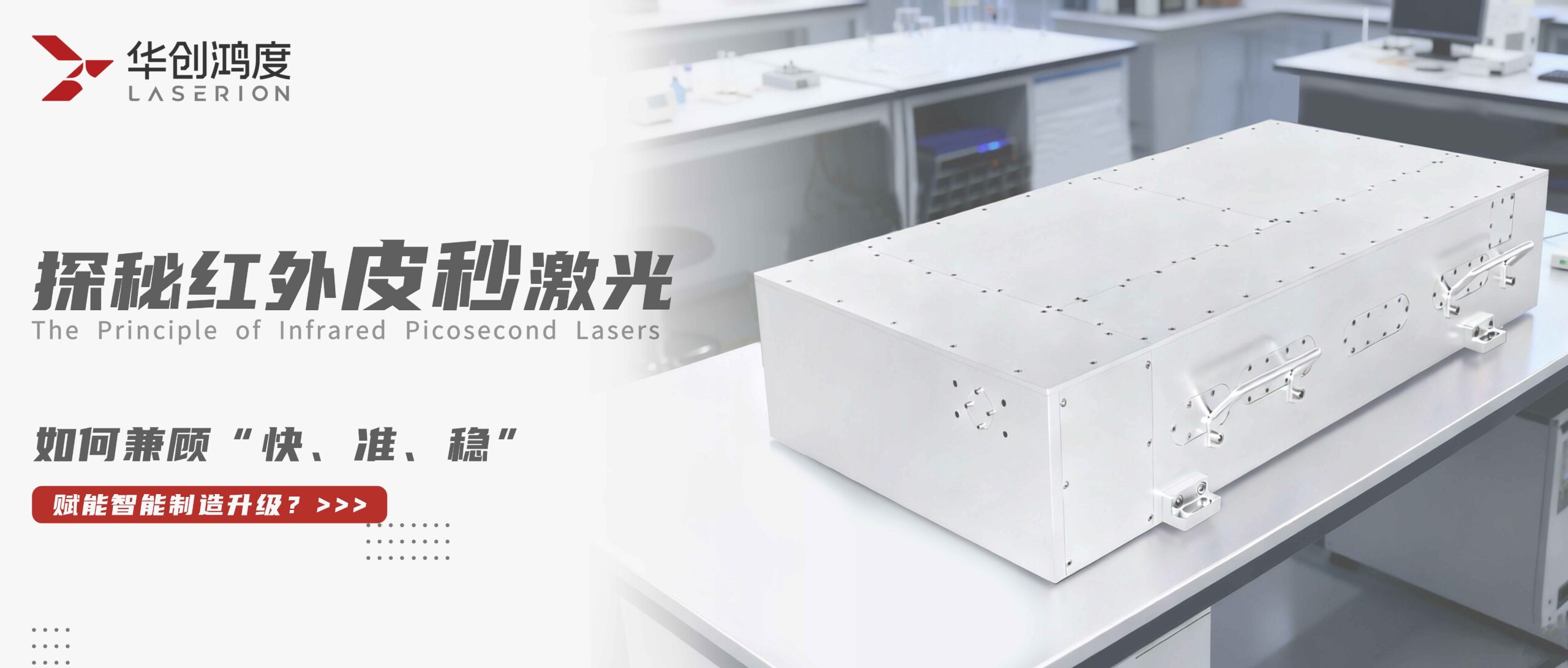
When it comes to picosecond lasers, many people first think of their precise applications in the medical aesthetics field. In high-end manufacturing, such pulses are only one trillionth of a second long, representing ultrafast lasers,It is being used in a nearly heat-damage-free “cold processing” manner to penetrate the interior of brittle materials such as glass and ceramics, achieving high-precision machining that traditional methods cannot attain, thereby becoming a core tool for solving problems like chipping edges and micro-cracks.
So how exactly is this magical “cold processing” achieved? How can it become an indispensable tool in the field of precision manufacturing? This article will explain the three dimensions of principle, performance and typical applications.
As a typical representative of ultrafast lasers, picosecond lasers, with extremely short pulses (1 ps = 10⁻¹² s), suppress thermal diffusion, achieving nearly heat-free “cold processing,” thereby avoiding issues such as melting and microcracks at their source. In terms of wavelength selection, infrared wavelengths (1064 nm) exhibit excellent material adaptability, performing particularly well on transparent and brittle materials such as glass and ceramics. It can be said that infrared picosecond technology is mature and cost-effective, enabling high-quality and high-efficiency precision processing.
With “speed” to suppress heat and “precision” to select materials, infrared picosecond lasers have established an irreplaceable position in the field of precision machining precisely due to this dual characteristic.
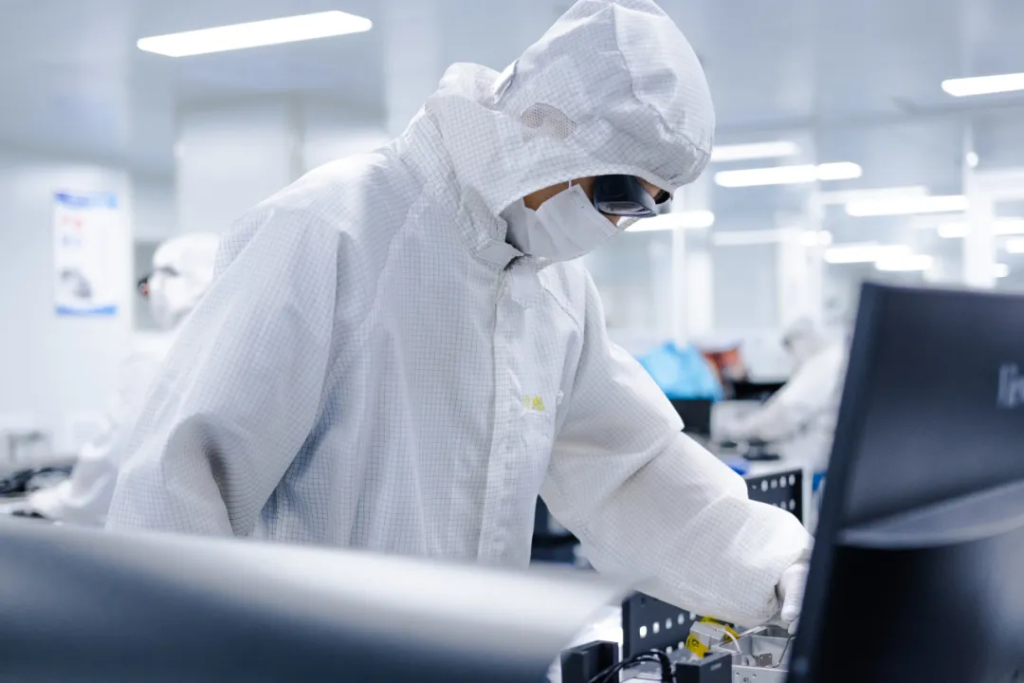
△ During a Test of a Huachuang Hongdu laser
Theoretical advantages are promising, but when applied to industrial use, the performance of the laser itself is the cornerstone determining processing results. The Huachuang Hongdu infrared picosecond laser , precisely through its three core product advantages , transforms “speed” and “precision” into tangible productivity.
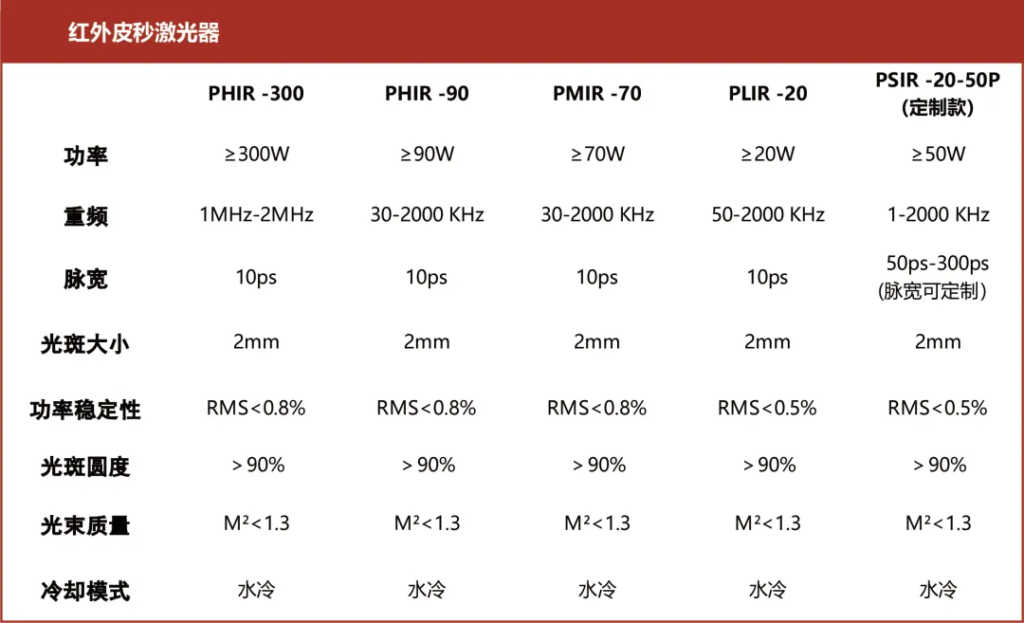
△ General Technical Parameters of Infrared Picosecond Laser (Can be Customized on Demand)
① Higher heavy frequency, faster processing rhythm
△ Huachuang Hongdu infrared Picosecond Laser
At the same pulse energy level, we continuously raise the upper limit of the repetition frequency。 Take the 90W high-energy infrared picosecond laser as an example; its repetition rate covers 30–2000 kHz, Compared to the common 20kHz@60W infrared picosecond solution on the market, it can deliver stronger pulse energy within the same unit time, thereby significantly enhancing processing efficiency—enabling shorter processing times for cutting or drilling operations, which helps address production capacity challenges.
② Better Beams, Stronger Depth Capacity
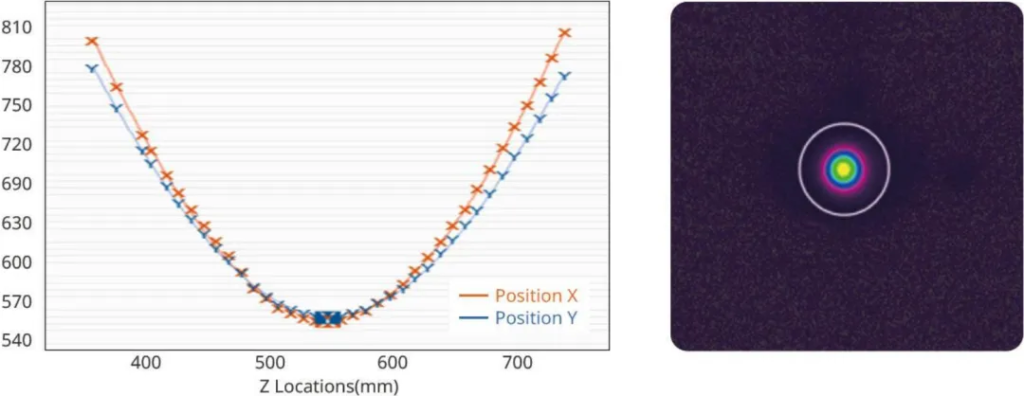
△ Infrared Picosecond High Power Typical Beam Mass (Left) Typical Spot (Right)
The beam quality is the “ruler” for measuring a laser’s processing capability and effect; high-energy infrared picosecond lasers possess superior beam quality with M² < 1.3. This results in an output beam spot that approximates a Gaussian distribution, thereby enabling maximum energy utilization, enhanced processing capability, and higher precision under the Bessel cutting head.
During cutting, it manifests itself as a stronger penetrating capacity and a more straight cutting side; When marking, more fine lines and clearer patterns can be achieved. This ensures that from a micron mark to a centimetre thick plate cutting, the results are equally excellent.
③ High reliability, long-term operation stability
Long-term stability of industrial equipment is the lifeline of production. Our stability stems from a triple underlying design:
△ Infrared Picosecond High Power RMS Power Stability Test Results
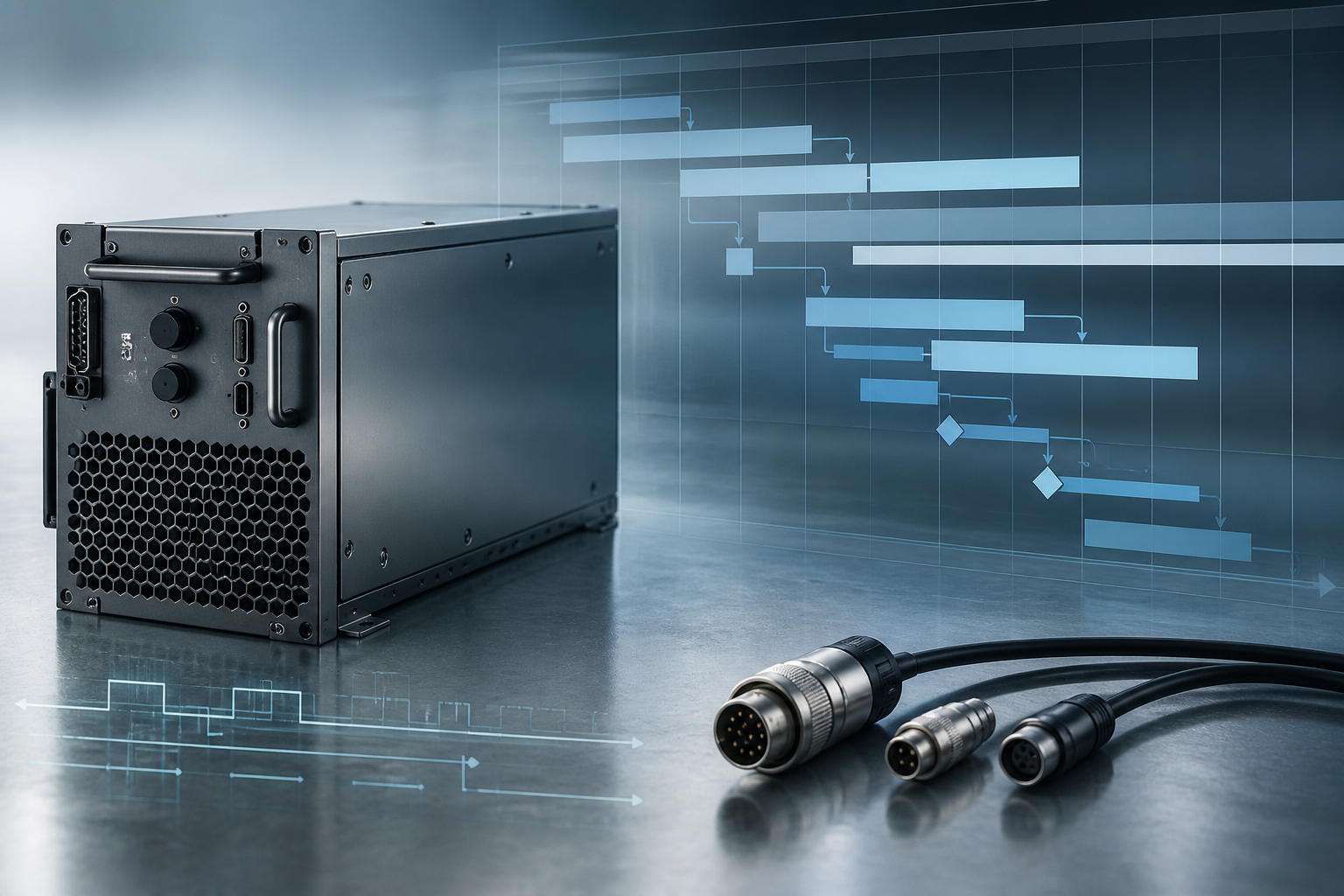
In addition, the modular design and rich industrial interfaces (RS232/GATE/TRIG with PSO functionality) support rapid maintenance
and flexible integration, suitable for various automated production lines.
It is precisely thanks to “higher repetition rate, superior beam quality, and greater reliability” of its robust capabilities that Huachuang Hongdu’s infrared picosecond laser has excelled in numerous high-precision fields。 Next, let us experience its exceptional performance in practical processing through several typical application cases.
Application 1: Cutting of hard and brittle materials
① Full screen / ultra thin glass cutting
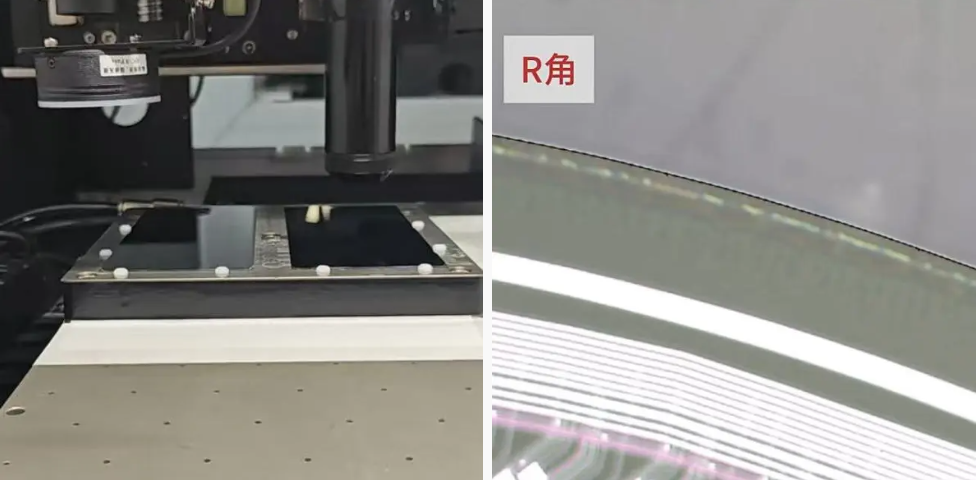
△ Full Screen Cutting (No Collapsed Corners)
Consumer electronics are evolving towards full-screen, curved, and foldable displays, which impose higher requirements on glass cover cutting. Traditional cutting methods often result in “chipping edges” and “corner hanging” on LCD screens, making yield rate a persistent headache .
The advantage of infrared picosecond laser “fast knife” is evident here; it acts on materials with extremely high peak power over a very short time, directly vaporizing the material through the principle of photovaporization, with almost no heat transfer。 Therefore, when cutting ultra-thin glass, it is possible to achieve high verticality, no micro-cracks, and nearly undamaged edge strength with a perfect cross-section, eliminating the need for subsequent complex grinding and strengthening processes, thus truly realizing “cutting as the final effect.”
② Ultra-thick glass cut in one slice
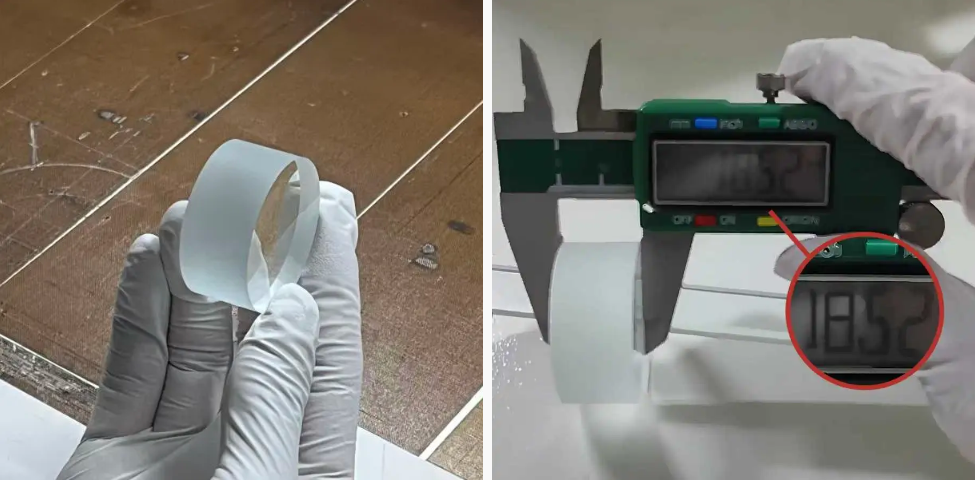
△ 18.5mm Ultra-thick Glass “One-size-fits-all” (Not the Maximum Cutting T hickness)
In the field of special instruments, scientific research equipment or new energy, hard and brittle materials such as glass with thickness of 10-20mm or even thicker often need to be processed. The challenge of this type of thick plate cutting is to ensure that the incision is vertical, the side is smooth and there is no internal damage.
The high-energy infrared picosecond laser, with its high single-pulse energy and excellent beam quality, can effectively concentrate and penetrate thick plates. As illustrated in the legend, glass with a thickness of 18.5 mm or more (excluding the maximum cuttable thickness) can be cut in one pass; the cross-section is steep and straight, with no taper, and the heat-affected zone is negligible. This addresses the challenges of chipping, delamination, and rough cross-sections encountered in thick plate processing using traditional methods, achieving a leap from “being able to cut” to “cutting well.”
Application 2: Precision non-destructive marking
① Precision Marking of Medical Devices
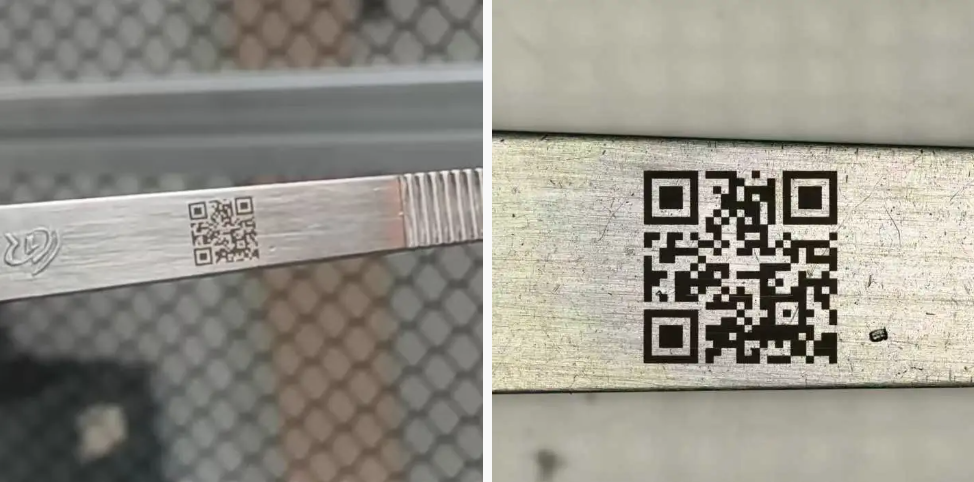
△ Chromium-plated Surgical Knife Marking
The marking of high-end medical devices such as surgical instruments must be done without absolutely damaging the surface corrosion coating (such as chrome plating), introducing any corrosion starting point, and not affecting the mechanical performance of the device.
Infrared picosecond lasers, through precise ablation control, It can only remove an extremely thin layer of material, or induce microstructural changes in the surface layer through cold working, thereby forming permanent, clear, high-contrast markings without damaging the underlying metal. This marking is heat-resistant, sterilizable, and corrosion-resistant, fully meeting the stringent requirements of the medical field regarding traceability and safety.
② Internally carved / blackened glass
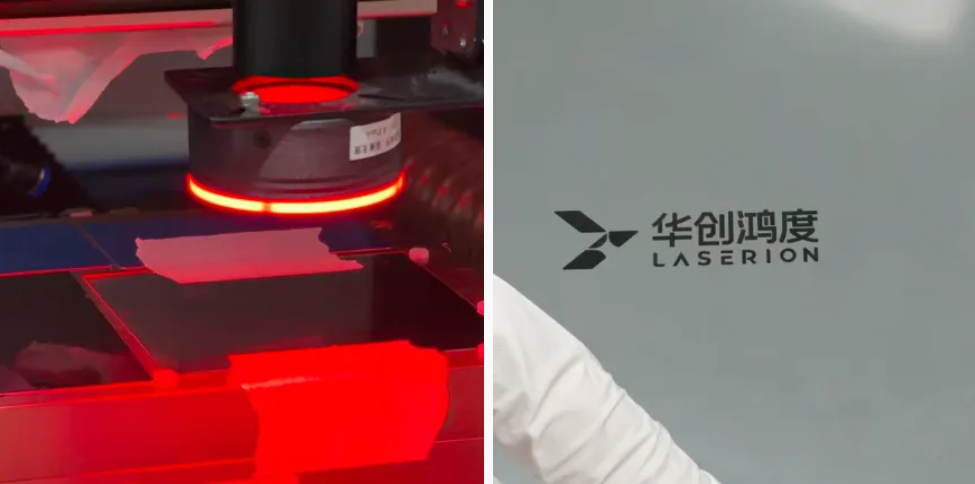
△ The Glass was Black
Marking or sculpting patterns inside glass (engraving), or forming high contrast black marks on the surface of glass (blacksmithing), are common requirements in industries such as gifts, home appliances, and automobiles. The difficulty is how to avoid glass rupture and achieve a stable aesthetic effect.
During infrared picosecond laser processing, energy can be precisely deposited within the glass or at its extremely shallow surface layer. By controlling parameters, micro-explosion points can be generated inside the glass to form scattering patterns, or dense micro-nano structures can be formed on the surface, thereby revealing deep black markings. The entire process causes no macroscopic damage to the glass body, and the markings are clear, firm, exquisite, and long-lasting, with full texture , balancing functionality with artistic quality.
In addition to the aforementioned core applications, infrared picosecond lasers also demonstrate significant potential in fields such as semiconductor wafer slicing, sapphire window processing, ceramic circuit board drilling, and precision micro-machining of polymeric materials. It is continuously penetrating more high-end manufacturing processes with its “versatile” flexible processing capabilities, becoming a key tool for breaking through traditional process boundaries and achieving innovation in micro-nano scale manufacturing.
In the field of high-end manufacturing, the pursuit of processing quality and efficiency has never ceased。Nowadays, “cutting faster, better, and thicker” is becoming the new norm for ultra-precision machining. With exceptional process performance, the Huachuang Hongdu infrared picosecond laser directly addresses various stringent processing requirements, continuously providing customers with stable and efficient solutions to help the industry achieve new breakthroughs.
If you would like to know about the application potential of infrared skin-second lasers in specific materials or processes, you are welcome to contact us at any time!
Phone: 0551-6565 2939
Mobile phone: 199 6505 6259 (Marketing Department)
邮箱: StarLight@laserion.com