Laser Outage Maintenance Guide for Spring Festival Holiday
Author: Laserion Published on: 2026-02-12
During the Spring Festival, prolonged shutdowns of lasers may face risks such as low temperature, high humidity, dust accumulation, and lack of supervision, which can easily lead to issues like moisture ingress into optical lenses, freezing cracks in cooling systems, and corrosion of mechanical structures. This not only affects the resumption of work after the festival but may also increase maintenance costs and shorten equipment lifespan. To ensure equipment stability during shutdowns and rapid resumption of production after the holiday, this maintenance guide has been developed.
This guide addresses the operational and holiday environment characteristics of industrial lasers (including mainstream types such as solid-state and fiber), covering pre-shutdown preparations, Shutdown operations, holiday maintenance and the full process of resuming work after the holidays , clearly define operational standards for each stage, provide scientific and feasible maintenance guidelines for relevant personnel, and help achieve safe shutdowns and efficient resumption of work.
01Preparations Before Downtime
(completed 3 days before the Spring Festival holiday)
(1) Verification of the condition of equipment
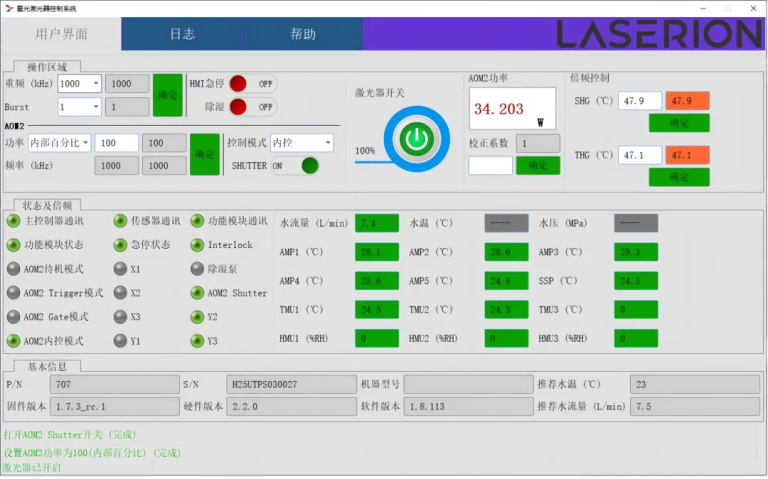
Parameter logging: Log laser operating parameters such as output power, spot quality, and cooling system temperature, and confirm there are no abnormal alarms before proceeding with the shutdown procedure.
△ Laser Operation Parameters
Optical path inspection: inspect the status of external optical path components , such as beam expanders, mirrors, DOE , Check whether the scanning mirror and field lens are dirty, scratched, or loose, and clean or tighten them promptly.
Fault pre-exclusion: If there are minor issues such as abnormal noises or parameter fluctuations, they should be addressed before shutdown to prevent holiday-related failures from escalating.
(2) Preparation of materials and tools
Consumables and spare parts: Ensure that all necessary maintenance consumables are available, such as anhydrous ethanol, lens cleaning paper, lint-free cloths, air blower cans, sealing film, anti-rust oil (for mechanical components), and desiccants.
△ Conservation Consumables (Hydro-free Ethanol and Dust Cloth)
Safety Equipment: Prepare protective gear such as safety goggles, insulated gloves, anti-static wristbands, wrenches, screwdrivers, and other tools to ensure safe operation.
(3) Environmental pretreatment
On-site cleaning: Clear debris around equipment, keep the work area clean and dry, and prevent dust accumulation.
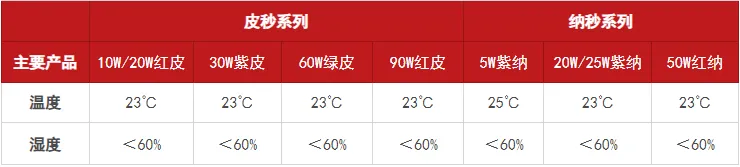
Environmental control: check the temperature and humidity of the server room to ensure the temperature is controlled within 15-25°C and the humidity is ≤60%; If the environment is humid, the dehumidification equipment should be turned on in advance.
02Downtime Operations Process
(Enforcement 1 day before the Spring Festival holidays)
(1) Steps of gradual downtime
To shut down the laser output: click the “Laser Switch” button in the host computer software interface, wait until the laser is fully off (the button turns gray), then keep auxiliary systems such as water cooling running for 5–10 minutes before cutting off the main power supply.
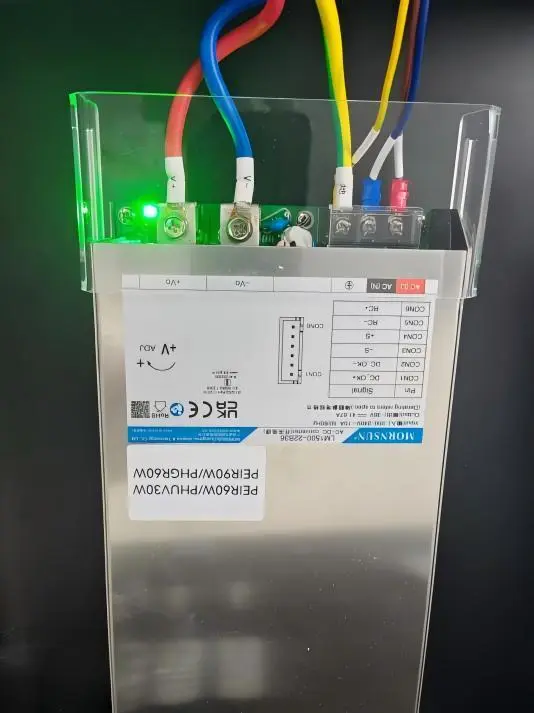
Cut off the load power: ① Turn off the laser power supply; 2 Turn off the refrigeration system switch; 3 Turn off the power supply to the refrigeration system;④ Turn off the main power supply.
Disconnect the main power supply: After confirming that all subsystems have stopped operating, turn off the main device switch and unplug the power cord (recommended for long-term shutdown) to avoid standby power consumption or lightning strike risks.
△ Turn off the Laser Power Supply
(2) Cooling system maintenance
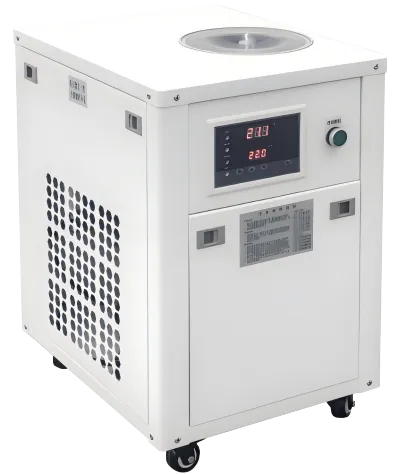
Water-cooled laser: discharge the cooling liquid from the cooling water tank (or add antifreeze; when the ambient temperature is below 0°C, it is recommended to add antifreeze with a ratio of 2:8, i.e., 20% antifreeze + 80% deionized water; When the ambient temperature is below -10°C, the water consumption can be increased up to 30%. Rinse the water tank and piping with deionized water, allow them to dry, and then seal the water tank interface;
Air-cooled laser : Clean the cooling fans and remove dust blockages.
△ A Chiller
(3) Safety and protective measures
Warning signs: Post “Maintenance during Spring Festival shutdown; do not close the circuit” signs at prominent locations on equipment power sources to prevent accidental operation.
Cable organization: Organize equipment cables to avoid pressure and bending, and properly store power plugs.
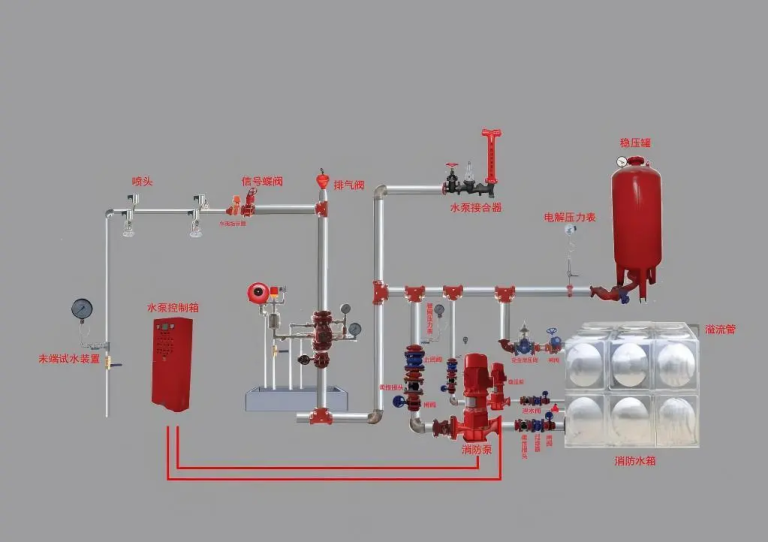
Fire safety confirmation: inspect the fire safety facilities in the server room, confirm that they are in normal operational condition, and ensure there are no safety hazards.
△ Fire Fighting Equipment
03Maintaining During Spring Festival Holidays
(Remote / Regular Patrol)
(1) Environmental monitoring
Regular inspections: Arrange personnel to inspect the server room 1–2 times per week to check whether temperature and humidity meet standards (in winter, avoid temperatures below 5°C to prevent equipment components from freezing and cracking) and to look for any leaks or seepage.
Sealed dust protection: Ensure that the doors and windows of the server room are tightly closed to prevent dust, rodents, and insects from entering the equipment.
(2) Equipment protection
Permission Management: Unauthorized personnel are prohibited from accessing the laser, and it is strictly forbidden to start the machine or disassemble equipment components without authorization.
Extreme weather response: In the event of extreme weather conditions (such as cold waves or heavy rain), increase the frequency of inspections and promptly address any environmental anomalies.
04Resumption of Work Inspection and Start-up Process
(Deal with it before returning to work after the holiday)
(1) Preparations before returning to work
Environmental restoration: remove the sealing film and protective cover from the equipment surface, clean the surrounding environment of the equipment, and ensure there are no debris or dust.
Visual inspection: inspect the equipment’s appearance to confirm that no parts are loose or damaged;The cable connection is normal
(2) Step-by-step machine inspection
Cooling system startup: First, check the water chiller and ambient humidity, adjust the water chiller temperature (according to equipment requirements), inspect the cooling system piping for leaks, initiate the cooling circulation, and confirm that the water temperature stabilizes within the normal range (typically 20–25°C).
Power Restoration: Connect the power plug, turn on the main power, and observe whether the device’s power indicator light functions normally without any abnormal alarms.
(3) Equipment debugging and trial operation
No-load test: Start the control system for no-load operation and check whether the laser and moving parts operate smoothly without abnormal noises.
Parameter calibration : Test the laser output power and spot quality, compare them with the parameters recorded before shutdown, and ensure that the deviations are within the allowable range; If the parameters are abnormal, adjust them promptly or contact after-sales service for repair.
Load verification: Select a small number of trial workpieces, conduct actual machining tests to verify whether the laser processing accuracy and stability are normal, and only after confirming no issues should normal production resume.
AppendixNote
Start the water chiller first: Before resuming operation and turning on the laser, it is essential to ensure that the water chiller has been running stably for 5–10 minutes in advance, allowing the cooling water circuit to circulate fully and remove residual heat from the pipes. Only then should the laser be turned on to avoid thermal shock damaging the equipment.
Strictly adhere to regulations: maintenance operations must strictly follow the equipment manual requirements, and no unauthorized disassembly of resonant cavities, pump sources, or other core components is permitted。 In case of complex failures, please contact the manufacturer’s after-sales service promptly.
Safe storage: consumables such as anhydrous ethanol and anti-rust oil should be stored properly, away from fire sources and laser operation areas, to prevent safety accidents.
Record-keeping: All maintenance, inspections, and startup operations shall be documented in writing to facilitate subsequent tracking of equipment status.