Proper switchgear operation and standard daily maintenance are the basis for ensuring the long-term stable operation of lasers and maximizing performance. Not only can improper operation easily damage core components such as pump source, crystals, optical lenses and power modules, but it can also cause serious safety risks such as laser radiation, electric shock and even fire.
To this end, this paper will systematically describe the standard switching process for solid lasers, key maintenance points and necessary safety precautions. It is designed to help operators and technical researchers to fully master standard operating methods, effectively improve the efficiency and service life of equipment, and ensure the safety of personnel and equipment.
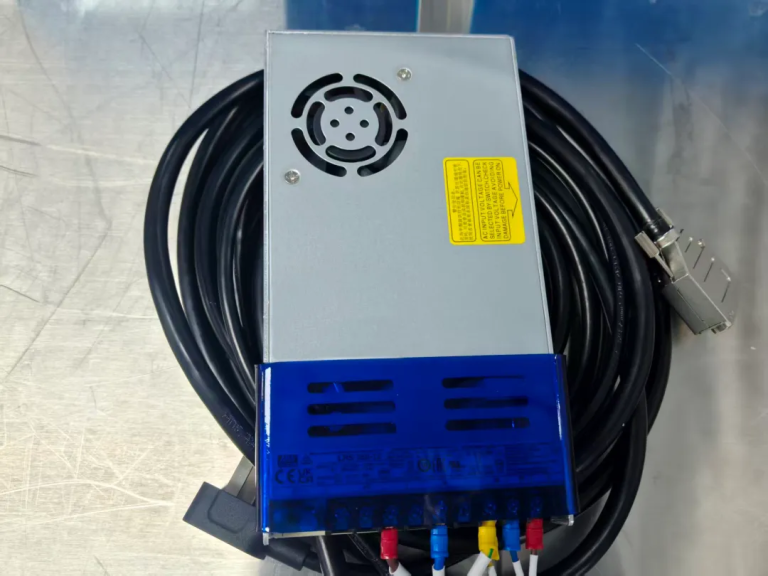
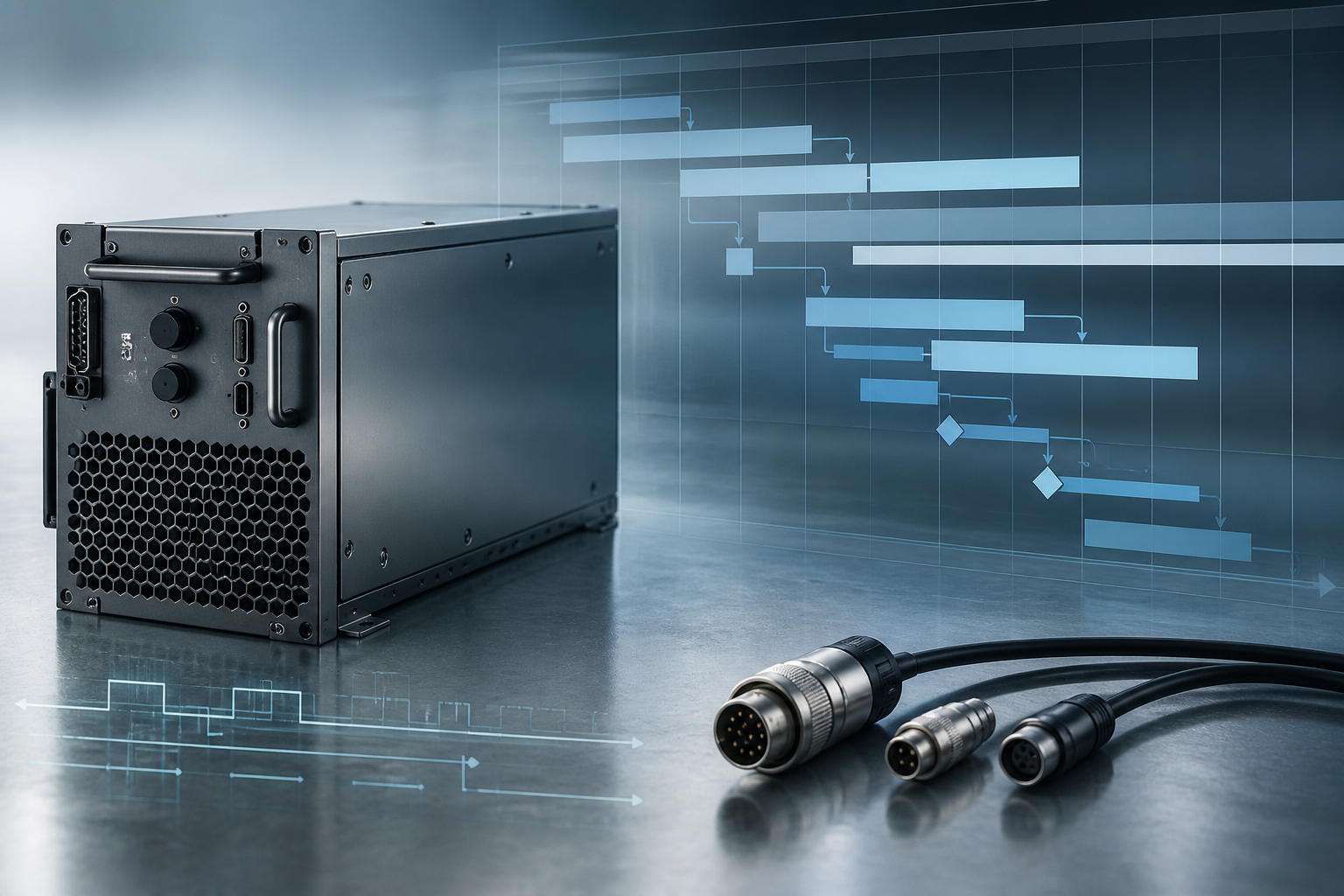
△ Femtosecond / Picosecond and Nanosecond Lasers are Equipped with Power
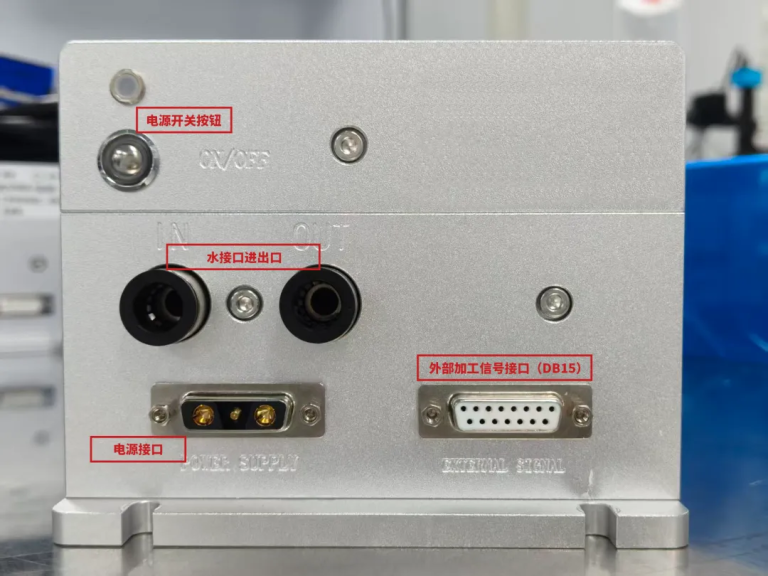
△ Annotation Diagram of Nanosecond Laser Interface
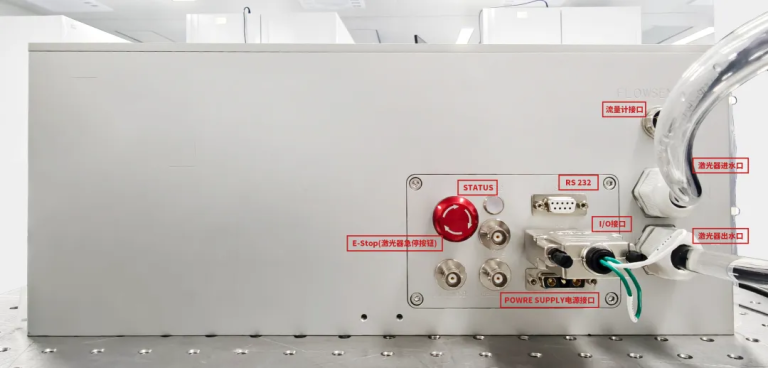
△ Pictogram of Picosecond Laser Interface and Button Annotation
In the process of operation, solid lasers will produce high-energy laser beams, which are accompanied by high-voltage electricity, high temperature, strong light reflection and other risks. In order to ensure the personal safety of operators and the stability of equipment, the following safety protection requirements must be strictly followed:
Laser radiation is the most important safety risk of solid masher, and protective measures should be implemented according to the laser level (usually solid masher is Class 4, a high danger laser).
①Personal protective equipment (PPE)
②Optical road safety control
③Warning signs set up
(2) Electrical Safety Protection
Solid-state lasers are equipped with high-voltage power supplies and high-power pump sources, posing electrical risks such as electric shock and short circuits.
①Grounding and Insulation Inspections
②Operating specification requirements
③Emergency Management
Inter-operational environmental requirements
Credentials and management of personnel
Emergency Rescue Preparation
The correct procedure for switching on and off a solid-state laser is crucial for ensuring equipment longevity and preventing damage to optical/electronic components; it must be strictly followed “cool down before pumping when starting up, and pump before cooling down when shutting down” as the core principle.
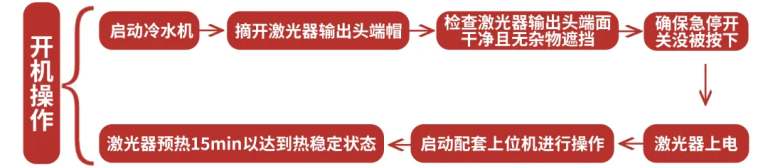
△ Turn on / off the Machine
Note:After the laser is connected to water and power, it requires preheating (e.g., for 15 minutes) to reach thermal stability, ensuring the stability of the output laser power/energy during use.
The solid laser auxiliary system (cooling, venting, etc.) needs to be started before the mainframe to ensure heat dissipation and safety.
①Start the cooling system
②Start other assistive systems
Turn on the interoperating exhaust system, and if laser processing is involved, turn on the dust removal and smoke removal device to prevent the accumulation of harmful gases.
③Set operational parameters
In the control system interface, input and output power, pulse frequency, pulse wideness, working mode and other preset operation parameters; Once you have confirmed that the parameter is set correctly, click “Save the parameter” to ensure that the parameter remains locked and to prevent the manipulation of the parameter.
④Laser output operation
Clicking the “Laser Enabling” button of the control system, the laser enters the output state and slowly increases the output power (each increase is ≤ 10% of the rated power), while monitoring with a power meter whether the actual output power is consistent with the set value.After the power is stabilized, the laser output mode and the shape of the spot are confirmed to meet the requirements before they can be officially put into use.
The operating process needs to be followed in a step-by-step manner. The core principle is to disconnect the pump source, release the energy storage / high pressure, cool the system and stop the operation to avoid equipment failure due to thermal shock, high pressure residue or optical damage.
①Step-by-step shutdown of operations (core steps)
②Reverse the power supply in order
When you turn off the power supply, you must operate in the following order:
If the laser is down for a long period of time (more than 24 hours), you need to:
Regulating the switchgear operation of lasers is a fundamental prerequisite for ensuring the stable operation of equipment, the safe conduct of experiments and the health protection of personnel. From environmental inspection, parameter reconciliation, to each step of operation and condition monitoring in the switchgear, it needs to be rigorous and meticulous, and cannot be neglected.
As high-energy precision equipment, the operational standardization of lasers is directly linked to both the lifespan of the device and personnel safety。 Only by firmly establishing safety awareness and strictly adhering to operational procedures can equipment failures and laser injury risks be effectively avoided. All operators must prioritize safety and standardization, starting with standardized operations to ensure that every laser operation is completed efficiently and safely, thereby building a solid safety barrier for research and production work.
①Laser safety marking
The side label of the laser indicates technical parameters such as the output wavelength, power and pulse width of the laser, and a hazard warning sign is affixed to the front. The triangular label indicates the direction of the laser emission, and the bared window displays the laser hazard warning, as follows:
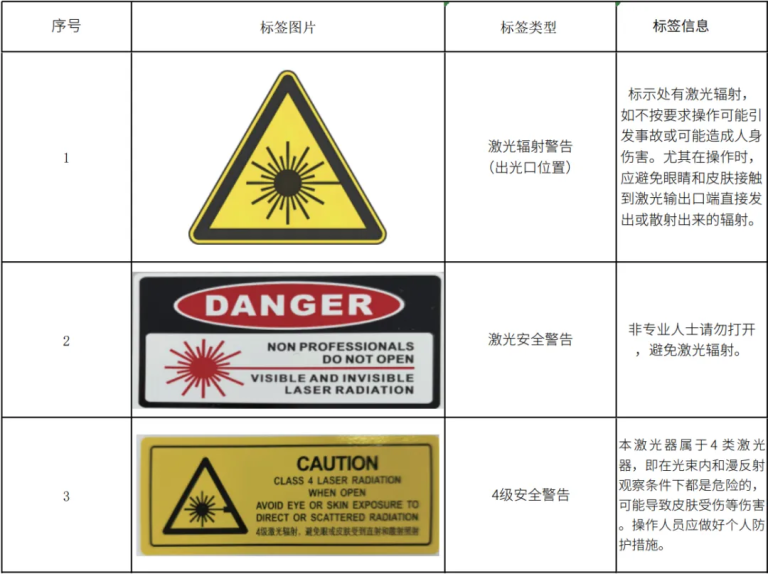
△ List of Hazard Warning Signs
② Laser Safety Levels
All lasers in the Huachuang Hongdu series belong to Class IV。 Class Lasers (greater than 500)mw), According to the Chinese standard GB 7247.1-2012, it is also classified as Category 4. Necessary precautions must be taken to prevent the output beam or reflected beam from being directly exposed to the human body, as both scattered light and reflected light can cause severe damage to the skin and eyes; therefore, operators should always wear appropriate protective eyewear during operation.
Safety Requirements for operating lasers with a radiation strength rating of 4:
③ Electrical Safety Instructions
The power supply voltage for the laser equipment is single-phase AC 220V; it is essential to ensure that the live wire, neutral wire, and ground wire are connected correctly according to their labels. Note: Different models of power supplies should not be mixed, or it may cause damage to the device.