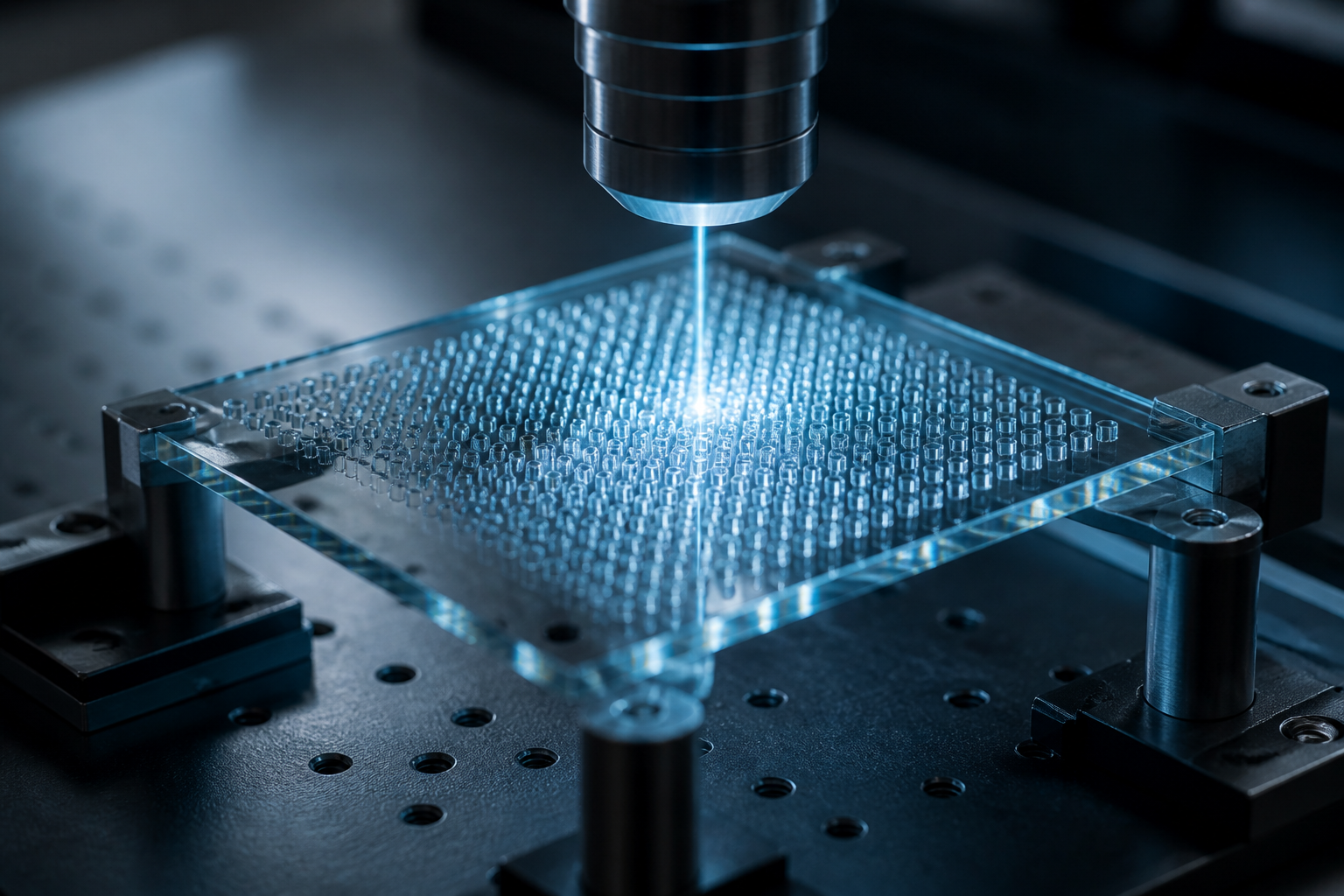

“Cold laser processing” is one of the most useful terms in ultrafast machining and one of the most misleading. The name suggests a gentle, low-energy beam, which is the opposite of what is happening at the point where the laser meets the material. Misread that, and you set up the process wrong from the start.
“The name ‘cold processing’ tricked half my team. They pictured a gentle, low-energy beam — the opposite of what’s happening. At the focal point, the material reaches thousands of degrees and turns to plasma; it’s violently hot for a few picoseconds. ‘Cold’ doesn’t describe the beam or the spot — it describes everything around it, which never gets the chance to heat up because the hot material is already gone. Once we stopped reading ‘cold’ as ‘gentle’ and started reading it as ‘the heat leaves with the material,’ our parameter choices finally made sense.” — application engineer, ultrafast process development
That reframing is the key to understanding cold laser processing. It is not a cool beam — it is a process where the heat leaves with the ablated material before it can spread into the part. This article explains why the name misleads, how athermal ablation actually works, what “no thermal damage” really means in practice, and what the approach makes possible.
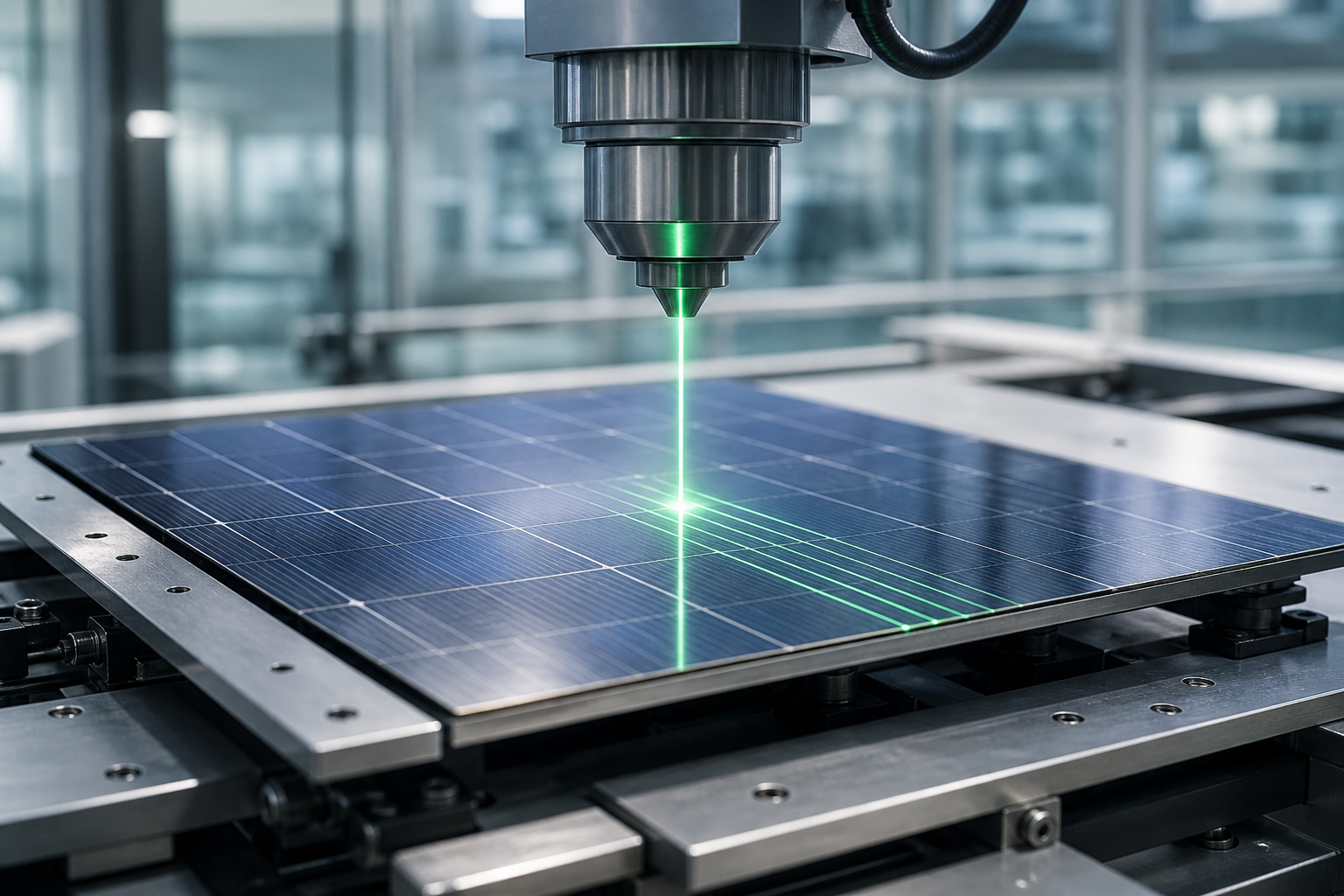
Cold laser processing, also called athermal ablation, removes material with ultrashort pulses that vaporize it before heat can diffuse into the surrounding material. The focal point itself reaches extreme temperatures, but because the pulse is shorter than the time heat takes to spread, the ablated material carries the energy away — leaving the surrounding part cool. “Cold” describes the result for the surrounding material, not the beam. It prevents recast layers, micro-cracks, and heat-affected zones.
Cold processing is the reason ultrafast lasers can do things conventional lasers cannot, so the term shows up on every datasheet and in every sales conversation. That popularity is also its problem: “cold” gets used as a buzzword, and engineers either over-trust it or misread what it means. Both lead to the wrong process.
Read “cold” as “gentle” and you under-power the process, expecting a soft touch from something that is actually depositing intense energy in a controlled way. Read “no thermal damage” as a blanket guarantee and you skip the step of defining which damage your part actually suffers. The term is precise once you understand it, and vague once you don’t.
Across ultrafast process work, the engineers who use cold processing well are the ones who understand the mechanism behind the name. The sections below take the term apart — why it misleads, the physics that makes it real, the specific defects it prevents, and the materials it opens up.
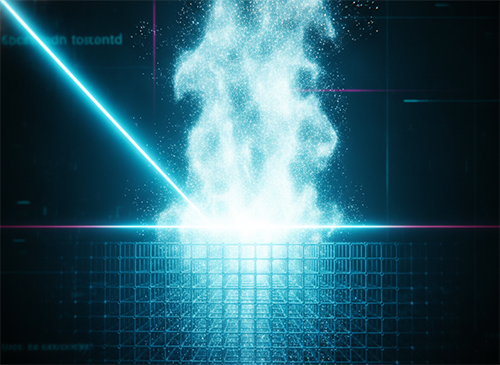
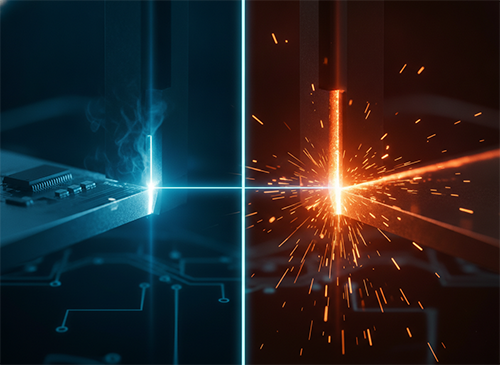
Start with the temperature, because that is where the confusion lives. At the focal point, the material absorbs enough energy in a few picoseconds to reach thousands of degrees and turn to plasma. There is nothing cool about it. If you put a thermometer at the spot, it would read extreme heat.
So why call it cold? Because of what happens to everything around that spot. In a conventional thermal process, the heat at the cut flows outward into the surrounding material the whole time the pulse is on, leaving a melted, stressed, altered zone. In cold processing, the pulse ends and the hot material is ejected before that heat has time to spread. The energy leaves with the debris. The surrounding material — the part you are keeping — never heats up.
“Cold” describes the part, not the process. The spot is hot; the neighborhood stays cool. Once you read the term that way, the whole approach stops being mysterious and starts being a question of getting the energy out before it spreads.

The mechanism comes down to a race between two timescales. When a laser pulse hits a material, its energy is first absorbed by the electrons, which then hand that energy to the material’s lattice — the structure that, once heated, melts and conducts heat outward. That transfer, called electron-phonon coupling, takes roughly 1 to 10 picoseconds in metals.
An ultrashort pulse — femtoseconds to about 10 picoseconds — delivers all its energy before the lattice has finished heating. The material is ionized and ejected as vapor or plasma, carrying the absorbed energy out with it, before that energy can diffuse into the surrounding solid. That is athermal ablation: removal that happens faster than heat can spread. A longer, nanosecond pulse loses this race — it keeps depositing energy while the lattice heats and conducts, which is why it melts and leaves a thermal zone.
So cold processing is not about using less energy. It is about timing: getting the energy in and the material out faster than heat can move. The intensity is high; the heat just never gets the chance to travel.
Here is where a vague claim becomes a specific, useful one.
“A vendor sold us on ‘no heat damage,’ and I almost signed off on that phrase alone. The engineer in me asked: which damage? Heat shows up three ways — a recast layer, micro-cracks, and a heat-affected zone — and our part only cared about one of them. Cold processing prevents all three because the heat never spreads, but ‘no thermal damage’ is too vague to spec against. Once we named the specific failure our part suffered, we could actually verify the process delivered it.” — quality engineer, precision manufacturing
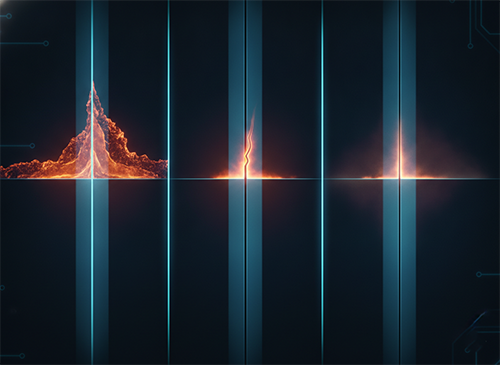
Thermal damage is not one thing. It shows up as a recast layer — material that melted and resolidified along the cut; as micro-cracks — fractures seeded by thermal stress, especially in brittle materials; and as a heat-affected zone — a band of material whose properties changed under heat without being removed. Cold processing prevents all three, because each one needs heat to spread and cold processing never lets it.
But “no thermal damage” is too broad to qualify a process against. Name the specific defect your part suffers — the recast that fails your metallization, the micro-crack that lowers your die strength, the heat-affected zone that shifts your device — and you can actually measure whether the process delivers. “Cold” is real, but it earns its value when you translate it into the exact failure you are trying to avoid.
| Thermal defect | What it is | Prevented by cold processing because |
|---|---|---|
| Recast layer | Melted and resolidified material | Material is vaporized, not melted |
| Micro-cracks | Fractures from thermal stress | Little heat, so little stress |
| Heat-affected zone | Altered band around the cut | Heat never spreads into it |
The table is the precise version of the brochure phrase: three specific defects, each avoided because the heat does not spread.
“I thought cold processing was about making a cleaner version of cuts we already made. The bigger realization was what it let us process at all. Materials we’d written off as ‘can’t laser that’ — heat-sensitive films, brittle ceramics, transparent glass — became workable, not because the cut was prettier, but because the heat that used to destroy them on contact was never deposited. Cold processing didn’t upgrade our existing jobs as much as it opened a list of materials we’d assumed were off-limits. The value wasn’t a better cut. It was a wider menu.” — R&D engineer, advanced materials processing
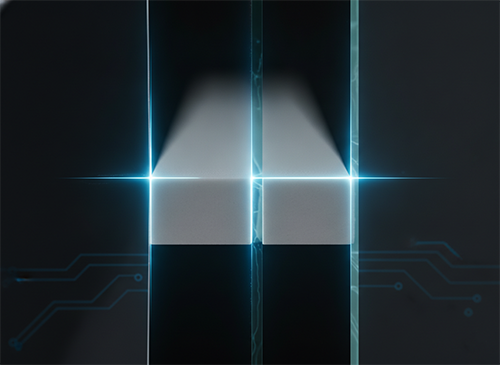
The most overlooked thing about cold processing is that its biggest payoff is not a cleaner version of what you already do — it is access to materials that thermal processing destroys. Heat-sensitive films and devices that a thermal cut would damage become workable because the heat is never deposited. Brittle ceramics and glass that crack under thermal stress can be cut because the stress never builds. Transparent materials that pass infrared light can be processed through nonlinear absorption that only ultrashort pulses reach.
In each case, the gain is not a marginally better edge — it is a material moving from “can’t laser that” to “routine.” When you evaluate cold processing, the right question is often not “how much cleaner will my current cut be,” but “what can I now make that I couldn’t before.”
Cold processing is the right answer when your material cannot take heat — when a recast layer, a micro-crack, or a heat-affected zone would fail the part. Heat-sensitive devices, brittle ceramics and glass, thin films, and anything where edge quality is the spec all point to athermal ablation.
It is the wrong answer when your material tolerates heat. On robust metals at loose tolerance, where a melt rim is cosmetic, cold processing is slower and costlier than a thermal laser that does the job fine. Athermal ablation is a specialized capability, not a universal upgrade. Match it to materials that need it, and it is unmatched; apply it where heat was never a problem, and you pay for precision the part does not use.
A few things decide more than the “cold” label: which specific thermal defect your part can’t tolerate, whether your material is heat-sensitive, brittle, or transparent, and whether a thermal process would actually be cheaper for the job. Each shifts whether cold processing is essential or excessive.
Those details are hard to settle from a datasheet. If you are weighing cold processing for a material, talking to an application engineer who has run it can surface trade-offs no product listing will tell you.
The team that read “cold” as “gentle” learned the term the hard way: the spot is among the hottest places in the shop for a few picoseconds, and that is exactly why the rest of the part stays cool. That is the quiet truth of cold laser processing — it is not a soft beam but a fast one, removing material before heat can spread. Understand the mechanism behind the name, name the defect you are avoiding, and “cold” stops being a buzzword and becomes the most precise tool you have for the materials that heat would ruin.
What is cold laser processing? Cold laser processing, or athermal ablation, removes material with ultrashort pulses that vaporize it before heat can spread into the surrounding part. The focal point is extremely hot, but the heat leaves with the ejected material, so the surrounding material stays cool — preventing recast layers, micro-cracks, and heat-affected zones.
What does athermal ablation mean? Athermal ablation means material removal that happens faster than heat can diffuse into the surrounding solid. The ultrashort pulse ionizes and ejects material before the energy transfers into the lattice and spreads, so the process avoids the melting and thermal damage of a conventional, thermal laser cut.
Is the laser actually cold in cold processing? No. The beam and the focal point are not cold — the material at the spot reaches thousands of degrees and becomes plasma. “Cold” describes the surrounding material, which stays cool because the heat is carried away with the ablated material before it can spread.
How does cold laser processing avoid heat damage? By timing. The pulse delivers its energy and ejects the material before that energy transfers into the lattice, a process that takes a few picoseconds. Because the heat leaves with the debris rather than spreading into the part, the surrounding material is not melted, cracked, or thermally altered.
What materials benefit from cold processing? Heat-sensitive films and devices, brittle ceramics and glass, and transparent materials benefit most. These are materials that thermal processing damages — through melting, cracking, or heat spread — but that cold processing can handle because the heat is never deposited into the surrounding material.
Is cold laser processing better than thermal processing? Not universally — it is better for materials that cannot take heat. For robust metals at loose tolerances where a melt rim is acceptable, a thermal laser is faster and cheaper. Cold processing is a specialized capability for heat-sensitive, brittle, and precision work, not a blanket upgrade.
What is the difference between cold and thermal laser processing? Thermal processing melts and vaporizes material while heat spreads into the surrounding part, leaving a recast layer and heat-affected zone. Cold processing uses ultrashort pulses to eject material before heat spreads, so the surrounding material stays cool and free of thermal damage. The difference is pulse duration relative to heat diffusion.
Does cold processing eliminate the heat-affected zone? It reduces the heat-affected zone to near zero when applied correctly, because the heat never spreads into the surrounding material. The result depends on holding the right parameters — a process pushed too fast or hot can reintroduce heat — so a minimal heat-affected zone is engineered, not automatic.